
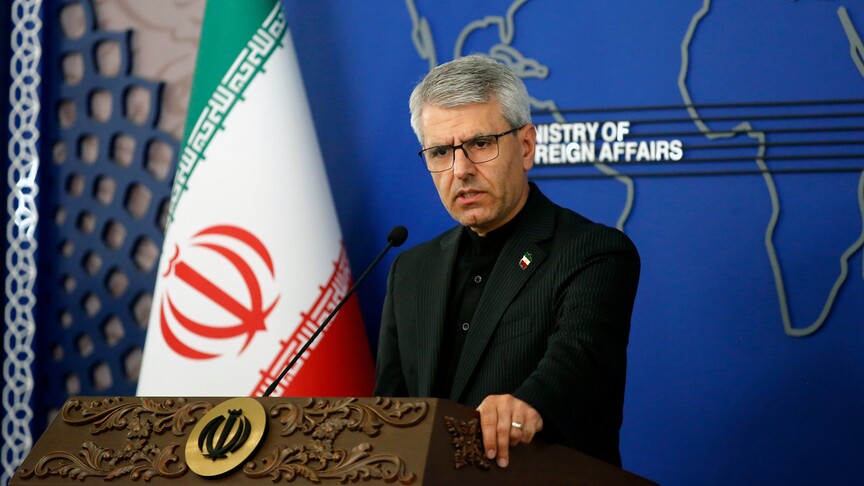
The dynamic relationship between Iran and the recent tensions in Saudi Arabia and Yemen has sparked significant dialogue. Recently, a Foreign Ministry representative from Iran firmly dismissed claims that their country has any connection to the ongoing upheavals in the Arabian Peninsula. This statement comes amid a backdrop of escalating regional conflicts and highlights the complexities of Middle Eastern geopolitics.
Iran’s Stance on Regional Conflicts
The Iranian Foreign Ministry’s spokesperson emphasized that any attempts to implicate Iran in the recent developments concerning Saudi Arabia and Yemen are unfounded. This response reflects Iran’s strategy of distancing itself from regional conflicts, particularly in light of heightened scrutiny over its influence in neighboring countries. By categorically denying involvement, Iran aims to reinforce its narrative of non-aggression and sovereignty, positioning itself as a stable force amid regional chaos.
The Broader Implications for Middle Eastern Politics
The assertion from Iranian officials comes at a critical time when the Middle East is experiencing a significant shift in power dynamics. The tensions between Saudi Arabia and Yemen have deep historical roots, often fueled by external influences and internal strife. Iran’s rejection of any linkage to these conflicts suggests a broader objective: to secure its own interests while steering clear of blame for the actions of other nations. This approach allows Iran to navigate complex alliances and rivalries, particularly with Saudi Arabia, a key player in the region.
Saudi Arabia’s Response
In contrast, Saudi Arabia remains vigilant about Iran’s regional maneuvers, often viewing them as challenging to its own national security. The Kingdom’s leadership is acutely aware of the potential repercussions of a strengthened Iranian influence, particularly regarding its own role in Yemen and other neighboring states. Saudi Arabia has historically accused Iran of supporting groups that oppose its interests, particularly the Houthis, who have been at the forefront of the conflict in Yemen. The tension between these two nations is emblematic of a larger struggle for dominance in the Middle East.
The Need for Diplomatic Engagement
Given the complexity of these relations, it becomes increasingly vital for involved parties to engage in dialogue. Open channels of communication can help de-escalate tensions and foster a climate of cooperation, potentially leading to a more stable regional environment. Diplomatic efforts may be the key to addressing misunderstandings and mitigating conflicts, allowing nations to focus on shared interests such as economic stability and humanitarian concerns. As the situation evolves, the international community should prioritize initiatives that promote reconciliation over confrontation.
In summary, the recent comments from Iran’s Foreign Ministry underline the intricate web of relationships and conflicts in the Middle East. By categorically disassociating from recent events in Saudi Arabia and Yemen, Iran suggests a strategic distancing that may serve its long-term geopolitical objectives. As nations navigate these challenges, the importance of diplomacy and constructive dialogue cannot be overstated—especially in an era marked by widespread uncertainty and unrest.