
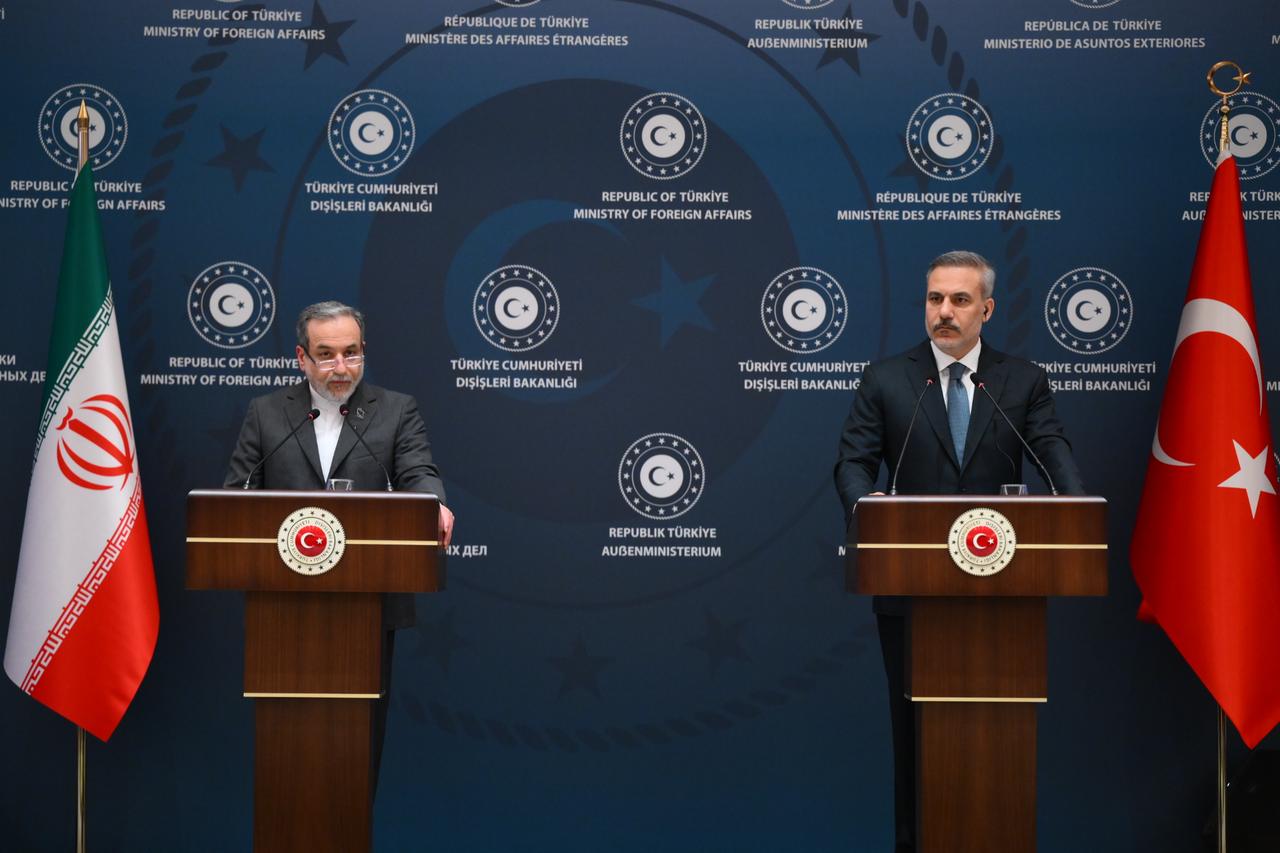
Iranian officials affirmed the strength of their bilateral ties with Türkiye amidst rising U.S. sanctions pressure. This statement comes as concerns grow regarding Türkiye’s capacity to continue importing Iranian natural gas under the current geopolitical climate.
Iran’s Commitment to Strong Bilateral Relations
Esmail Baghaei, a spokesperson for the Iranian Foreign Ministry, emphasized that relations between Iran and Türkiye remain robust. He dismissed attempts by various media outlets to create an atmosphere of tension regarding these interactions. Responding to inquiries about the potential impact of U.S. sanctions on Turkish payments for Iranian gas, Baghaei confirmed ongoing discussions related to this matter. He noted that many of the narratives surrounding these relationships seem tailored to foster discord.
Baghaei highlighted that while the U.S. actively seeks to enforce its sanctions—aiming to pressure Iran’s trading partners—Iran continues to maintain solid ties, particularly with neighboring countries like Türkiye. He stated, “I do not claim that the United States is not trying to enforce its unjust sanctions,” acknowledging the complexities introduced by external pressures.
Media Influence and Economic Implications
The spokesperson also pointed out a conspicuous media campaign aimed at amplifying the perceived efficacy of the U.S. economic strategies against Iran. “We are witnessing a broad media campaign to multiply the effectiveness of their economic war,” he said. This assertion underscores the Iranian government’s concern over possible misinformation that could exacerbate already tense economic circumstances.
Baghaei reassured that Iran is committed to evolving its diplomatic strategies to counteract these pressures. “Our relations with neighboring countries are good, particularly with Türkiye, and we will certainly use all diplomatic tools and consultations to prevent the realization of America’s actions,” he stated. This reveals Tehran’s intention to uphold its economic partnerships even in the face of sanctions.
Depth of Iran-Türkiye Communications
On the diplomatic front, Baghaei addressed the active communication between Iranian Foreign Minister Abbas Araghchi and his Turkish counterpart Hakan Fidan. He clarified that their interactions extend beyond mere message exchanges with Washington, indicating a deeper, more substantive relationship. “With Türkiye, as two neighbors and two partners, we certainly have much more important work than merely being concerned with transmitting and exchanging messages,” he elaborated.
The Iranian Foreign Ministry portrayed ongoing discussions as integral to addressing mutual interests and challenges, particularly concerning regional stability. Baghaei asserted that both nations share significant viewpoints on pressing issues such as regional security and geopolitical challenges posed by other nations, notably regarding the policies of the Israeli regime.
Future Interactions and Shared Goals
Communication between the foreign ministers is continuous, allowing both nations to navigate complex regional issues collaboratively. Recent discussions reportedly included strategic matters such as the Strait of Hormuz and efforts aimed at resolving conflicts in the area. This level of engagement signals a commitment from both sides to fortify their partnership, irrespective of external pressures.
As U.S. sanctions continue to loom, the Iranian government appears resolute in preserving its economic and diplomatic relations with Türkiye, positioning itself to withstand external pressures through collective efforts aimed at long-term stability in the region. By actively engaging in dialogue, Iran and Türkiye are not only solidifying their own bilateral ties but also developing a united front against external challenges.