
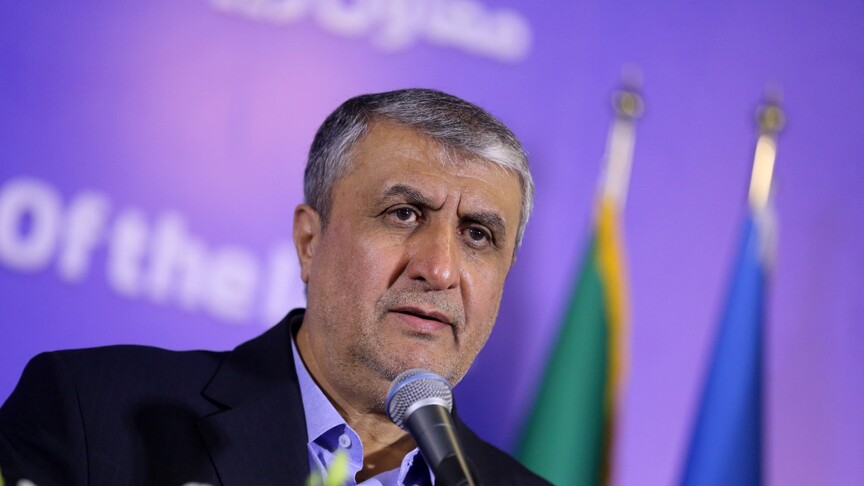
On September 14, 2026, Austria made headlines by denying a visa to Iran’s nuclear chief, Mohammad Eslami. This decision effectively barred him from attending an important conference hosted by the International Atomic Energy Agency (IAEA) in Vienna. This incident raises significant questions regarding international diplomacy and the implications of geopolitical tensions.
Austria’s Decision: A Diplomatic Setback
According to reports from the Iranian state broadcaster IRIB, Eslami, who leads the Atomic Energy Organization of Iran, was scheduled to travel to Vienna with a delegation on Saturday. However, following the visa refusal, he and his team returned to Tehran. The event highlights Austria’s position amidst increasing scrutiny over nuclear issues and international relations, particularly concerning Iran’s nuclear program.
Iran’s Response to Visa Denial
Iran’s Foreign Ministry reacted promptly, with spokesperson Esmail Baqaei labeling the visa denial as “absolutely unjustified.” Tehran’s strong response included a formal protest against Austria’s decision and an official summoning of the Austrian charge d’affaires. This move signifies Iran’s commitment to addressing perceived injustices in international diplomatic procedures, particularly when concerning matters of national security and global cooperation.
US Influence and International Obligations
Baqaei emphasized that external pressures, especially from the United States, should not obstruct host countries from fulfilling their international obligations. This statement underscores Tehran’s belief that political dynamics, particularly involving the US, can unduly influence host nations and hinder open dialogue on critical issues. The IAEA conference aims to foster discussion on nuclear regulations and safety, making attendance essential for contributing to international peace and safety.
The Broader Implications
The refusal of a visa to a high-ranking official like Eslami could set a concerning precedent for future diplomatic engagements. As tensions in the Middle East continue to evolve, incidents like these may complicate efforts to negotiate peace and stability. The denial also raises alarms about the barriers to dialogue, as international conferences serve as vital platforms for addressing not only nuclear concerns but also broader regional security issues. In this context, the need for constructive communication among nations remains crucial for global peace.
As the situation unfolds, the international community will undoubtedly scrutinize both Austria’s rationale for denying the visa and Iran’s subsequent response. The ability of nations to collaborate on shared challenges will likely be tested further, particularly related to Iran’s nuclear ambitions and the broader efforts to maintain security in a volatile region. The incident highlights the intricate balance between national sovereignty, international law, and the necessity of diplomatic dialogue.