
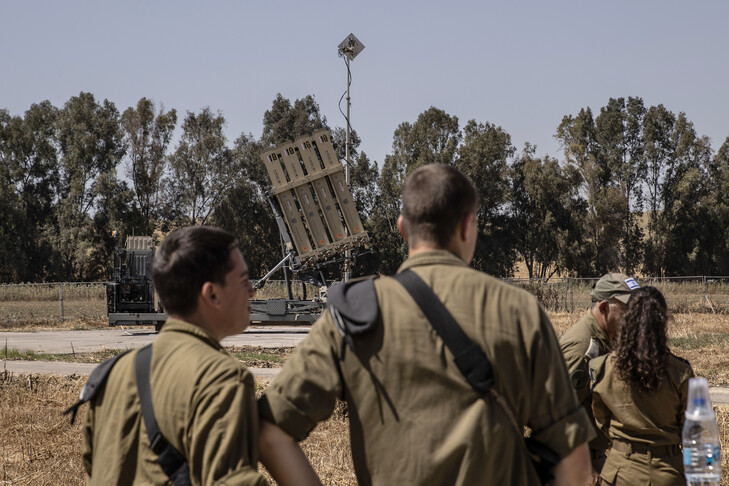
A significant budget disagreement between Israel’s defense and finance ministries has resulted in the suspension of interceptor missile purchases for the nation’s air defense systems, as reported by various Israeli news outlets.
Details of the Budget Dispute
Israeli Channel 13 disclosed that the core of the disagreement revolves around a sum of 15 billion shekels (approximately $4.92 billion). The military has claimed that this amount should have been allocated to its budget to enhance operational readiness. However, the Finance Ministry countered, asserting that this funding is not essential for immediate military requirements but is intended to offset previous debts that were accrued without proper authorization. This fundamental difference in perspectives highlights the complexities involved in military funding and budgetary allocation within the Israeli government.
Military Budget Overview
Initially, Israel’s military budget for 2026 was set at 143 billion shekels, equivalent to around $47 billion. However, in response to recent conflicts involving Iranian and Lebanese forces, Prime Minister Benjamin Netanyahu mandated an increase to 183 billion shekels, or around $60 billion. This decision underscores the urgent need for enhanced defense capabilities in light of regional tensions. Furthermore, the first installment of the disputed 15 billion shekels was expected in August; however, it has yet to be disbursed, contributing to the ongoing crisis.
Impact on Military Operations
The implications of this funding crisis are already being felt within military operations across Gaza, the occupied West Bank, and Lebanon. Reports indicate that the lack of funds is leading to significant shortages in spare parts and other critical supplies, thereby hampering operational effectiveness. Military Chief of Staff Eyal Zamir addressed the issue in late August, acknowledging that the armed forces are currently facing a “campaign” for sufficient financing, which further complicates Israel’s defense posture.
Conclusion
The ongoing budgetary disagreements between Israel’s defense and finance sectors pose challenges not only to military flexibility but also to national security. As tensions in the region continue to evolve, the importance of a well-funded and operationally ready military remains paramount for Israel’s defense strategy. The resolution of this financial deadlock is crucial for ensuring that the Israeli military can respond adequately to threats and maintain its defensive capabilities.