
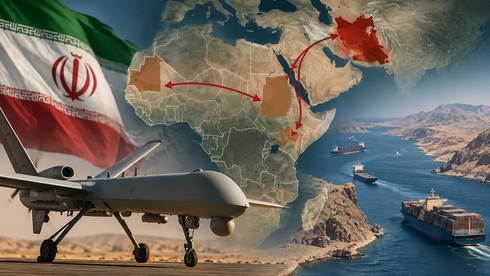
On September 14, 2026, the government of Mauritania summoned Iran’s ambassador, Javad Abu Ali Akbar, in Nouakchott, marking a notable diplomatic incident. The event drew little attention in Israel, where domestic political issues and regional conflicts often overshadow international developments. However, this incident is significant, as it reflects Mauritania’s readiness to assert its sovereignty against perceived foreign interference.
Understanding the Diplomatic Tensions
The Mauritanian government publicly reprimanded the Iranian ambassador for actions deemed inconsistent with diplomatic norms. The issue arose after the ambassador visited a rural area in Trarza, leading to the detention of three locals. While the specifics of Iranian activities in Mauritania remain unclear, this formal warning indicates a decisive stance by the Mauritanian government towards foreign diplomats. It underscores Mauritania’s desire to maintain control over its national territory, an important message, especially within the geopolitical context of North Africa and the Sahel.
The Broadening Scope of Iranian Influence
For decades, Israel’s national security strategy has predominantly focused on its immediate geographic borders, particularly the threats posed by Iranian forces in the Levant and surrounding regions. However, this perspective is narrowing, as Iran has increasingly engaged with conflicts beyond its traditional territories. The situation in Sudan highlights Iran’s ability to influence fragile states, exploiting local chaos for strategic gains. The ongoing conflict in Sudan has seen the use of Iranian military equipment, including drones, which strengthens Tehran’s foothold in the region and illustrates how conflicts can create interdependencies across North Africa and beyond.
Implications for Israeli Security
The repercussions of Iranian expansion in Africa are significant for Israeli national security. A stable Iranian presence in Sudan could revitalize smuggling routes, previously used to transport arms into Gaza and the West Bank, enhancing the operational capabilities of hostile groups. Additionally, an increased Iranian intelligence and military presence in North Africa raises the risk to Israeli diplomats and businesses across the continent. This situation complicates Israel’s existing relationships within the framework of the Abraham Accords, particularly with countries like Morocco and Sudan, which were part of the normalization process.
Proactive Measures for Israel
While the future of Iranian influence remains uncertain, Israel must take proactive steps to secure its interests in Africa. A three-pronged strategy is essential: First, Israel should bolster its intelligence and maritime surveillance to monitor illicit activities in the Red Sea and neighboring regions. Second, deeper collaboration with African nations resisting foreign subversion can provide actionable intelligence and defense technologies. Finally, Israel should align its strategies with Western and regional partners to uphold maritime security and navigation freedoms.
The recent developments in Mauritania and Sudan illustrate a shifting security landscape that could have serious implications for both Israeli and regional stability. Iran’s strategic maneuvers necessitate comprehensive monitoring and a collaborative approach among affected nations to ensure long-term security and governance.