
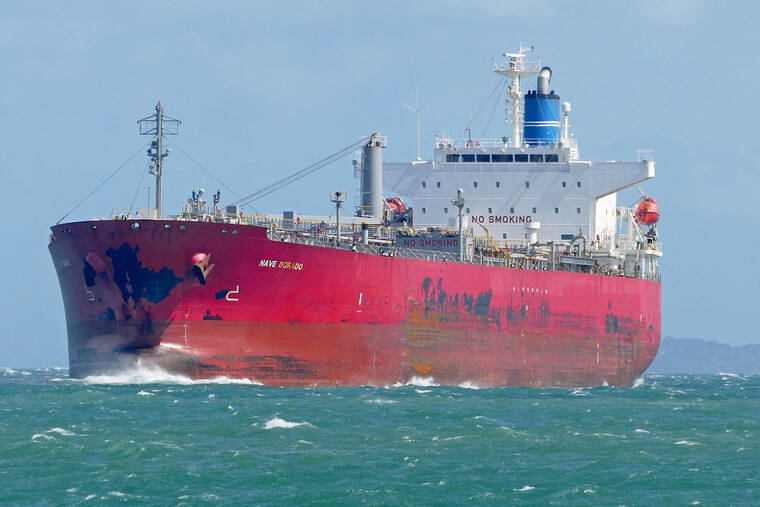
In recent developments, the conflict in Yemen has escalated significantly, particularly as Houthi forces, aligned with Iran, consolidate their power in the region. This resurgence has not only intensified fighting but has also placed global oil supplies at further risk. The broader implications of this conflict are becoming increasingly apparent, especially for countries dependent on oil exports.
Escalation of Hostilities in Yemen
Yemen’s ongoing struggle has taken a perilous turn as the Houthis launch aggressive offensives, capturing various strategic positions along the Red Sea coast. Reports indicate that the Houthis are now in control of key islands, which enhances their capability to threaten shipping lanes, particularly in the Bab el-Mandeb Strait. Simultaneously, Saudi Arabian air forces have responded with increased military operations, claiming to have conducted numerous airstrikes targeting Houthi positions. The emergence of battlefield footage capturing these developments highlights the severity of the situation.
Despite claims from Houthi military representatives regarding the downing of a Saudi F-15 fighter jet, concrete evidence has yet to surface. This ongoing exchange of hostile actions has resulted in a heightened state of alert, with areas in southern Saudi Arabia experiencing danger from missile attacks launched by Houthi forces. Amid this turmoil, the Riyadh administration is tightening travel restrictions for its citizens near the Yemeni border, signaling the escalating threat posed by the conflict.
Global Oil Supply at Risk
The reintensification of fighting in Yemen poses a significant risk to the already fragile global oil market. Global oil prices are reaching new heights, with Brent crude fluctuating around $108 per barrel—a situation exacerbated by ongoing conflicts in the region. The heightened military activity, particularly around the East-West Pipeline, raises concerns that a protracted closure could potentially cut off approximately 4% of the world’s oil supply.
The geopolitical ramifications further complicate the issue. US officials have expressed concerns over the potential for a more extensive crisis, particularly as Saudi Arabia seeks military support from the United States in light of recent escalations. As the conflict progresses, many fear that the ongoing aggression could spiral further, hampering oil exports and driving up prices globally.
Challenges for US and International Partners
The rise in tensions presents a complex challenge for the United States and its allies. Amidst these developments, President Trump faces a dilemma: whether to ramp up military support for Saudi Arabia or to maintain a cautious stance to avoid further complicating an already delicate situation. Previous military interventions have had mixed outcomes, and the current strategy seems to lean towards providing intelligence support rather than direct military involvement.
As Saudi Arabia has led military efforts against the Houthis since 2015, the approaching winter months could find the United States reconsidering its approach in the face of rising energy prices and global market instability. The stakes continue to rise, emphasizing the urgent need for diplomatic resolutions in favor of a more stable geopolitical landscape.
The trajectory of the Yemen conflict is alarming, not only for the immediate nations involved but also for the global community. Continued instability could amplify existing economic challenges and have lasting implications for energy security worldwide.