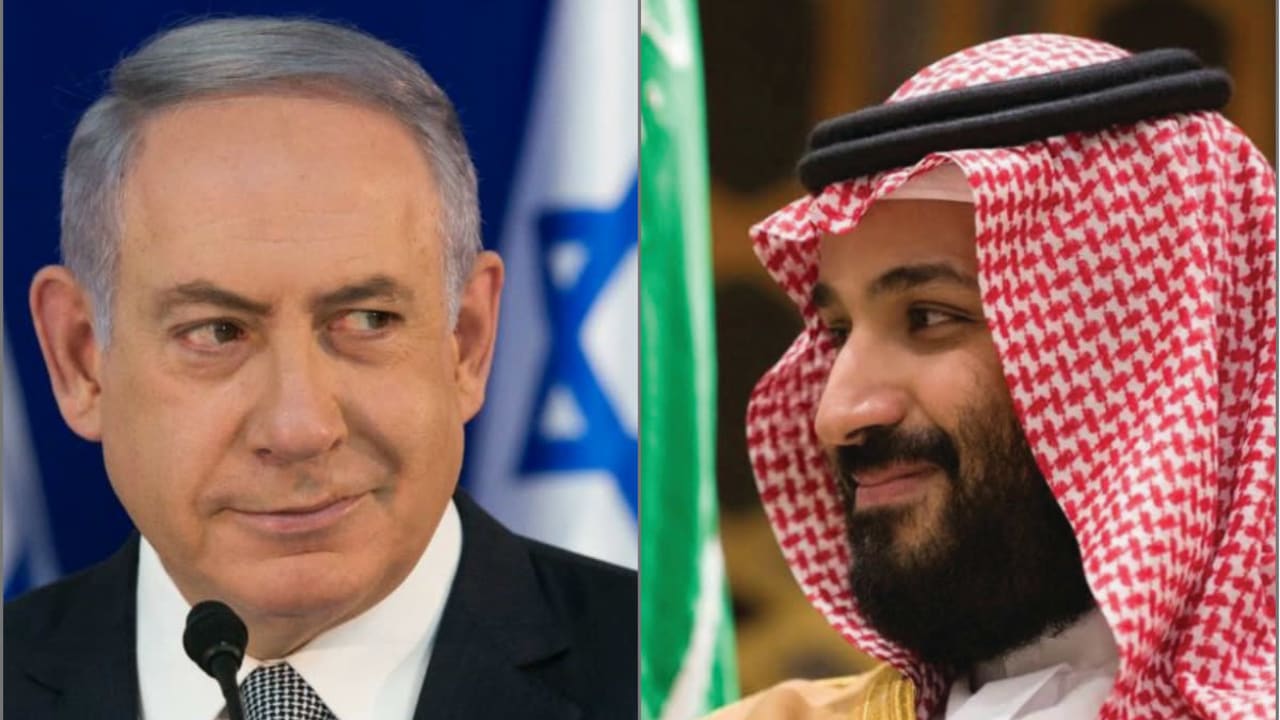
A recent Maariv poll has revealed significant insights into Israeli public opinion regarding assistance to Saudi Arabia in its conflict with the Houthi rebels from Yemen. According to the poll, 54% of Israeli respondents opine that the government should provide support to Saudi Arabia, highlighting a notable shift in regional dynamics.
Conditions for Assistance
The findings indicate that 38% of those surveyed believe any assistance should be contingent upon the establishment of a normalization agreement between Israel and Saudi Arabia. Conversely, 16% express support for offering aid regardless of immediate diplomatic relations, suggesting a willingness to prioritize strategic partnerships over political formalities. Meanwhile, 26% oppose any form of assistance to the Saudis, and 20% remain uncertain about their stance, indicating a divided opinion on the matter.
Implications for the Upcoming Knesset Elections
In addition to insights on foreign policy, the poll also examined the political landscape ahead of the Knesset elections scheduled for October 27. Prime Minister Benjamin Netanyahu’s Likud party appears to be experiencing a decline, with current estimates placing it at just 18 seats. The coalition bloc remains stable at 50 seats, showcasing challenges for Netanyahu’s administration as public opinion shifts.
The poll reflects ongoing changes within the opposition as well. Ofer Winter’s People of Israel party successfully cleared the electoral threshold, while Finance Minister Bezalel Smotrich’s Religious Zionist Party, aligned with Moshe Feiglin’s Zehut, gained one additional seat, totaling six seats. These dynamics provide a glimpse into the competitiveness of the upcoming elections, illustrating that both coalition and opposition parties are strategizing based on recent sentiments.
Key Political Figures and Voter Preferences
Another notable takeaway from the poll is Yoaz Hendel and Yaron Zelekha’s Reservists-Economic Party making headway by securing four seats in the opposition. On the other hand, Gadi Eisenkot’s Yashar party has suffered a loss, dropping two seats, while Naftali Bennett’s B’Yachad and Yair Golan’s Democrats have each lost one seat. Thus, the total Zionist opposition, excluding the parties led by Hendel and Zelekha, stands firm at 54 seats, with the Arab parties maintaining a solid presence at 12 seats.
When asked about preferred candidates for the prime minister, the poll reveals Eisenkot leading with 48%, compared to Netanyahu’s 40%. However, the margin between them has narrowed from 12 to just 8 percentage points. This indicates growing competition within political circles as public sentiments evolve in response to current events and policies.
Conclusion
The Maariv poll serves as a critical barometer of public opinion on both international and domestic matters in Israel. With a majority supporting aid to Saudi Arabia, coupled with fluctuating political support for major parties, the upcoming elections are likely to reflect these evolving viewpoints. As the political landscape continues to change, it remains to be seen how these opinions will shape Israel’s foreign policy and legislative agenda in the near future.