
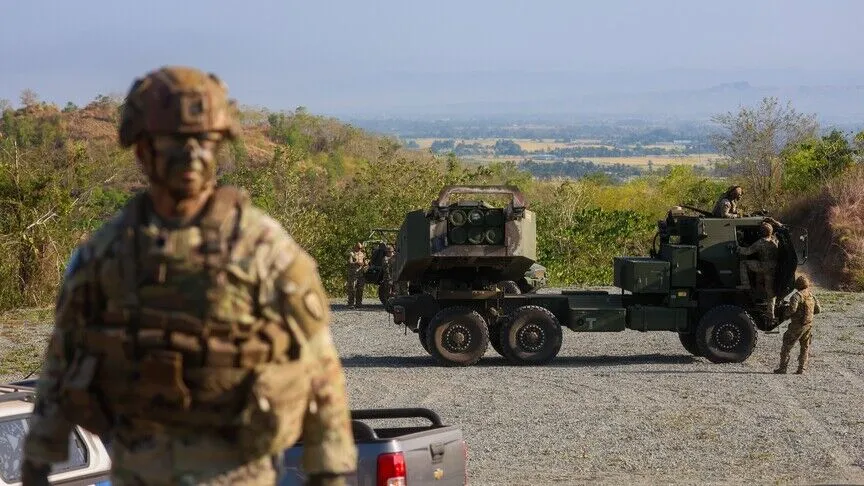
The United States is on the verge of concluding its long-standing military involvement in Iraq, with plans for the remaining troops to exit the nation by September 30. This withdrawal comes in tandem with Iraq’s efforts to integrate various armed groups under governmental authority, addressing a critical issue in national security and governance.
The Ongoing US Withdrawal from Iraq
Reports from both Iraqi and international sources indicate that the US withdrawal has already begun, following a significant reduction of American forces in previous years. While most bases across Iraq were vacated last year, a contingent of troops continues to remain in the semi-autonomous Kurdish region. The phased exit of US troops is a milestone that marks nearly two decades since the invasion that led to the demise of Saddam Hussein’s regime in 2003. Although American forces exited Iraq in 2011, they returned at the behest of Iraqi authorities a few years later to combat the Islamic State group’s rapid territorial gains.
Challenges with Armed Groups
The imminent withdrawal aligns with the Iraqi government’s challenge of managing non-state armed groups. The Iraqi administration has linked the departing US forces to an expectation that various militias will disarm; however, many prominent factions have made it clear that they will not comply before the specified deadline. In particular, groups like Kataib Hezbollah and Harakat al-Nujaba have rejected disarmament outright or have set forth conditions that complicate the disarmament process.
The Iraqi authorities are striving to assert greater control over these militias, many of which are formally integrated into the Popular Mobilization Forces—a coalition that serves under Iraq’s security apparatus. However, individual factions maintain considerable autonomy, complicating efforts for a unified command structure within the military.
Regional Tensions and Perspectives
The backdrop to this military withdrawal features escalating regional tensions. Following a series of attacks influenced by the United States and Israeli actions against Iran, Iraqi armed groups have targeted facilities associated with American interests. Concerns persist that these factions may continue their activities post-withdrawal, jeopardizing both regional stability and the security of Iraq itself.
Additionally, some militia factions have expressed a willingness to disarm, contrasting sharply with the more influential groups that refuse to do so. Their demands for placing the Kurdish Peshmerga forces under central control and limiting the presence of Iranian Kurdish opposition groups in northern Iraq further complicate the negotiations.
In summary, Iraq is at a pivotal juncture, grappling with two intertwined challenges: orchestrating a complete and orderly withdrawal of US military forces while managing powerful armed groups that operate outside of official government structures. This complex situation will require careful handling to ensure the country’s stability and sovereignty in the years to come. As deadlines approach, the future of Iraq’s security landscape remains uncertain, necessitating a strategic approach from both the government and its international partners.