
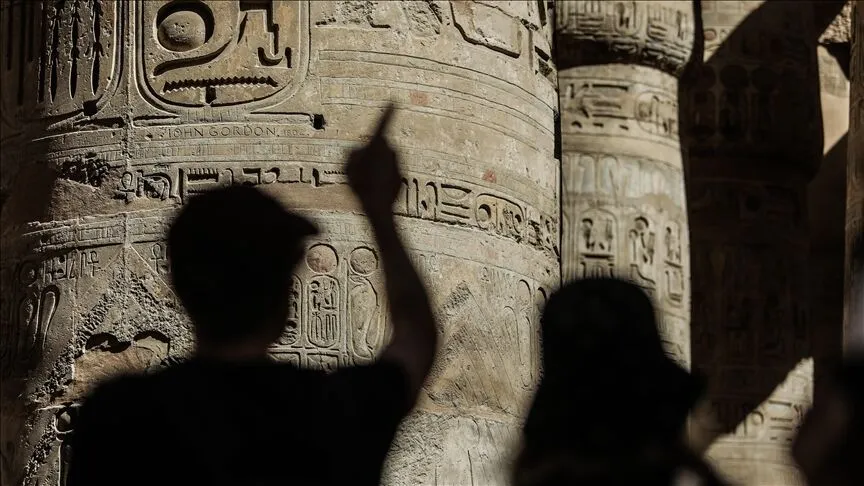
Lebanon recently took a significant step in fostering international collaboration over cultural heritage by returning 37 ancient Egyptian artifacts. These historical items, confiscated at the Beirut port in 2020, have finally been restored to their rightful home in Egypt after thorough investigations confirmed their origin.
Return of Ancient Artifacts
The handover of the artifacts took place in a ceremonial event held at the National Museum of Beirut, attended by prominent figures such as Lebanese Culture Minister Ghassan Salameh and Egyptian Ambassador to Lebanon, Alaa Moussa. This occasion not only marked the return of valuable historical items, but also symbolized the strengthening relationship between Lebanon and Egypt in the realm of cultural preservation.
The artifacts were intercepted as they arrived in Lebanon from another Arab port. Following their seizure, Lebanese authorities undertook a detailed inquiry to ascertain their provenance. Their efforts revealed these items to be Egyptian antiquities dating back to the pharaonic era, underscoring the importance of due diligence in tracing the origins of cultural artifacts.
Significance of the Repatriation
Among the returned items, five artifacts were showcased during the ceremony, including intricately crafted masks made from diverse materials such as fabric, wood, and clay. These items had been stored together in a single container when originally seized, illustrating the need for vigilance in tracking historical artifacts as they move across borders.
Laura Salloum, a representative from Lebanon’s Directorate of Antiquities, commented on the origins of the collection. She highlighted that the artifacts had been purchased by a Lebanese citizen without proper documentation confirming their legal acquisition from Egypt. This incident emphasizes the importance of thorough provenance verification in the art and antiquities market to combat the illegal trade of cultural heritage.
Enhancing International Cooperation
Minister Salameh stated that the investigation into the objects’ identity confirmed their Egyptian heritage. This event was framed as a joint effort between Lebanese and Egyptian authorities to safeguard archaeological treasures and to combat the illicit trafficking of antiquities. Such collaborative approaches are essential for not only protecting cultural heritage but also for fostering mutual trust and respect among nations.
Ambassador Moussa amplified this sentiment by emphasizing the critical role of inter-country cooperation in preserving cultural history. He noted that returning artifacts to their countries of origin is vital, especially when provenance has been established. This initiative reflects a broader commitment to reuniting nations with their historical artifacts, promoting a sense of identity and cultural pride.
The recent repatriation event serves as a reminder of Egypt’s ongoing mission to recover stolen artifacts. Over the past decade, Egyptian officials have successfully retrieved nearly 30,000 archaeological items, signaling an unwavering resolve to combat illegal antiquities trade. This latest repatriation not only reinforces national efforts but also emphasizes a global push to locate and restore cultural artifacts that were removed through unauthorized means.