
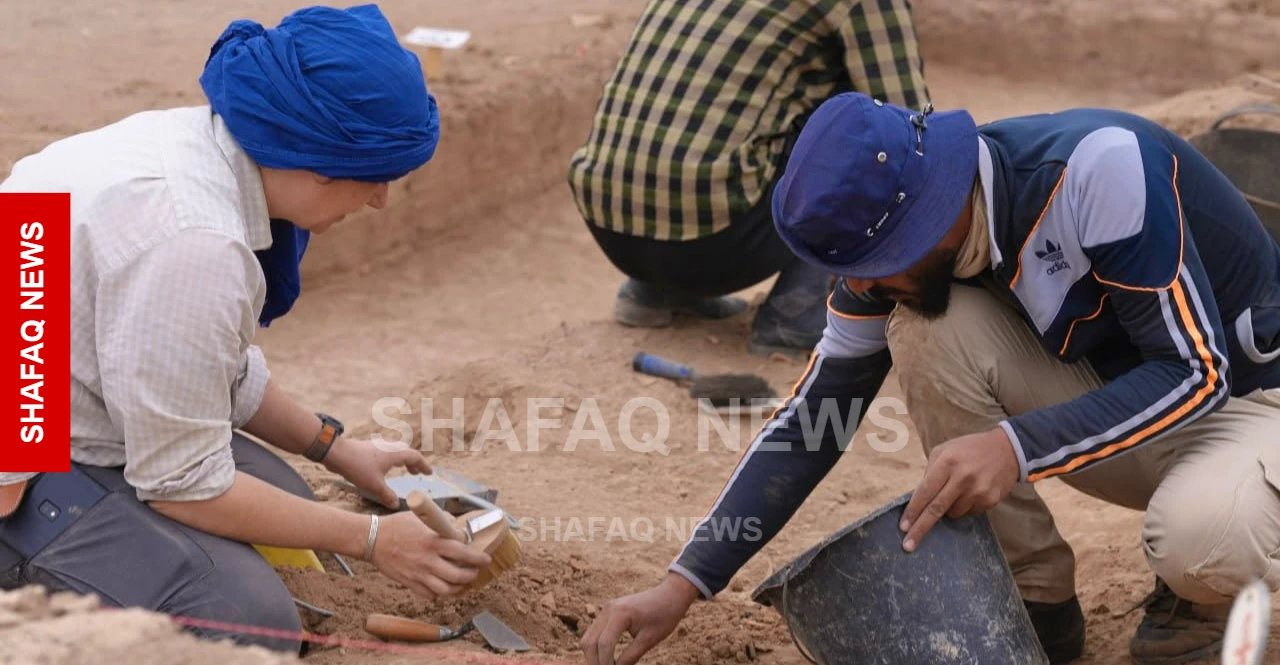
Foreign archaeological missions are opting out of planned visits to Iraq, largely due to ongoing regional tensions and security concerns. Ali Obaid Shalgam, head of Iraq’s State Board of Antiquities and Heritage, recently shared insights on this troubling development.
Impact of Security Concerns on Archaeological Work
Shalgam noted that the current security landscape prevents excavation teams from safely entering Iraq. He expressed hope that as conditions improve, archaeological fieldwork could resume. Until then, Iraq’s rich heritage continues to be at risk of being under-explored and under-researched.
In May, Shalgam reported that around 60 international missions have been unable to work in Iraq due to increasing tensions in the region. The escalation, particularly involving the United States, Israel, and Iran since late February, has thrown a wrench into essential surveys and archaeological endeavors. This disruption not only impacts foreign experts but also has significant repercussions for local archaeologists, who face limited opportunities for training both at home and abroad.
The Challenge of Limited Access to Expertise
Due to restricted access to international training programs, local archaeologists are struggling to enhance their expertise, which is crucial for preserving and understanding Iraq’s vast archaeological wealth. Many of these training opportunities are typically facilitated by foreign experts who are now prioritizing safety over collaboration. This lack of international support is a significant setback for the development of expertise in the Iraqi archaeological community.
As Iraq has about 150,000 archaeological sites, the impact of these cancellations cannot be understated. Each missed opportunity to study these sites slows the comprehensive understanding and preservation of a culture that dates back thousands of years. The current situation threatens to leave a gap in knowledge that may take years to fill, should the security situation improve.
Future Prospects for Archaeology in Iraq
Despite the setbacks, there is lingering hope among officials and budding archaeologists in Iraq. Shalgam and his team remain optimistic that the situation will stabilize in time to allow international missions to return. This return would not only help in research and excavation but also enhance the local archaeological community’s capabilities through shared knowledge and resources.
In conclusion, the present challenges facing foreign archaeological missions in Iraq are significant, but they highlight the importance of stability and security for both historical research and cultural preservation. As ongoing efforts are made to restore safety, the prospect of renewed international collaboration remains crucial for the future of archaeology in Iraq.