
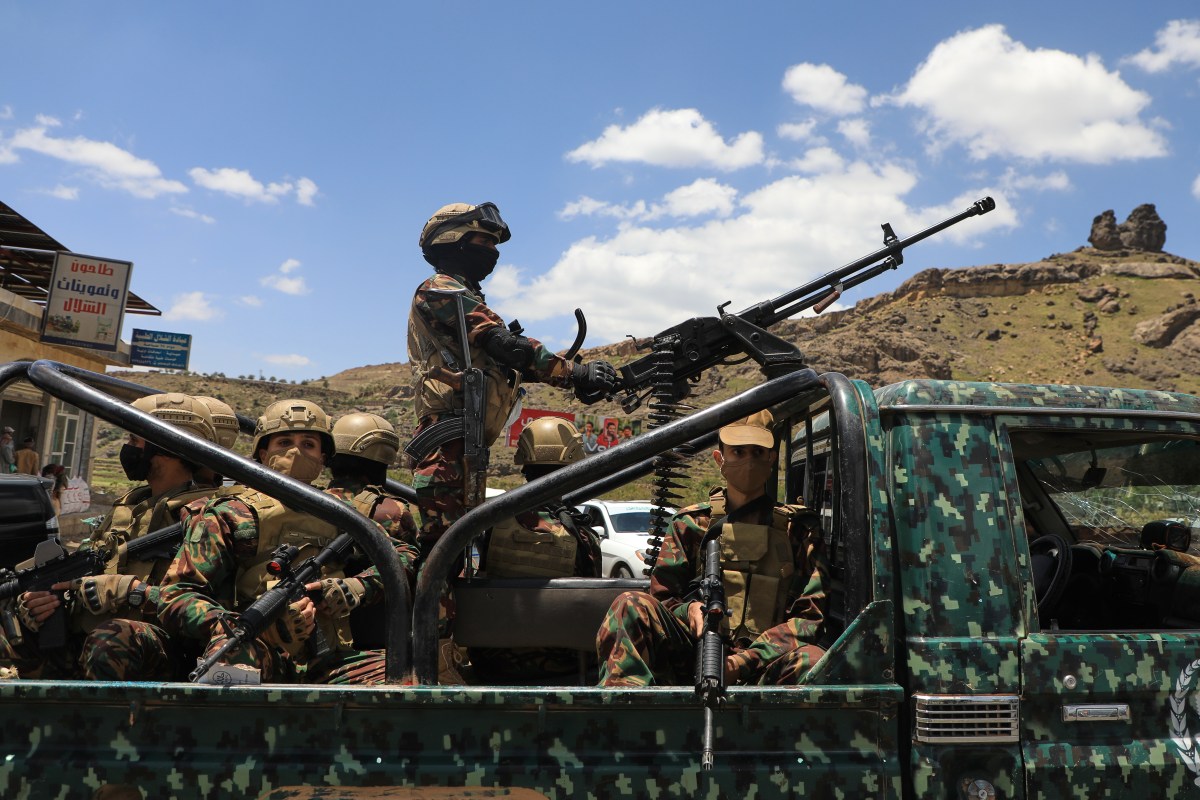
The ongoing conflict in Yemen raises critical questions about Saudi Arabia and its military interventions, drawing parallels with historical engagements like those in Vietnam. As the Houthis, allied with Iran, escalate their operations, the delicate balance of regional stability hangs in the balance.
Houthis Gain Ground
The Ansar Allah faction, widely known as the Houthis, has intensified assaults on Saudi territories and made significant advancements on the battlefield. These developments place the group in a commanding position over vital trade routes, particularly the Bab el-Mandeb Strait, which is essential for maritime traffic heading to the Suez Canal. Their ability to disrupt international shipping signals a new era of challenges for both Saudi Arabia and U.S. consumers, with implications for global energy markets and fuel prices.
The Houthi momentum doesn’t just hinder Saudi operations but also threatens the U.S. strategy in the region. With ongoing tensions between Iran and the U.S., foreign military support remains crucial for various players. However, the prospect of a direct ground invasion raises alarm bells, with analysts suggesting that neither the U.S. nor Saudi Arabia is willing to risk significant casualties on the ground. Given the lessons from past conflicts, especially in Iraq and Afghanistan, a similar pattern could unfold in Yemen, highlighting the complexities of foreign intervention.
Historical Parallels and Consequences
History offers valuable lessons on foreign military interventions, particularly evident in Egypt’s failed campaign in Yemen during the 1960s and the U.S. engagement in Vietnam. In both instances, invading forces encountered entrenched resistance and faced significant casualties, which ultimately led to withdrawal and a recognition of local power dynamics. Current events mirror these past conflicts, raising concerns that Saudi Arabia may be repeating the mistakes of its predecessors.
The ongoing challenges for Saudi Arabia are compounded by its previous military engagements, which have struggled to achieve definitive outcomes. Despite their aerial superiority, the Kingdom has failed to reclaim territories from the Houthis, who still control substantial portions of Yemen. The current stalemate reflects the difficulties of exerting military influence over a resilient insurgent group that has capitalized on nationalist sentiments among the Yemeni populace.
The Crown Prince’s Dilemma
Crown Prince Mohammed bin Salman now faces a pivotal dilemma: how to effectively respond to the Houthi threat while avoiding the pitfalls of all-out war. Riyadh is aware that it cannot ignore the Houthis’ territorial ambitions, especially following their attacks on critical infrastructure. While there are indications that the Saudi government might refrain from deploying ground troops, it must intensify support for allied Yemeni forces to counteract Houthi advancements.
The U.S. has historically played a role in supporting Saudi efforts in Yemen, but its military involvement has been inconsistent. Strategies have included airstrikes and intelligence-sharing, but the effectiveness of these operations remains uncertain. While discussions of additional support are ongoing, analysts stress that the U.S.’s role may continue to evolve, balancing military strategy with diplomatic efforts to stabilize the region.
Going forward, Saudi Arabia and its allies face a complex set of choices that could determine the future of Yemen. The potential for further escalation looms, but the costs of inaction also weigh heavily on the Kingdom. As regional tensions persist, leaders must navigate these treacherous waters carefully, considering both historical precedents and the current geopolitical landscape.