
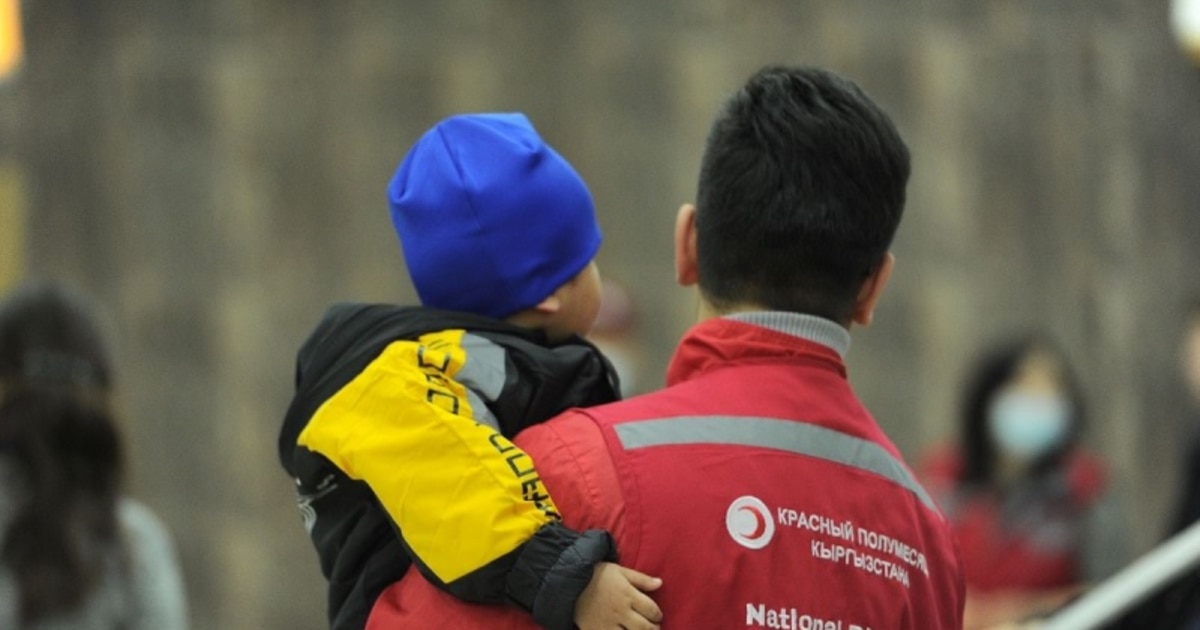
Just over a decade ago, Kamaldin Teshebaev and his wife enjoyed a stable life in the small town of Kyzyl-Kiya in southwestern Kyrgyzstan. Their family included three sons, three daughters-in-law, and 16 grandchildren. However, this tranquility was shattered when one of their sons, originally a migrant worker in Russia, ventured to Syria in 2014 with his family to join the Islamic State (IS) at the height of the group’s influence. Tragically, the other brothers soon followed.
### The Devastating Impact of Extremism
Now in his seventies, Teshebaev mourns the loss of three sons and several grandchildren who perished during the turmoil in Syria. After the fall of IS, many foreign fighters and their families were captured and faced detention or internment in camps. In Iraq, numerous foreign women who aligned themselves with IS, including the wives of militants, were prosecuted under strict counterterrorism laws.
Teshebaev’s daughters-in-law also found themselves imprisoned in Iraq after IS’s so-called caliphate collapsed. In an effort to rescue them, his wife traveled to Syria but ended up incarcerated as well. The specifics of her legal situation remain unclear, though family members allege she is being held on terrorism-related charges. Despite the heartache, Teshebaev expressed gratitude towards the Kyrgyz government for repatriating two of his grandchildren, who are now adults, with two recently married.
### A Hopeful Movement for Repatriation
On September 14, Teshebaev participated in a gathering outside the office of Kyrgyz President Sadyr Japarov, joining many others in a plea for the return of loved ones still trapped in Iraqi prisons. According to Kyrgyz authorities, there are currently 41 citizens held in Iraq, most of whom are the spouses or relatives of IS militants. Families that have tirelessly campaigned for their loved ones’ return are now filled with renewed hope. This revival comes as Iraq’s Justice Ministry announced plans to explore transferring nearly 6,000 foreign detainees with IS ties back to their countries of origin.
Teshebaev mentioned that his wife and daughters-in-law regularly contact him from Iraq, expressing their desperation to return home and serve their sentences in Kyrgyzstan. As of the latest updates, however, Kyrgyz authorities had yet to respond to their appeals.
### Personal Stories of Loss and Hope
Among those seeking assistance is Rahima Niyzamova, whose daughter Zebo Alieva has been imprisoned in Iraq’s Rusafa prison for over eight years. Alieva, who had been working in Turkey in 2015, was persuaded by her husband—a fighter for IS—to relocate to Iraq. Niyzamova is now raising her daughter’s four children, who were repatriated by the Kyrgyz government in 2021.
“I am in great pain,” Niyzamova stated, a sentiment echoed by many families. She explained that the emotional toll of having a child imprisoned has affected her health, leading to diabetes and heart issues. The anguish is compounded by the fact that her daughter’s youngest child was merely eight months old at the time of her imprisonment; now, that child is nine, further illustrating the long-lasting impact of such conflicts on families.
As Kyrgyzstan and other Central Asian nations navigate the complex scenarios surrounding repatriation, the plight of families like Teshebaev’s and Niyzamova’s serves as a poignant reminder of the human cost of extremism and the desperate longing for reunion in the face of profound adversity.