
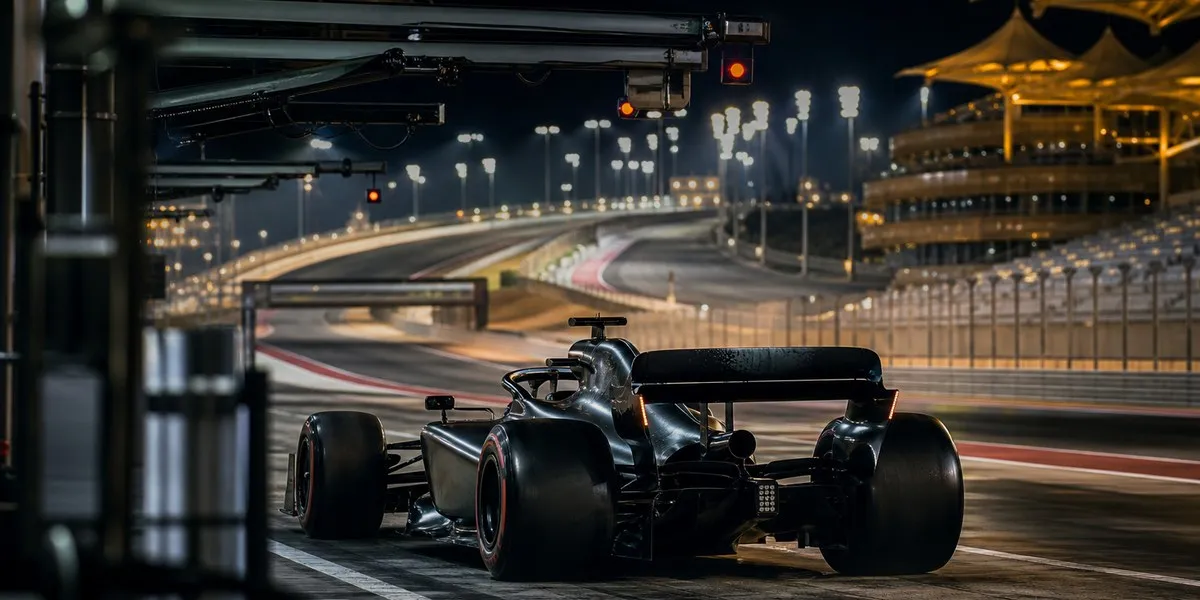
Formula 1 has confirmed its commitment to proceeding with the final races of the season in Qatar and Abu Dhabi, despite the ongoing conflict in the region. Stefano Domenicali, the chief executive of Formula 1, reaffirmed this decision, underscoring the series’ position amidst rising tensions in the Middle East.
Season Finale on the Horizon
As reported by various outlets, including The Guardian, Domenicali announced during an interview on French television that all indications point to the successful execution of the races in both locations. The Qatar Grand Prix is set for November 29, followed by the Abu Dhabi Grand Prix on December 6. Domenicali noted that the organizing teams are keeping all stakeholders, including drivers, well-informed about the current situation. Interest in the Abu Dhabi race is particularly high, with an impressive 99% of tickets already sold.
This consistent communication reiterates Formula 1’s focus on ensuring safety and maintaining the schedule, even as some questions arise from various drivers about holding races in regions experiencing unrest.
Adjustments in the Season’s Schedule
Earlier this season, the Bahrain Grand Prix was relocated to the Sepang circuit in Malaysia. In contrast, the Saudi Arabian Grand Prix had to be canceled due to the onset of a US-led military engagement related to tensions with Iran. These changes reflect the series’ adaptability amid global events, yet the decision to retain races in the Gulf remains a subject of discussion.
Not every driver is enthusiastic about competing in the Middle East under such circumstances. Max Verstappen expressed his reservations, stating on ViaPlay that, given the proximity of armed conflicts, he feels Formula 1 shouldn’t be racing in these locations. He emphasized that while he can voice his opinions, the ultimate decision rests with the organizers. There have even been discussions about relocating the final event to Italy’s Imola, showcasing the ongoing deliberations around the logistics of the season finale.
The Importance of Safety and Communication
In light of the current conflict in the Middle East, it is crucial for Formula 1 to prioritize the safety of its teams, drivers, and fans. Continuous monitoring of the situation allows for informed decisions to be made, ensuring that the racing community remains informed and aware. The combination of thorough communication and adaptive planning reflects a commitment to maintaining the integrity of the sport while also addressing the realities of global tensions.
As the season races towards its conclusion, the stakes are high. Both the Qatar and Abu Dhabi Grands Prix hold significant implications for the drivers’ standings and the championship title. With excitement building among fans and teams alike, the upcoming weekends promise to deliver thrilling experiences on the track, regardless of the backdrop.
Ultimately, the determination to proceed with these races shows Formula 1’s resilience and dedication to the sport, even when faced with challenging geopolitical conditions. As teams gear up for the final showdown, all eyes will be on Qatar and Abu Dhabi to see how the thrilling spectacle of Formula 1 unfolds against this unique backdrop.