
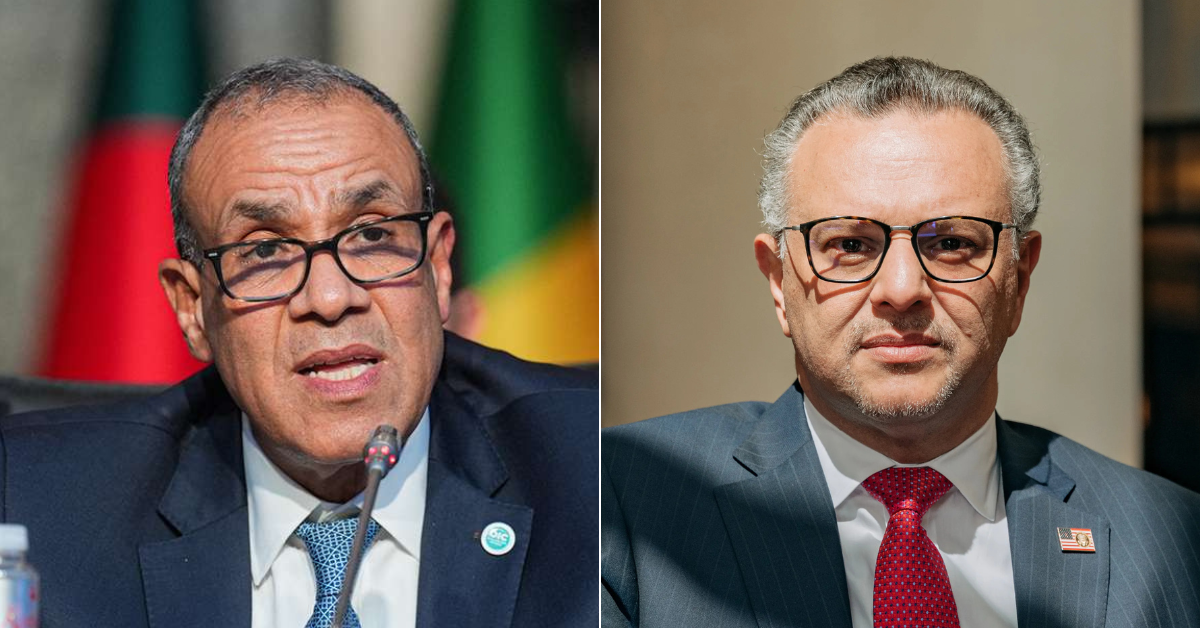
Egyptian Foreign Minister Badr Abdelatty recently engaged in a telephone conversation with Massad Boulos, the US presidential senior adviser for Arab and African affairs. Their discussion primarily revolved around the escalating tensions involving Iran, with a strong emphasis on maintaining freedom of navigation through the vital Strait of Hormuz, abiding by international law.
Significance of the Strait of Hormuz in Regional Stability
The Strait of Hormuz is a crucial maritime passage, serving as a conduit for a significant portion of the world’s oil supply. During their conversation, Abdelatty and Boulos reiterated the necessity of upholding maritime navigation rights, highlighting that regional stability hinges on adhering to established international legal frameworks. While no new agreements or measures were announced, the dialogue underscores the shared commitment of Cairo and Washington to address potential threats that could disrupt the flow of goods and global supply chains.
In recent months, Egypt has intensified its diplomatic efforts, engaging with both US officials and other regional powers to mitigate tensions stemming from Iran’s actions. Cairo has voiced concerns that a broadening conflict could have dire consequences for international shipping and lead to spikes in energy and food prices. This proactive approach reflects Egypt’s determination to foster stability and security in the region, mitigating risks that could reflect negatively on the global economy.
Addressing the Situation in Sudan
Beyond Iran, the conversation also addressed the ongoing conflict in Sudan. Abdelatty stressed the importance of building upon existing initiatives aimed at resolving the crisis and facilitating a political solution through dialogue. Egypt’s stance underlines a commitment to Sudan’s unity, sovereignty, and territorial integrity, advocating for the preservation of its national institutions amid turmoil. The Egyptian foreign minister’s insights come as regional dynamics continue to shift and escalate, further complicating the prospects for peace.
Cairo’s diplomatic engagements underscore the importance of collaborative efforts among regional stakeholders to foster a lasting resolution in Sudan. The discussions between Abdelatty and Boulos mark a continued commitment to ensuring that the voice of Sudanese people is central to any proposed political solutions.
Progress in Libya’s Political Landscape
Another focal point of the talks was the enduring crisis in Libya, where Abdelatty highlighted efforts aimed at fostering a political solution and bridging the country’s divisions. By reinforcing the principles of unity, sovereignty, and territorial integrity, Egypt is advocating for a cohesive approach that acknowledges Libya’s national institutions. The Egyptian minister called for synchronized regional and international efforts to support the political process, emphasizing the need for dialogue among Libyan factions to achieve a resolution that reflects their consensual choices.
These discussions are part of an ongoing series of consultations aimed at addressing conflict zones in the region. Previous conversations between the officials have also delved into potential pathways to resolve the Sudan crisis as well as strategies to overcome Libya’s political impasse. Such ongoing dialogues not only illustrate the commitment of Egypt and the United States to regional stability but also demonstrate a broader defensive strategy to counteract the ripple effects of conflict that can destabilize neighboring countries.
In summary, the recent discussions between Egyptian and US officials highlight the complex geopolitical landscape in the Middle East. By focusing on issues related to Iran, Sudan, and Libya, Cairo aims to bolster regional stability and support sustainable solutions that respect national sovereignty and encourage cooperative diplomacy.