
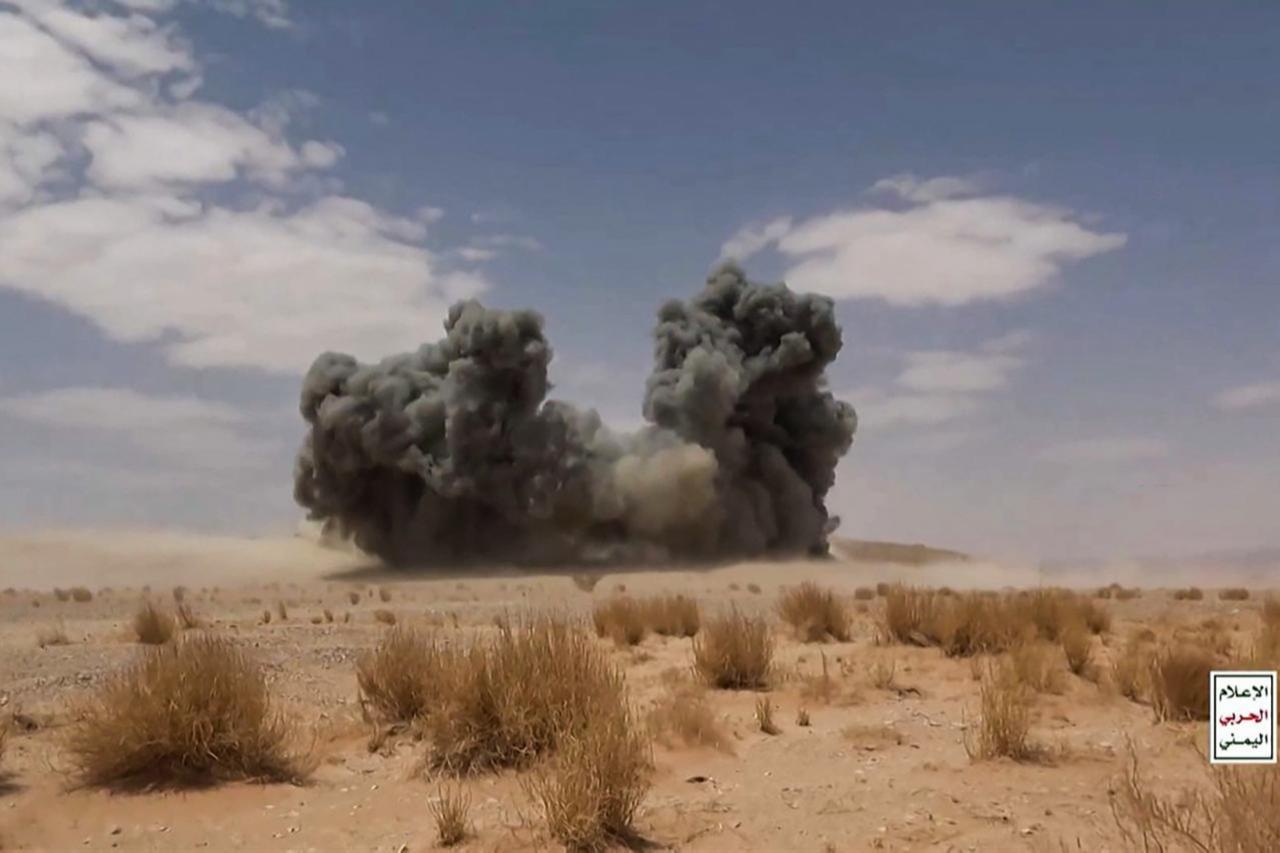
On September 19, 2026, the Houthi movement from Yemen announced that they targeted significant sites in Saudi Arabia, including the capital city of Riyadh and vital oil facilities belonging to Aramco in Yanbu. This attack marks a continuation of their ongoing campaign against the Saudi kingdom, reflecting the escalating nature of the conflict in the region.
Explosions Reported in Riyadh
Residents in Riyadh reported a series of explosions in the Olaya district right before the Saudi authorities issued aviation threat warnings. Emergency alerts raised concerns among locals, followed by a subsequent declaration later that morning lifting the warnings. Nevertheless, large plumes of black smoke were still visible near King Khalid International Airport, reportedly emerging from a fuel storage facility. As of the latest reports, Saudi officials had not provided an explanation for the incident, leaving many questions unanswered regarding potential damage or casualties.
While the Saudi media has remained silent on these recent developments, it has adhered to its historical stance of not confirming damages or human losses related to Houthi attacks. This response aligns with their previous interactions following claims of strikes from the Houthi group.
Escalating Tensions in the Region
The recent strike is part of a growing trend of increased aggression between the Houthis and Saudi-allied forces that reignited after a lull in significant hostilities due to a United Nations-brokered ceasefire in 2022. Observers indicate that the current state of conflict represents the most severe escalation in the region since those accords were made. The Houthis have specifically intensified their focus on Saudi Arabia’s oil infrastructure, launching repeated assaults on Aramco facilities, including those crucial to the country’s east-west pipeline, which plays a significant role in crude oil exports.
In addition to these assaults, the Houthis have claimed involvement in attacks on various Saudi military bases throughout the year. They argue that their operations are acts of retribution for ongoing Saudi airstrikes targeting Houthi-controlled areas within Yemen, which has been embroiled in civil war since 2014.
Broader Impact of Renewed Conflict
The renewed clashes have had a considerable humanitarian impact, leading to the displacement of over 100,000 individuals within Yemen, as reported by the U.N. refugee agency. Various families have been forced to flee, with many taking perilous journeys across the Red Sea to find safety in Djibouti. The conflict has also prompted the Houthis to impose naval restrictions on Saudi maritime activities in the Red Sea, complicating an already tense shipping route impacted by the wider conflict in the region.
Despite the ongoing disputes and disturbances, Aramco has reiterated that previous attacks had only minor implications for production capacity, expecting swift recovery of operations. However, the company has yet to publicly address the Houthi’s latest claims directly, leaving uncertainty surrounding the potential long-term effects of the strikes on both their operations and the region’s stability.
As the geopolitical landscape continues to unfold, it remains crucial to monitor how these escalating tensions between the Houthis and Saudi Arabia will influence regional dynamics and humanitarian conditions in Yemen. The implications of these conflicts extend beyond borders, affecting not only the local population but also global oil markets and international diplomatic efforts in the region.