
Turkey has stepped forward to assist Saudi Arabia with its military needs as the kingdom faces escalating Houthi attacks. The intensification of these attacks presents a significant challenge for the recently established defense agreement between Saudi Arabia, Turkey, and Pakistan. This strategic partnership is poised for its first substantial test amid rising regional tensions.
Turkey’s Commitment to Saudi Defense
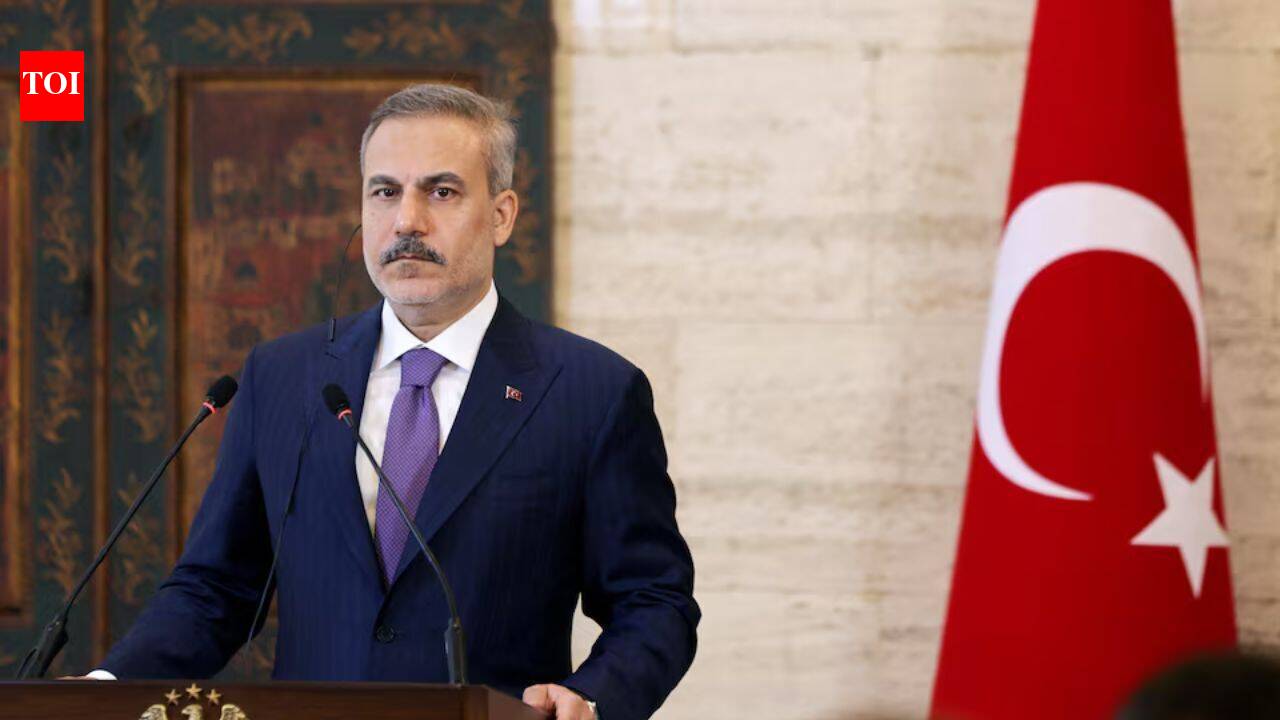
Turkish Foreign Minister Hakan Fidan emphasized Turkey’s readiness to support Saudi Arabia during this turbulent period. In an interview, he noted that the country is prepared to address any military requirements, particularly concerning technical issues. Fidan stated, “We see there are very serious attacks on Saudi Arabia’s territorial integrity and sovereignty. We have an alliance agreement in our pact, and we stand in strong solidarity on this matter.” This expression of commitment reinforces Turkey’s role as a key player in regional defense affairs.
The Mecca Joint Defence Agreement
The backdrop of this military cooperation is the Mecca Joint Defence Agreement signed last month by Saudi Arabia, Turkey, and Pakistan. This treaty establishes that any armed aggression against one nation will be treated as an attack on all three, creating a framework for mutual defense. The agreement aims to bolster security among the allied nations, especially in light of the current Houthi threats. Although Pakistan has not yet indicated any immediate military actions under this agreement, officials have assured that they are prepared to respond when deemed necessary.
Escalating Houthi Threats
The Houthi movement, aligned with Iran, has significantly increased its assaults on Saudi territories since July. Targeting key urban centers, energy facilities, and shipping routes, the Houthis have asserted that they have made multiple successful strikes against “sensitive” targets in Riyadh, along with attacks on Aramco facilities. Despite these aggressive moves, Saudi air defenses have successfully intercepted some missiles, showcasing a proactive measure to safeguard national interests amidst ongoing threats.
The Call for Strategic Partnerships
In light of these urgent threats, Saudi Arabia has sought additional military backing, particularly from the U.S. A request for direct military intervention was reportedly declined, though the U.S. has committed to providing intelligence and targeting support. Such dynamics highlight the complexities of international relations in the region, as Riyadh navigates its security needs while striving to avoid deeper involvement in the ongoing U.S.-Iran tensions.
Fidan has voiced concerns regarding Saudi Arabia’s possible entanglement in the broader conflict involving Iran and the U.S. He reiterated that Riyadh’s intention is not to escalate its involvement but rather to safeguard its sovereignty and national interests. Moreover, proposals have been floated to various parties aimed at de-escalating the ongoing violence, although specific details have not been disclosed.
As the Houthi threat looms larger, the collaborative spirit of the Mecca Joint Defence Agreement will be put to the test. With Turkey’s commitment to assisting Saudi Arabia, we may witness new developments in regional security dynamics that evoke a stronger response to external threats and an emphasis on establishing secure and stable partnerships in an increasingly volatile geopolitical landscape.