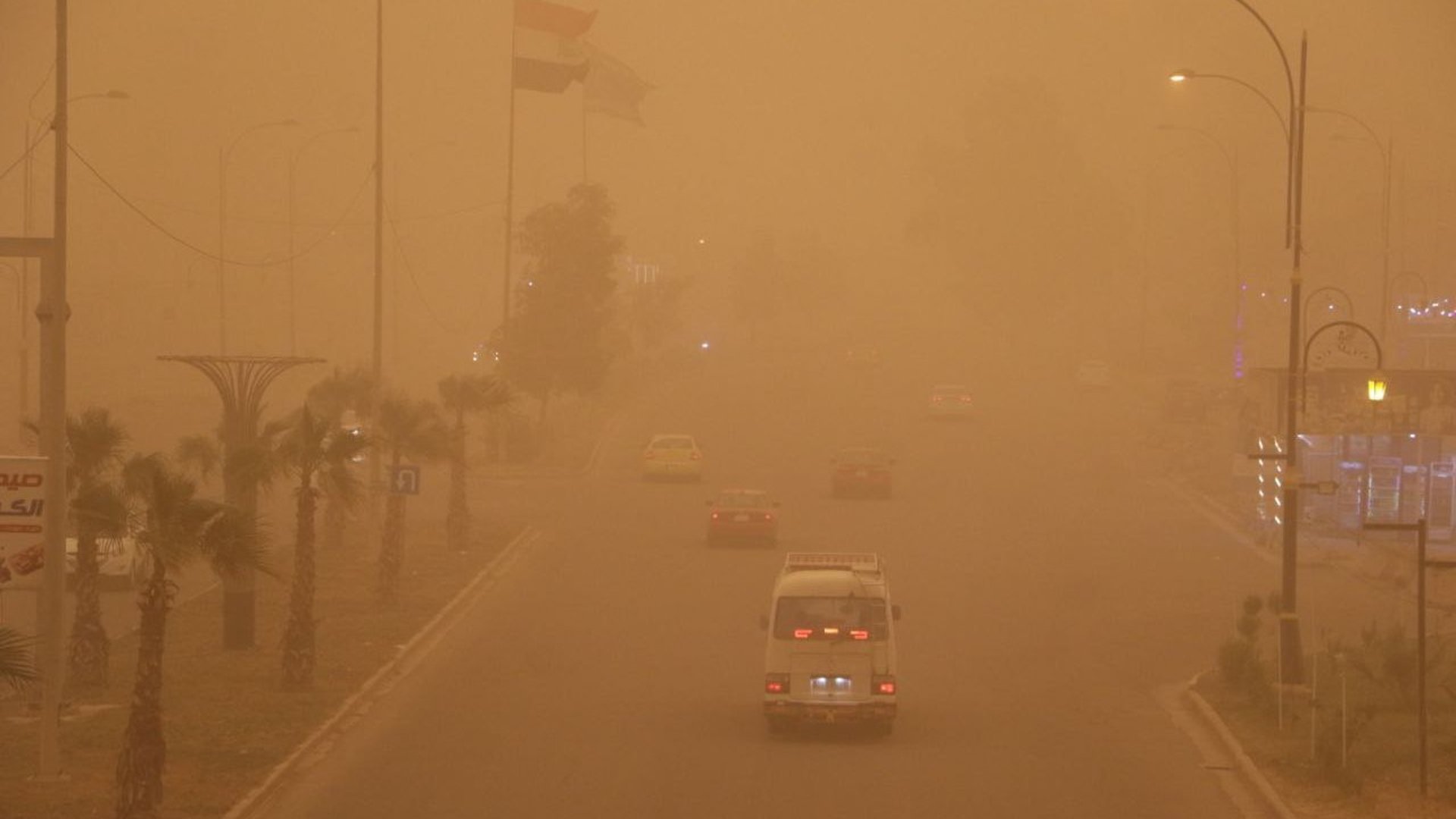
Iraq is on track to experience an alarming increase in sand and dust storms, potentially facing these weather events on up to 300 days annually within the next decade. This represents a significant leap from historical data, highlighting the severity of desertification, according to the Green Iraq Observatory.
Increasing Frequency of Dust Storms
Historically, Iraq recorded an average of only about 24 dust storms per year from 1951 to 1990. The situation, however, has escalated due to climate change and desertification. The observatory predicts that within the next ten years, the country could endure dust storms more than twelve times as frequently. A projection of 300 dust storms annually means that five out of every six days could be marred by reduced visibility and health risks stemming from airborne particulate matter. The observatory has pinpointed six major storm-prone areas predominantly in southern Iraq, with others in the central and western regions, and notes that these storms contribute to air quality issues not only locally but also extend their reach to neighboring countries like Kuwait, Saudi Arabia, and Iran.
Health Impacts on the Population
The adverse health effects from these storms are already alarming. Recent events have overwhelmed hospitals, with a significant storm on May 4 resulting in over 1,100 patients seeking medical assistance for respiratory difficulties. Regions such as Muthanna, Najaf, and Baghdad reported thousands of cases as dust storms continued to plague Iraqi cities. A follow-up storm two weeks later further exacerbated the situation, bringing in 837 more patients in just one day alone, illustrating a troubling trend that health facilities are struggling to manage. Last year, another storm incapacitated over 1,700 individuals in southern Iraq, causing flight cancellations at Basra airport and necessitating the closure of government offices.
Government Responses and Initiatives
In response to these escalating environmental challenges, Iraq’s Agriculture Ministry announced it was finalizing its first national study on desertification rates, beginning with assessments in regions like Dhi Qar, Wasit, and Nineveh. To combat the effects of desertification, the ministry is implementing dune stabilization efforts, exploring the use of drought-resistant crops, and utilizing satellite technology for monitoring vegetation and dune movements. Notably, Iraq has partnered with Kuwait on a project targeting dune stabilization in southern Iraq, highlighting international efforts aimed at addressing these pressing environmental challenges.
The Need for Urgent Action
Given the gravity of the situation, it is crucial for both local authorities and international organizations to amplify their efforts against desertification and its associated impacts. The overwhelming threat posed by increased dust storms can have far-reaching implications on public health, agriculture, and overall quality of life. As climate change accelerates desertification across the region, prompt interventions are necessary to mitigate the adverse effects and protect vulnerable communities. Sustainable environmental policies, community awareness programs, and international cooperation must be prioritized to create a resilient strategy for fighting the challenges posed by climate change in Iraq.
The future of Iraq’s environmental health hinges on these urgent actions, making collaboration and effective governance imperative to safeguard against the looming threat of sand and dust storms.