
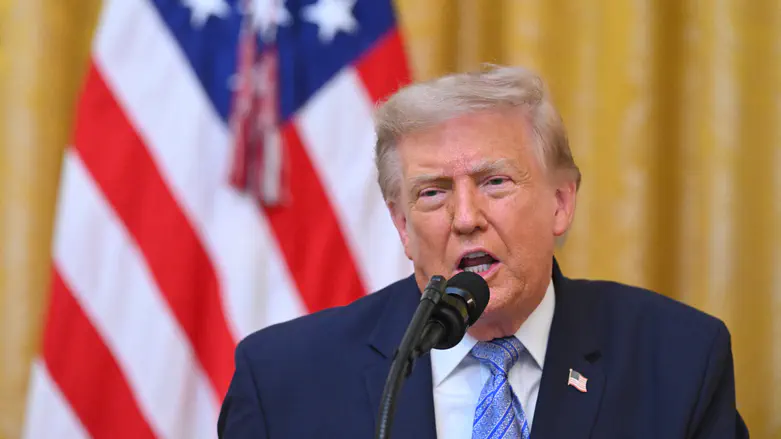
In light of escalating tensions in the Middle East, President Donald Trump is currently deliberating the United States’ strategic approach toward Iran. Significant changes could be imminent, especially with Iranian leaders set to participate in the upcoming UN General Assembly in New York.
Options on the Table
According to Trey Yingst, Fox News’ chief foreign correspondent, Trump disclosed that he is examining multiple pathways regarding Iran, which may include heightened military engagement, sustained economic sanctions, or efforts to negotiate a diplomatic settlement with Tehran. The President hinted at the possibility of meeting Iranian President Masoud Pezeshkian, who will be attending the UN event, potentially paving the way for direct talks.
Current Tensions and Security Concerns
While addressing safety alerts issued to American citizens in the region, Trump assured that the current weekend does not constitute a significantly different situation than previous ones despite heightened concerns. Additionally, he commented on Iran-aligned Houthi activity in Yemen, particularly following ballistic missile strikes aimed at Saudi Arabia. Trump indicated that the U.S. maintains communication with the Houthis, who have reportedly agreed to refrain from aggression toward American interests. This suggests a delicate balancing act in U.S. foreign policy as the administration juggles various Actors involved.
Decision-Making Dynamics
Trump emphasized that he remains in a crucial decision-making phase, urging Tehran to exercise caution as he assesses the available options. However, no definitive timeline has been provided for when a decision regarding Iran will materialize. Yingst also pointed out that Trump expressed challenges in pinpointing Iranian officials open to negotiations, as some appear to be evading detection. The complexities are further compounded by the internal divisions within Iran, epitomized by differing factions led by President Pezeshkian and Foreign Minister Abbas Araghchi against more hardline members of the Islamic Revolutionary Guard Corps.
Economic Pressures and Naval Blockades
The ongoing U.S. naval blockade is intensifying pressure on the Iranian economy, a critical point of discussion. As CENTCOM Commander Admiral Brad Cooper noted, over one billion barrels of crude oil have been escorted out of the Persian Gulf since the inception of this blockade, further aggravating Iran’s financial struggles and complicating their attempts at economic stabilization.
With Iranian officials set to arrive in New York for the UN General Assembly, a potential window for diplomatic engagement exists. As President Trump continues to evaluate his options, the international community remains vigilant about the implications of any choices made in regard to Iran’s future. All eyes will be on the interactions that unfold in New York, which may shape the course of U.S.-Iran relations in the coming days.