
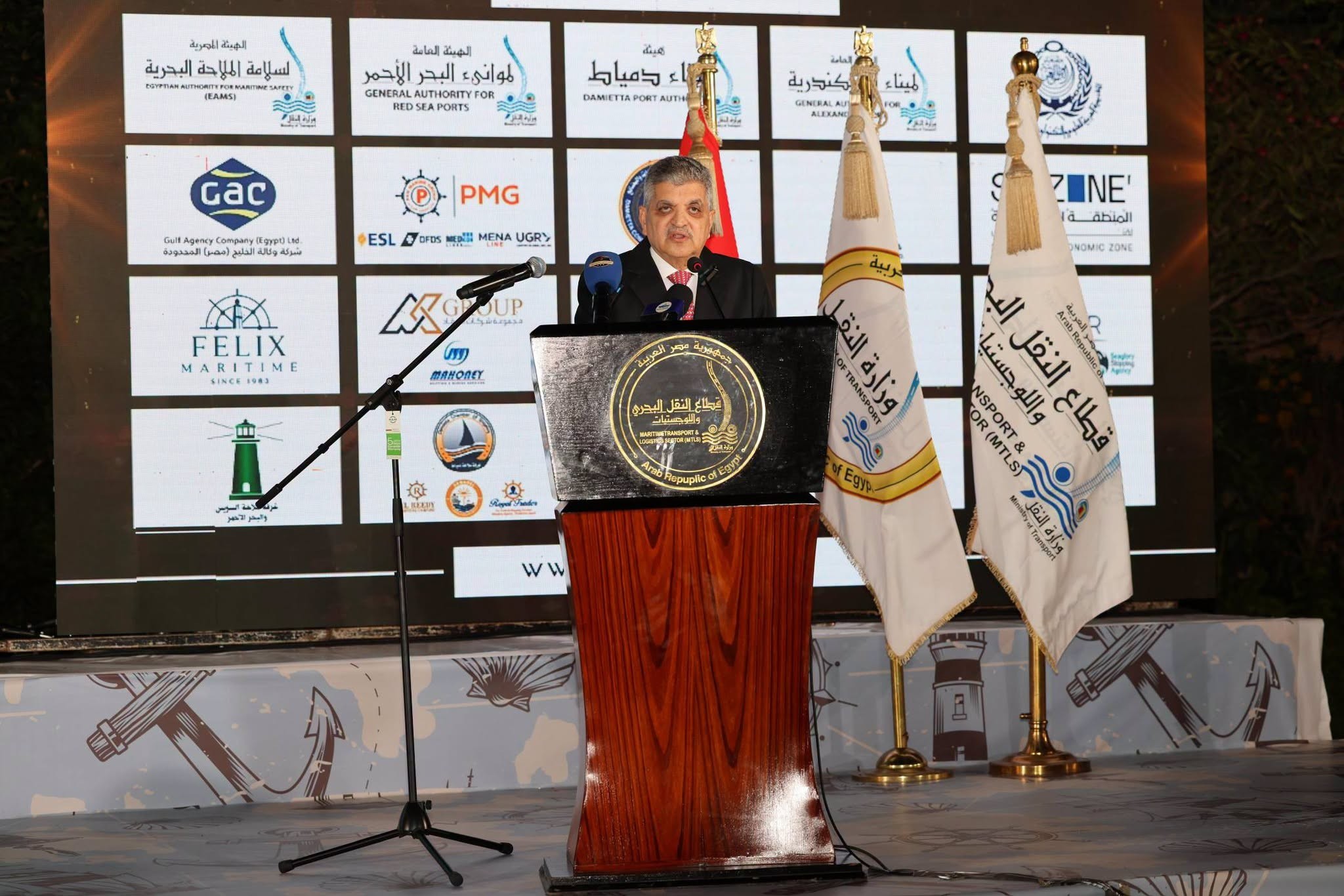
In August 2026, the Suez Canal experienced a surge in traffic, which is noteworthy for both economic and logistical reasons. This increase is a clear reflection of the canal’s critical role in global maritime trade. According to Osama Rabie, the Chairperson of the Suez Canal Authority (SCA), the waterway saw 1,358 vessels transit, with a combined net tonnage of 68.3 million tonnes, generating revenues of $567.1 million.
Significant Year-on-Year Growth
Rabie made these statements during the World Maritime Day 2026 festivities in Alexandria, organized by the Ministry of Transport’s Maritime Transport Sector. This year’s theme was “From Policy to Practice: Advancing Maritime Excellence.” When comparing this month’s statistics to those from August 2025, the growth in activity is impressive. Last year, only 1,070 vessels passed through the canal, carrying a net tonnage of 45.2 million tonnes and yielding revenues of $326 million. The recent figures signify substantial annual increases: 27% in vessel count, 51.1% in net tonnage, and 56.7% in economic returns.
Rabie highlighted that geopolitical shifts and challenges to global trade have significantly impacted maritime operations in the Suez Canal. To adapt to these changes, the authority has implemented flexible policies aimed at ensuring operational stability. These measures also focus on diversifying revenue streams and enhancing maritime services, which are vital for maintaining competitiveness in the global market.
Expanding Services and Collaborations
In pursuit of further growth, the SCA is concentrating on boosting local maritime industries. This includes improving shipyards and collaborating with private sector companies to broaden their offerings and reach international markets. New maritime services introduced for vessels navigating through the canal encompass shipbuilding and repairs, marine fuel supplies, emergency medical services at sea, and crew changes. These developments showcase the SCA’s commitment to ensuring that the canal remains a valuable asset for global shipping.
Rabie emphasized that the recent disturbances in international trade have underscored the Suez Canal’s significance to global supply chains, assuring stakeholders that navigation remains safe and efficient. Beyond servicing canal transit, the SCA is expanding its involvement through projects aimed at enhancing maritime infrastructure in Arab and African nations. This includes contributing to the revival of the Port of Sirte in Libya, which had been inactive for 14 years. The SCA’s Maritime Training and Simulation Academy has also invested efforts into modeling the operations of Saudi Arabia’s Ras Al-Khair Port.
Future Initiatives and Training Programs
Moreover, the authority is in discussions to develop simulation models for two ports in Namibia while offering training initiatives for local maritime professionals, such as pilots and tugboat operators. These educational efforts illustrate the SCA’s dedication to fostering local expertise and improving operational competencies within the maritime sector.
The World Maritime Day event brought together significant figures from the maritime industry, including Transport Minister Kamel Al-Wazir and Alexandria Governor Ahmed Khaled Hassan Saeed, among others. This gathering not only highlighted the achievements of the SCA but also reinforced the industry’s cooperative spirit in advancing maritime excellence. As the SCA charts its course for the future, its continued efforts to adapt and innovate will be crucial in navigating both challenges and opportunities in the evolving global maritime landscape.