
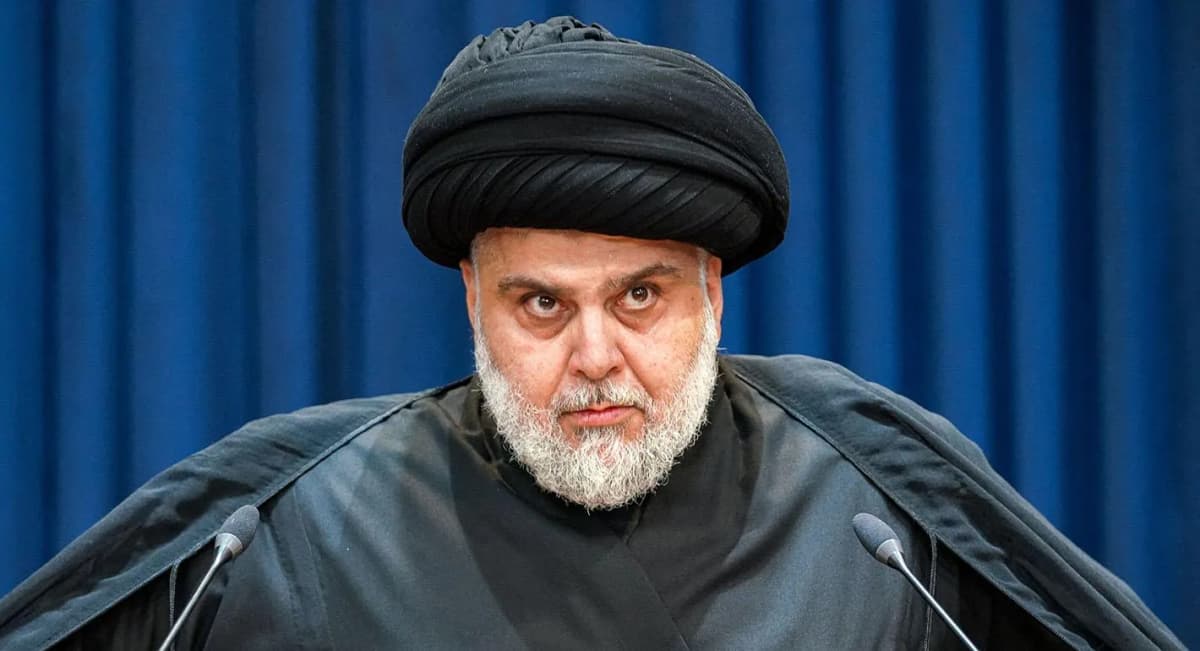
In a recent statement, influential Shiite cleric Muqtada al-Sadr issued a stern warning against foreign participation in Iraq’s internal matters. His comments come as the U.S.-led Coalition prepares to finalize its withdrawal by the end of September, emphasizing Iraq’s sovereignty during this significant transition.
Al-Sadr’s Warning to Foreign Nations
On Sunday, Muqtada al-Sadr cautioned neighboring nations and others against meddling in Iraq’s affairs, highlighting the necessity for Iraq to remain independent. In his Telegram message, he expressed satisfaction at the impending withdrawal of the Global Coalition to Defeat ISIS and stressed that intervention from outside forces is unwelcome. Al-Sadr vowed to firmly oppose any foreign involvement, underscoring that such actions would be detrimental to the integrity and dignity of the Iraqi state.
With the Coalition’s withdrawal date approaching, it symbolizes the culmination of a security agreement birthed in 2014, when Iraq sought global assistance in combating the ISIS threat. Al-Sadr called on the United States and other countries to respect Iraq’s decision, asserting that the withdrawal would benefit not only Iraq but the world at large.
Iraqi Sovereignty and Internal Security Control
Sadr further emphasized that the withdrawal should not pave the way for new foreign interventions, which he argues would compromise Iraq’s sovereignty and independence. He expressed hope that Iraq has the capacity to safeguard itself through its national security apparatus. In his view, the Iraqi government’s security forces, particularly its border guards and air force, are equipped to manage the country’s defense independently.
In light of the Coalition’s departure, Sadr’s remarks invoke a broader debate about the control of arms and security within Iraq. The Iraqi leadership has been working to integrate various militant groups into state security forces, ensuring that all weapons fall under government jurisdiction. However, resistance from certain Iran-aligned armed factions complicates this effort.
The Path Ahead for Iraq
As the U.S.-led Coalition officially withdraws, concerns arise regarding the control of armed groups within Iraq. Prominent factions, including Kata’ib Hezbollah and Harakat Hezbollah al-Nujaba, have resisted disarming, arguing their position aligns with the presence of foreign troops. This dynamic adds a layer of complexity to Iraq’s post-withdrawal security landscape.
Al-Sadr remains a critical figure in shaping these discussions. He has previously taken steps to separate his armed faction, Saraya al-Salam, from political influence, aiming for its full integration into the state security framework. This initiative aligns with ongoing discussions about the control and regulation of weapons held by various groups within Iraq.
In summary, Al-Sadr’s firm stance reflects a broader desire for Iraq to reclaim its sovereignty amidst the complexities of regional power dynamics and internal security challenges. As the country navigates this pivotal moment, the balance between maintaining independence and managing diverse armed factions will be crucial for its future stability.