
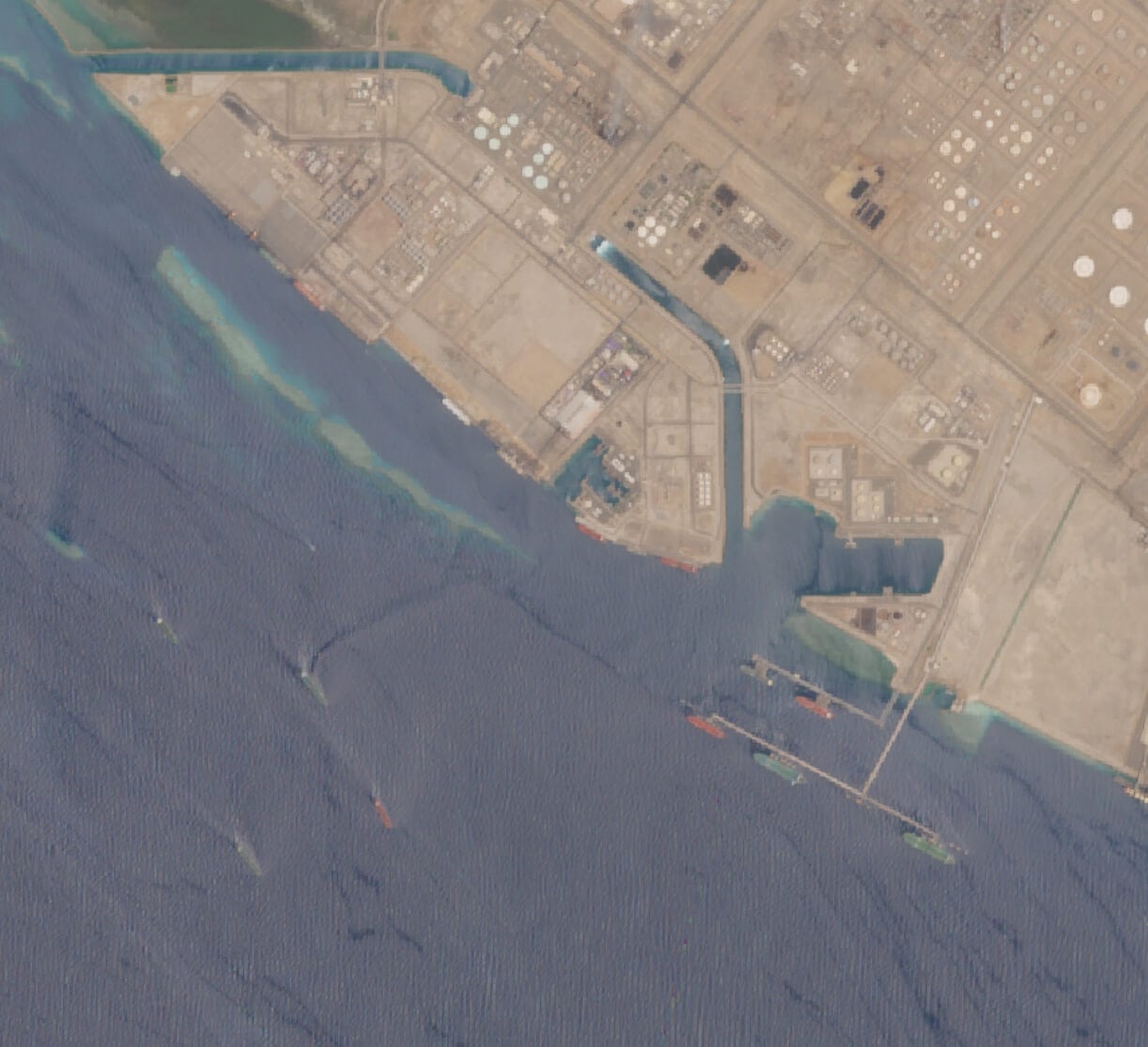
Saudi Arabia has long served as a cornerstone of stability within OPEC, being the largest oil producer in the Middle East. The nation has consistently supplied markets in Asia and Europe through long-term contracts while maintaining a substantial spare production capacity. This capability has allowed Saudi Arabia to function effectively as the world’s primary “swing producer,” managing fluctuations in global oil supply and demand. However, recent geopolitical shifts have thrown the Kingdom into a crisis, primarily due to the escalating U.S.-Iran conflict and the subsequent impact on its oil export infrastructure. In this analysis, we will explore these upheavals and their implications for the tanker market.
Saudi Arabia’s Oil Production Landscape
Before the onset of the U.S.-Iran conflict, Saudi Arabia held its position as the world’s third-largest crude oil producer, trailing only the United States and Russia. The nation boasts the second-largest proven oil reserves globally, following Venezuela. Over the last 25 years, Saudi Arabia has not only excelled in oil extraction but has also expanded its refining capabilities. Today, it ranks as the sixth-largest refiner worldwide, with a domestic refining capacity of 3.3 million barrels per day. The Kingdom also holds substantial stakes in joint-venture refineries in countries such as China, South Korea, and Malaysia, further showcasing its influence in the global oil market.
Impact of U.S.-Iran Conflict on Oil Exports
While Saudi Arabia has traditionally remained stable, the U.S.-Iran conflict has severely affected its oil sector. Though not directly engaged in combat, Saudi Arabia’s position as a U.S. ally makes it a target for Iranian-backed groups. Following the outbreak of hostilities, Iran has threatened maritime transport through the Strait of Hormuz, significantly impacting seaborne exports from various Gulf nations. Although Saudi Arabia managed to divert approximately 5 million barrels per day through the East-West pipeline to the Red Sea port of Yanbu, this alternative route carries its own set of risks. The Bab el-Mandeb strait, a crucial passage to Asia, is controlled by the Houthi rebels, who swiftly launched blockades against Saudi vessels attempting to transit.
The precariousness of this situation escalated when Iran-aligned militias attacked the East-West pipeline, forcing Saudi Aramco to halt operations. The timeframe for restoration remains uncertain, leaving the Kingdom with few options as it pivots back to loading oil from its Persian Gulf terminals. The implications of such operational constraints cannot be overstated, especially given the current tightness of the global oil market.
The Tanker Market’s Reaction
Despite the challenges faced by Saudi Arabia, the tanker market has experienced a surge in activity. The uncertainty and risk associated with the ongoing conflict have led to spikes in freight rates, pushing them to unprecedented levels. Tankers are currently waiting for loading opportunities in various regions, including Yanbu and Sidi Kerir, with many uncertain about the availability of crude exports.
The Emiratis have initiated a VLCC shuttle trade to facilitate the transfer of oil from the Arabian Gulf to the Gulf of Oman. Though this method provides some relief for Middle Eastern exporters, it is less efficient than direct loading. Furthermore, while Hormuz transits remain vulnerable to Iranian attacks, ship-to-ship transfers off the Oman coast bring their own set of risks.
In summary, Saudi Arabia’s enduring status as a leading oil producer faces unprecedented challenges from external geopolitical pressures. While the Kingdom strives to adapt to these pressures, the repercussions on the tanker market and the broader oil supply chain are becoming increasingly significant. As tensions continue, both the outlook for oil exports and the associated maritime logistics will remain uncertain.