
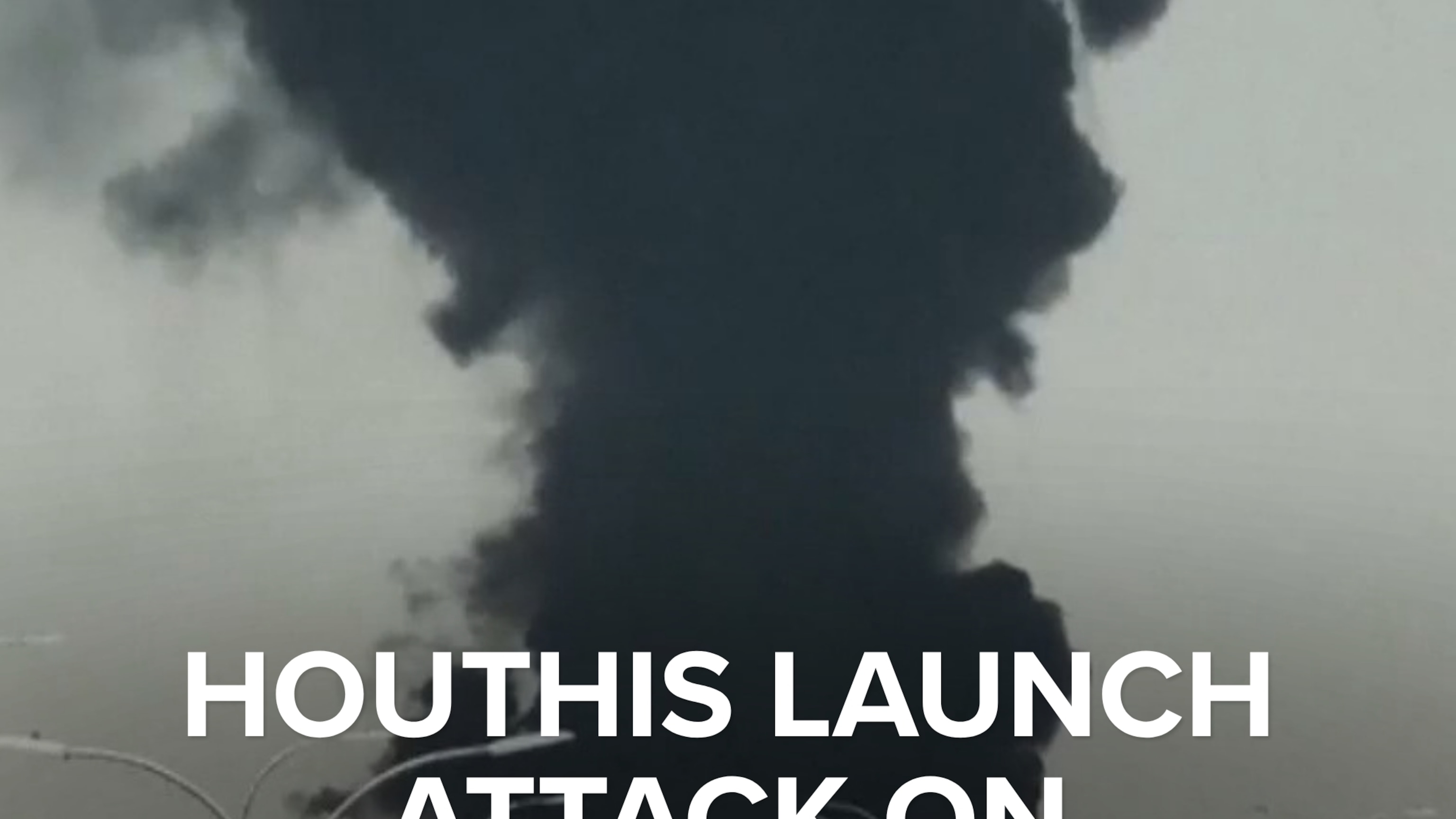
As geopolitical tensions flare in the Middle East, the situation has escalated further with Houthi rebels, supported by Iran, executing targeted attacks on pivotal oil infrastructure in Saudi Arabia’s capital, Riyadh. This troubling development coincides with the rising gas prices being felt across the United States. Let’s delve into the details surrounding these events and their potential repercussions.
Strikes on Saudi Arabia: A Closer Look
The recent strikes in Riyadh mark a significant escalation in the ongoing conflict involving Houthi rebels. These attacks focused on critical oil facilities that are vital to the Saudi economy, and they represent a direct challenge to Saudi Arabia’s dominance in the oil market. With oil production being a major part of the country’s economy, any disruption can have far-reaching consequences, not just regionally but globally.
The Houthis have been increasingly bold, launching more sophisticated operations that aim to exert pressure on a country that has long been at the forefront of Middle Eastern politics. This pattern of aggression not only serves to destabilize the region but also raises concerns about wider security implications, especially as global powers remain entwined in complex alliances and interests.
Impact on Global Oil Prices
The attacks have amplified concerns within the global oil market, contributing to soaring gas prices in the United States. As a key player in oil production, any threats to Saudi facilities tend to ripple across the global market, prompting traders to speculate on future supply and demand dynamics. With rising uncertainty, we may see prices at the pump climb higher, affecting consumers directly.
The correlation between geopolitical instability and energy prices is well-documented. Historical patterns show that conflicts in oil-rich regions lead to heightened volatility in markets around the world. As demand rebounds post-pandemic and production struggles to keep pace, these attacks could exacerbate existing supply chain issues, further inflating prices.
The Broader Geopolitical Context
The Houthi attacks highlight the broader geopolitical struggles in the Middle East, where various factions vie for influence. Iran’s backing of the Houthis is not just a local issue; it’s part of a broader strategy that pits regional powers against one another, drawing in international stakeholders. The repercussions of such conflicts extend beyond regional borders, influencing global alliances and economic conditions.
In this context, the situation calls for heightened diplomatic engagement and efforts to de-escalate tensions. As the world watches closely, the actions taken in the coming weeks and months will play a critical role in shaping the landscape of Middle Eastern politics and the global economy.
In conclusion, the recent violent escalations in Saudi Arabia underscore the fragile stability of the region and its significant implications for global oil markets. With the interconnected nature of today’s economies, it is essential to understand how these developments can impact not only local populations but also consumers and industries on a global scale.