
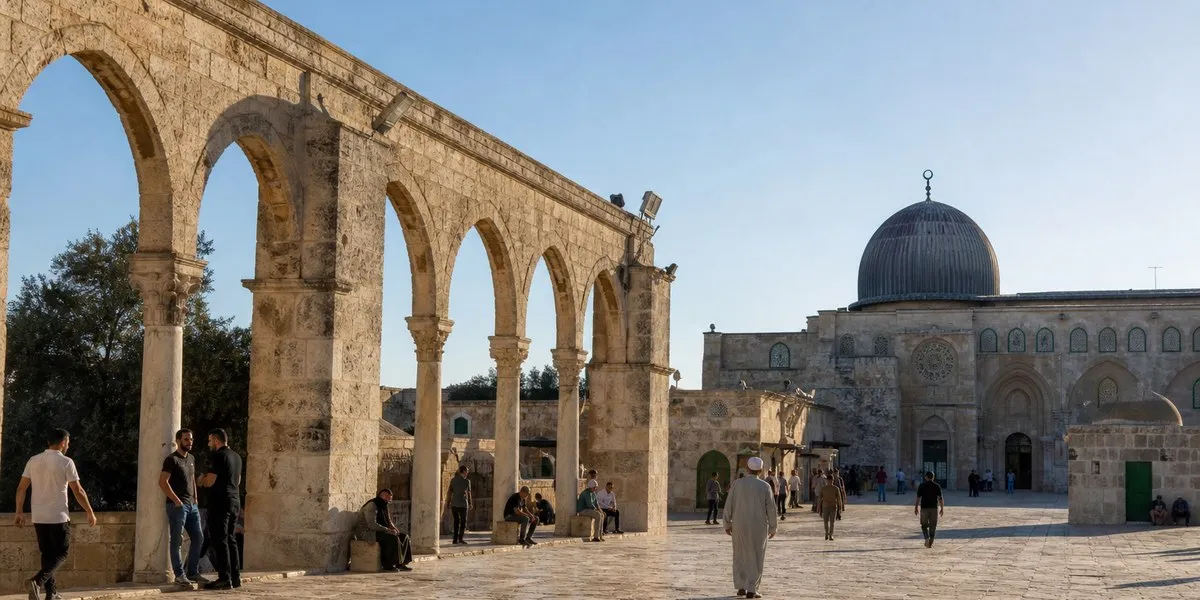
Saudi Arabia has recently expressed strong disapproval regarding the intrusion of an Israeli official and settlers into the Al-Aqsa Mosque, a significant religious site located in Palestinian territory. The Ministry of Foreign Affairs in Saudi Arabia highlighted that this incident occurred under the security of Israeli forces, which has further escalated tensions in the region.
Saudi Ministry’s Strong Response
The Saudi Foreign Ministry characterized the event as a blatant violation and an affront to Muslims globally. They categorically condemned these provocative activities, illegal actions, and the overall incitement and violence that Israeli officials have been accused of perpetrating against Palestinians and their sacred locations. This statement marks a significant stance from Saudi Arabia, reflecting its commitment to defending the rights of Palestinians and protecting their religious sites.
The ministry’s strong language underscores the serious implications of such actions. It emphasizes that the ongoing situation in the region continues to perpetuate unrest and dissatisfaction among the Palestinian people, fueling broader regional tensions. This incident, among others, serves as a reminder of the fragile situation in the Holy Land and the urgent need for attention from the international community.
International Community’s Responsibility
The Saudi Foreign Ministry called upon the global community to take decisive actions to prevent further provocations like this one. The ministry asserted that these actions not only violate basic international laws but also contravene international humanitarian principles. The call to action underlines the necessity for global bodies, including the United Nations, to intervene and advocate for peace and justice in the region.
Saudi Arabia’s statement reflects a broader concern for the rule of law and the rights of individuals living under occupation. It emphasizes the critical role of international diplomacy in addressing such disputes and safeguarding the sanctity of religious sites. The ministry’s appeal serves as both a warning and a plea for collective action against ongoing violence and disrespect toward cultural and religious heritage.
In conclusion, the tensions surrounding the Al-Aqsa Mosque incident illustrate the complexities of the Israeli-Palestinian conflict, highlighting the urgent need for dialogue and resolution. Saudi Arabia’s condemnation and its call for international support emphasize the collective responsibility to pursue peace and uphold human rights. The international community’s response to these issues will be crucial in shaping the future of stability in the region.
Staying informed about developments like these is vital, and channels like Telegram offer a platform for immediate updates and deeper insights into ongoing geopolitical matters. It’s essential to engage with credible sources to fully understand the implications of such incidents on both local and global scales.