
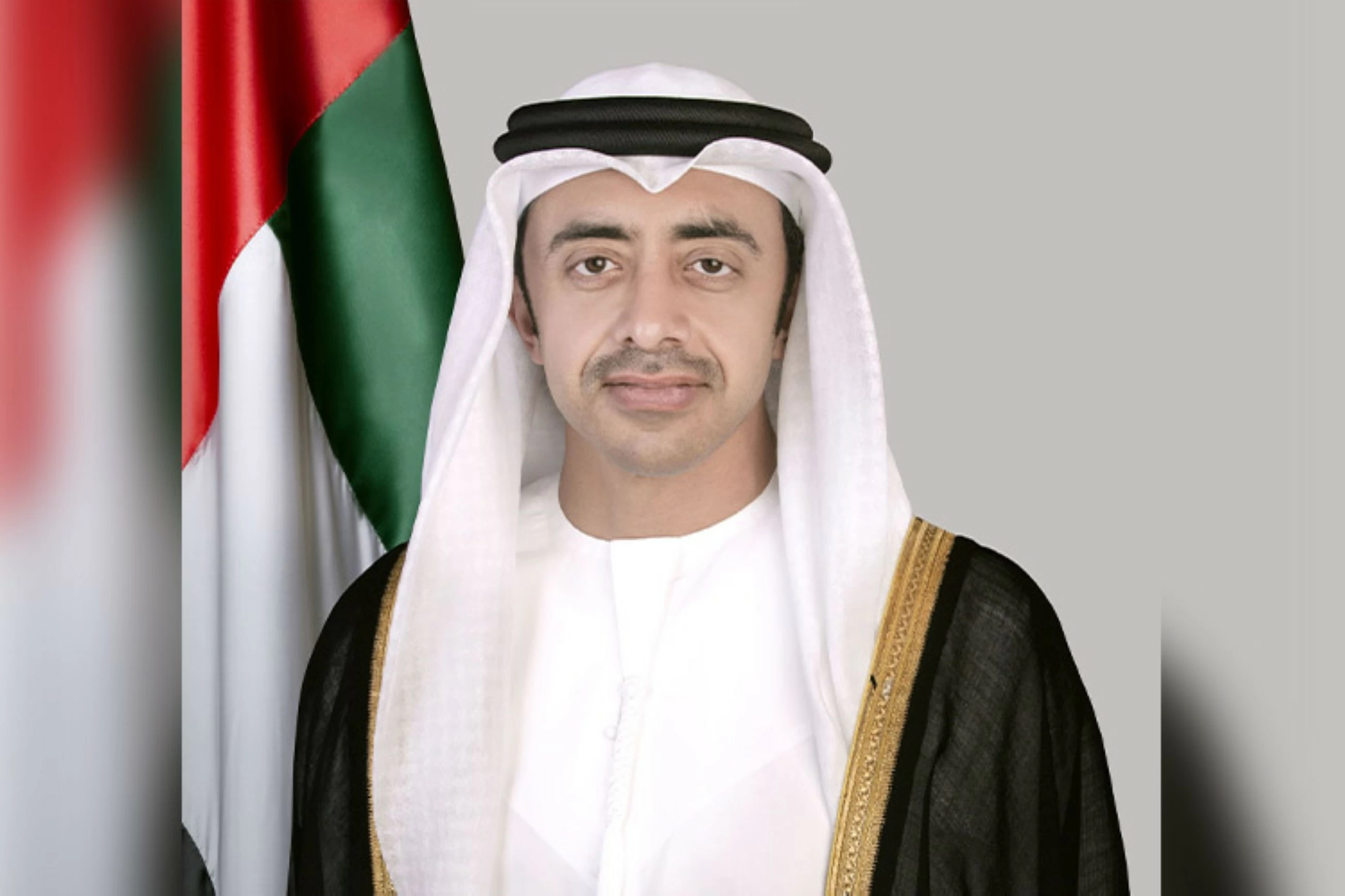
Sheikh Abdullah Bin Zayed Al Nahyan is set to head the United Arab Emirates delegation at the upcoming 81st session of the United Nations General Assembly. This significant event presents an opportunity for discussions on global issues and showcases the UAE’s commitment to active participation in international affairs.
Role of the UAE in Global Diplomacy
The United Arab Emirates has steadily strengthened its presence on the global stage over the past few years. By actively participating in multilateral entities like the United Nations, the UAE demonstrates its commitment to addressing crucial issues such as climate change, regional security, and humanitarian efforts. Sheikh Abdullah’s leadership at this year’s assembly underscores the UAE’s dedication to collaborating with other nations to foster peace and prosperity.
Additionally, the UAE’s strategic initiatives in economic diversification and sustainable development have established it as a role model for other nations in the region. Sheikh Abdullah’s involvement is likely to reinforce the UAE’s image as a pillar of stability in the Middle East, further enhancing diplomatic ties with various countries.
Key Agenda Items at the General Assembly
During the 81st session, attendees can expect discussions on vital subjects that resonate with the global community. Topics such as sustainable development goals, climate action, and global health are likely to be at the forefront of the agenda. The UAE has long championed many of these discussions, and Sheikh Abdullah’s participation will provide a platform to present the nation’s initiatives and achievements in these areas.
Sheikh Abdullah will also utilize this opportunity to address pressing international conflicts and advocate for peaceful resolutions. His experience and diplomatic acumen will play a crucial role in navigating complex discussions and building consensus among diverse nations.
The UAE’s Vision for the Future
The UAE has consistently positioned itself as a forward-thinking nation with a focus on innovation and technology. As global challenges evolve, the UAE’s vision emphasizes adaptability and collaboration. Sheikh Abdullah’s leadership will be instrumental in enunciating the nation’s plans for future challenges, including economic resilience and the role of youth in shaping a sustainable and inclusive future.
Moreover, the UAE aims to foster strong international partnerships that prioritize knowledge-sharing and technology transfer, essential for tackling the myriad challenges facing the world today. This vision aligns well with the UAE’s broader strategy to create a more interconnected and thriving global community.
In conclusion, Sheikh Abdullah Bin Zayed Al Nahyan’s leadership at the 81st session of the United Nations General Assembly is not just a symbolic gesture but a critical step for the UAE’s role in global diplomacy. His participation will facilitate meaningful dialogue on pressing global issues while reiterating the UAE’s commitment to international cooperation and sustainable development. The outcomes of this assembly could significantly impact the UAE’s standing in the international arena, making it a pivotal moment for the nation and its allies.