
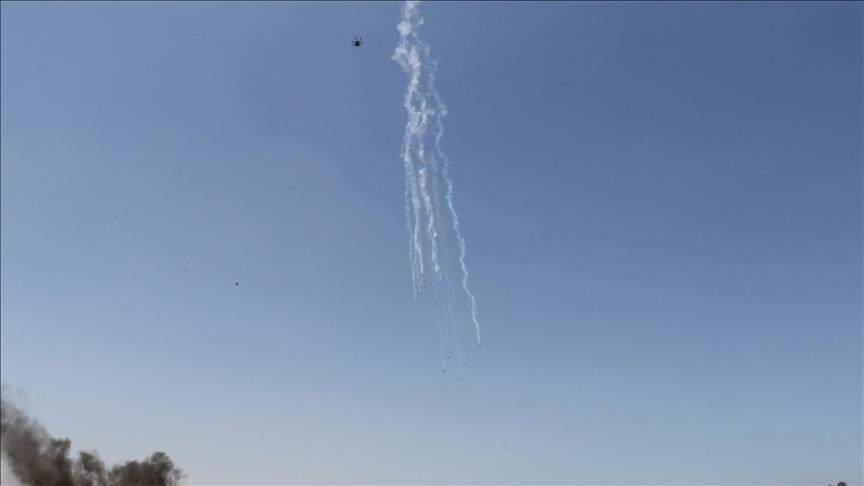
Iran’s Islamic Revolutionary Guard Corps (IRGC) has announced that it successfully intercepted and destroyed a U.S. Army MQ-1 drone over the strategic Strait of Hormuz. This incident marks a significant event in the ongoing tensions between the U.S. and Iran, highlighting the importance of drone surveillance and air defense systems in modern warfare.
Details of the Incident
According to reports from Iranian media, the IRGC utilized its advanced aerospace air defense system to execute the interception. This system is a critical component of Iran’s integrated air defense network, designed to monitor and respond to aerial threats. The MQ-1 drone was reportedly targeted during its surveillance operations in the region, underscoring the heightened military activities occurring in the Strait of Hormuz—a vital chokepoint for global oil supplies.
The IRGC claims that Washington has reinstated the use of the MQ-1 drone after sustaining significant losses in its MQ-9 fleet, which are larger and more advanced. This assertion suggests that the U.S. may be facing challenges in maintaining its aerial operational capabilities in the region, particularly in light of the heightened surveillance and military readiness displayed by Iranian forces.
The MQ-1 Drone: A Military Overview
Traditionally known as the “Beast of Kandahar,” the MQ-1 drone has a storied history, having logged approximately 20,000 flight hours in missions over Afghanistan. Although it had been phased out of active duty in favor of the more advanced MQ-9, the return of the MQ-1 to operational status indicates a shift in U.S. military strategy. In situations where drone losses have been particularly severe, the U.S. may feel compelled to utilize older technology to maintain its presence in threatening environments.
This development raises concerns about the evolving military dynamics in the Middle East, particularly regarding the capabilities of the IRGC and its willingness to use advanced defense systems against perceived threats. The IRGC’s successful interception serves as a warning, signaling both its operational readiness and its capabilities in countering foreign surveillance.
Implications for U.S.-Iran Relations
The destruction of the MQ-1 drone not only showcases Iran’s military technology advancements but also intensifies the ongoing rivalry between Tehran and Washington. As both nations escalate their military posturing, the potential for conflict increases. The IRGC’s claim of having downed an American drone acts as a powerful propaganda tool for Iran, reinforcing its national security narrative and asserting its influence in the region.
In this context, it is essential for diplomatic channels to remain open to prevent further escalations. With each incident, the risk of miscalculation grows, complicating an already tense geopolitical landscape. Monitoring developments in regional military activities will be crucial for understanding the broader implications for international relations and oil markets, particularly in light of the Strait of Hormuz’s critical role in global energy supply.
In summary, the interception of the MQ-1 drone by the IRGC marks a pivotal moment in the dynamics of U.S.-Iran relations, highlighting the importance of drone technology in modern warfare and the need for careful diplomatic engagement to avoid unnecessary escalation.