
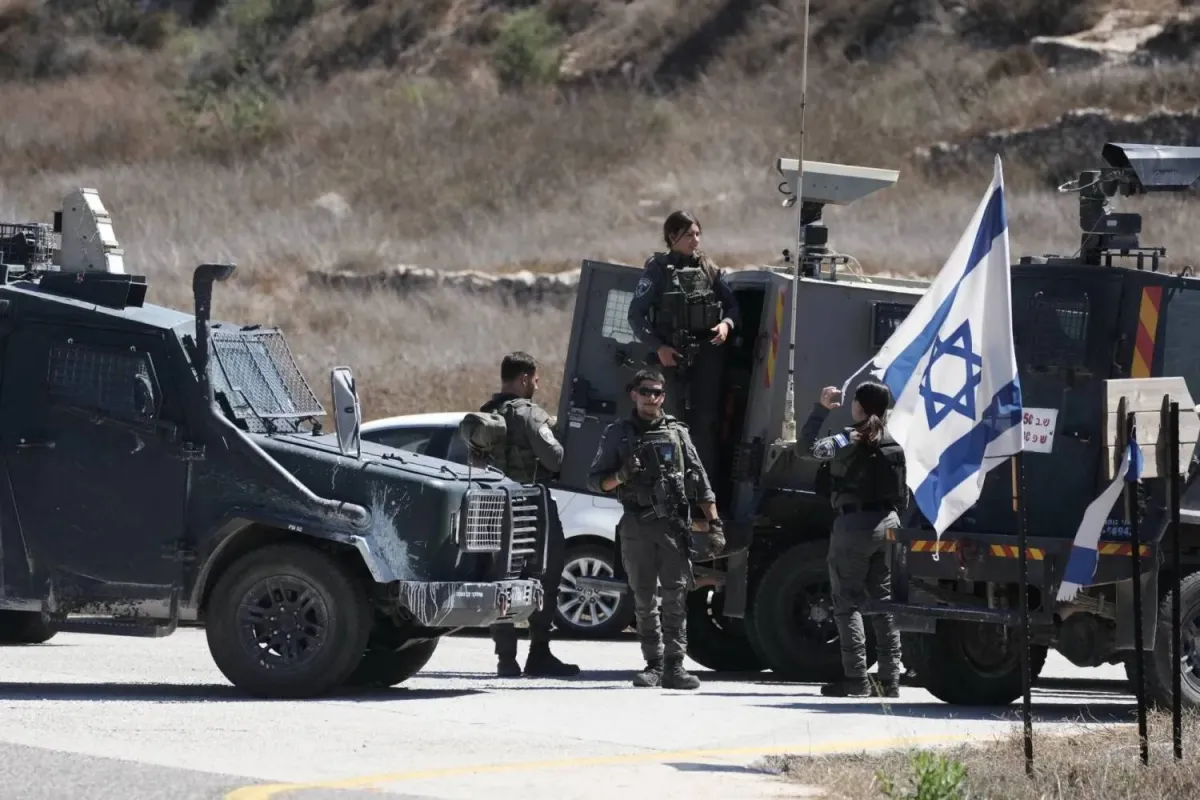
The recent escalation in military activities by Israel in the West Bank is drawing significant attention, particularly as the Jewish community prepares for Yom Kippur, a day of solemn reflection and fasting. This move underscores the highly charged atmosphere in the region, with increased tensions being reported.
Heightened Military Presence in West Bank
On Sunday, Israel bolstered its military forces across the West Bank, raising operational readiness to the highest level in anticipation of Yom Kippur, which begins on Sunday evening. Military checkpoints were established at key entrances to various villages in Jerusalem, including Battir and Wadi Fukin. Reports indicate that these measures involve isolating areas by closing access routes and digging trenches that hinder movement for local Palestinians and vehicles, intensifying feelings of confinement and unrest.
Israeli media has noted that the military is adjusting its positioning in multiple fronts, including Lebanon, Gaza, the West Bank, and Syria, amid continuous readiness to shift from ceasefires to active military engagement if necessary. Such statements raise concerns about the potential for renewed escalations in armed conflict, particularly in light of past hostilities.
Casualties and Violent Incidents
The day saw tragic violence when Israeli forces opened fire on a vehicle near Jenin, resulting in the death of a young Palestinian man and injuries to another. Emergency services from the Palestine Red Crescent Society were reportedly prevented from reaching the scene, illustrating the heightened tensions and restrictions placed on aid efforts in the area.
Further incidents of violence surfaced as Israeli settlers set ablaze a vehicle, attacked local residents, and even attempted to kidnap a child in Beit Ummar. Such actions not only contribute to escalating tensions but also underscore the fragile dynamics present in the region, where civilian life is often caught in the crossfire.
Controversial Raids and Religious Tensions
Intensifying matters, Israeli Prime Minister Benjamin Netanyahu and national security officials have conducted controversial visits to religious sites, including a raid at the Western Wall and another at the Al-Aqsa Mosque. The incursions were accompanied by Israeli security forces, leading to widespread condemnation from Palestinian authorities, who argue that such actions signify a troubling shift in the status quo regarding religious freedoms and access to these holy sites.
The Palestinian Ministry of Endowments has labeled these actions as provocations that threaten to provoke widespread anger among Muslims. With accusations of disregarding international laws regarding the protection of holy sites, they stress the need for immediate intervention from global powers to address these ongoing tensions.
Escalating Violence and Political Implications
Violence further flared in the West Bank as reports emerged of a Palestinian suspect fatally shooting an Israeli individual near a settlement. Although the suspect was apprehended shortly after, the incident has renewed discourse around the volatile security situation in the region. Israeli leaders, including Netanyahu, have called for urgent security measures, citing historic patterns of violence during Jewish holidays.
The recent pardon granted by Israel’s President to a former soldier convicted of manslaughter has also sparked outrage, drawing attention to the complexities of the Israeli-Palestinian conflict. The forgiving of an individual involved in such a contentious case raises ethical questions and could fuel further tensions in an already volatile atmosphere.
As Yom Kippur approaches, the combination of military reinforcements, violent incidents, and ongoing political ramifications highlights the critical need for dialogue and de-escalation strategies in the region. The challenges ahead underscore the importance of international attention to foster a future that prioritizes peaceful resolution over ongoing hostility.