
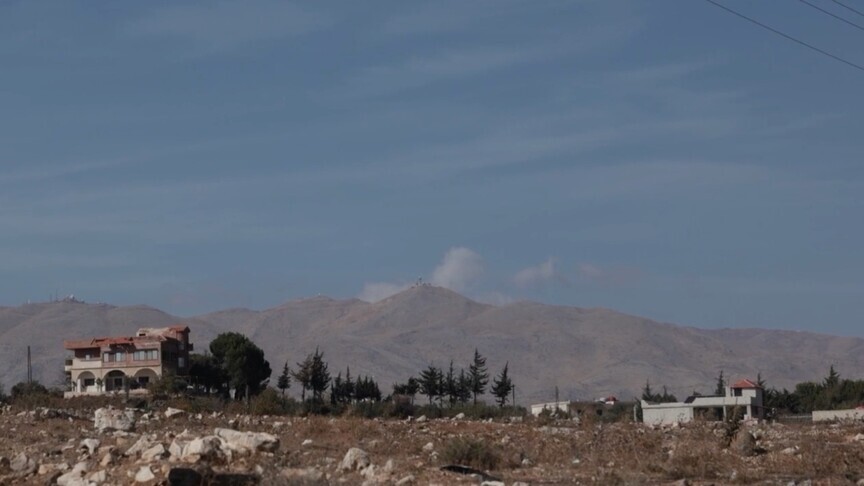
The ongoing conflict in the region has seen a surge in military actions, specifically involving Israeli forces targeting areas in Syria. This latest incursion highlights the increasing tensions and the complexities of the situation in the Syrian countryside, particularly in Daraa province.
Recent Military Engagements
On the morning of September 21, 2026, Israeli artillery and machine-gun fire were directed at various locations in the western countryside of Daraa, according to reports from the Syrian Arab News Agency (SANA). The targeted areas included the Abidin and Al-Raqqad valleys, along with the outskirts of Jamla village in the southern Yarmouk Basin. Fortunately, there were no reported injuries from these attacks, indicating a temporary reprieve for local civilians amid the hostilities.
Moreover, Israel’s military operations were not limited to Daraa alone. Just a day earlier, Israeli forces had executed two separate shelling actions in southern Quneitra province. These artillery strikes focused on areas southeast of Al-Rafid and the woodland surrounding Bir Ajam village, further illustrating a pattern of aggression in the region.
Escalation of Occupation
The attacks come in the context of Israel’s expanding occupation of Syrian territories, particularly following the fall of Bashar al-Assad’s regime in December 2024. This shift allowed Israel to seize control of a buffer zone and effectively nullify the 1974 Separation of Forces Agreement that had previously established boundaries and peacekeeping measures between the two nations. Under this agreement, a zone designed for Syrian governance was created to separate Syrian and Israeli military forces, with the UN Disengagement Observer Force (UNDOF) assigned to oversee compliance. However, that arrangement has now disintegrated, leaving the situation precarious.
Continued Threats and Military Actions
Despite the fact that the Syrian government currently poses no direct threat to Israel, the Israeli military has consistently conducted operations within Syrian territory. These incursions often lead to airstrikes, which have resulted in civilian casualties and significant damage to military infrastructure, including the devastation of Syrian army bases, vehicles, and stockpiles of weapons and ammunition. This recurrent pattern of aggression raises questions about the regional dynamics and the future of peace efforts in the area.
The continuing volatility in the region underscores the urgent need for diplomatic resolutions to the long-standing tensions. As the situation evolves, it becomes increasingly clear that any sustained peace will require a multi-faceted approach addressing not only military actions but also the underlying political issues that fuel this ongoing conflict.
In conclusion, the recent military actions by Israeli forces in Syria signify a critical juncture in a deeply entrenched conflict. With the breakdown of established agreements and ongoing hostilities, the prospects for stability remain uncertain. The situation calls for immediate international attention to mitigate further escalation and encourage a pathway toward lasting peace.