
The Evolution of American Diplomacy: A New Era of Engagement
Last week, an unusual merging of political styles occurred in the world of American diplomacy. Attendees of a recent event witnessed the unexpected clash between a Trump appointee and seasoned members of the U.S. Foreign Service, showcasing the changing landscape of statecraft. This collision not only highlighted their disparate approaches but also underscored the pressing need for strategic unity in today’s complex geopolitical climate.
Gathering for a Milestone Celebration
The setting for this notable event was one of the many postponed celebrations for America’s 250th birthday, held in the midst of ongoing geopolitical tensions, particularly concerning Iran. Tom Barrack, the U.S. ambassador to Turkey, organized the gathering, a role that previously required a team of diplomats but now seems consolidated into a single position. Barrack, a billionaire investor and presidential envoy for the Middle East, reflects the new diplomatic norm: a blend of business acumen and political influence.
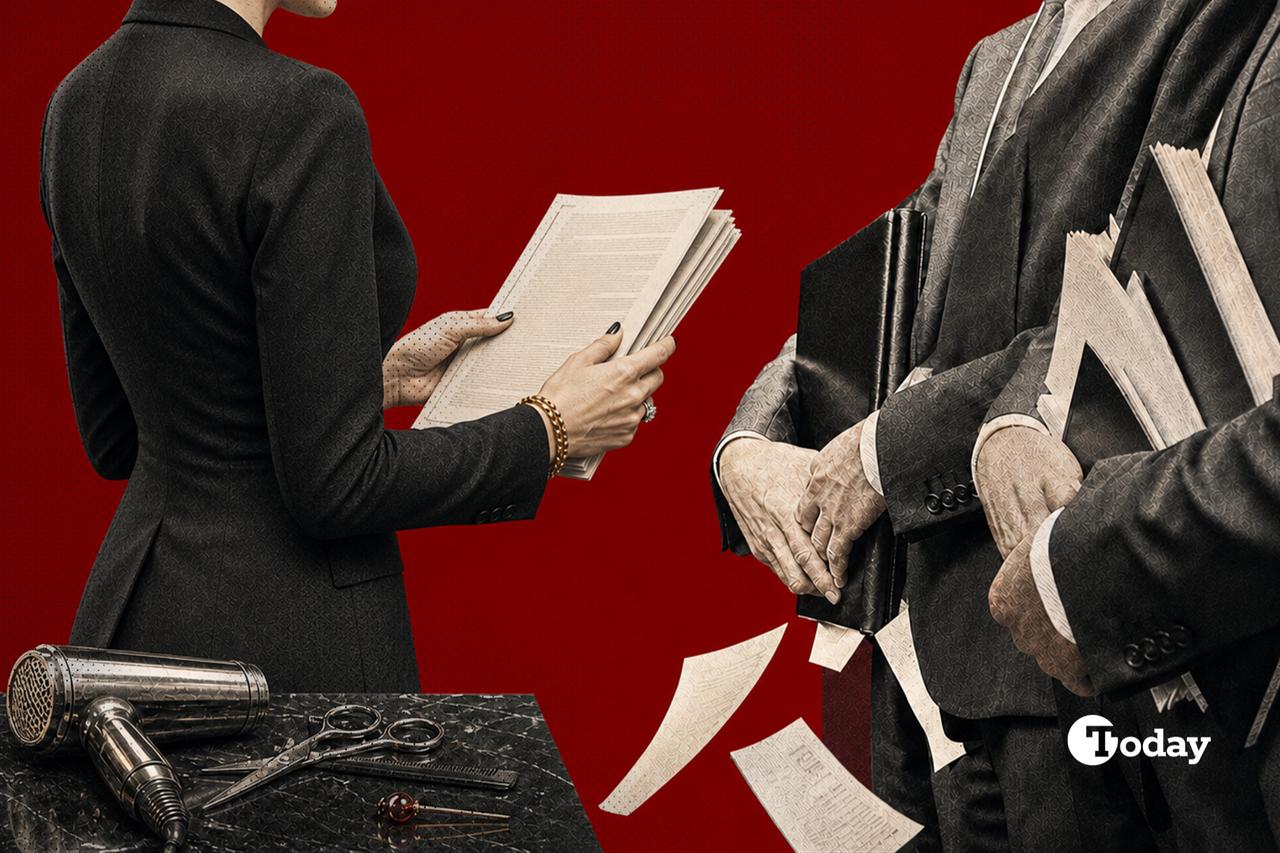
Adding another layer to this diplomatic tapestry was Mora Namdar, Trump’s Assistant Secretary of State for Consular Affairs. A lawyer and former Near East policy official, Namdar is also the daughter of Iranian immigrants and an entrepreneur who founded a beauty business in Dallas. This multifaceted background positions her as a unique figure within the traditionally staid realm of foreign service, where historical statesmanship has often taken precedence.
A Clash of Styles
Namdar’s entrance at the reception was nothing short of electrifying. As she rushed into the room, her energetic presence seemed to overwhelm the gathering of diplomats, who appeared taken aback by her approach. With a focus on inspiring others, she shared key lessons from her career, emphasizing the importance of ambition and dreaming big. Although her motivational talk resonated with some, a few Turkish attendees seemed puzzled, perhaps interpreting her message as a new prerequisite for NATO membership.
In stark contrast stood the seasoned Foreign Service officials, represented by a composite character named Arthur. With three decades of experience, Arthur epitomizes the traditional diplomat, adept at navigating various crises yet seemingly blindsided by Namdar’s dynamic approach. His attempts to articulate America’s commitment to Turkey fell flat amidst the more impassioned dialogue taking place in the room.
The Changing Face of Diplomacy
As the evening progressed, Namdar’s engaging narrative about a lighthearted encounter with Bill Clinton drew the attention of even the most devoted career diplomats. The story blurred the lines of conventional diplomacy, showcasing a blend of personal anecdotes and political ambition that typically remains undercurrents in formal discussions. For the seasoned diplomats, the situation was reminiscent of a classic diplomatic juncture but lacked the decorum usually associated with such events.
While traditional foreign service employees focus on the carefully curated briefing books filled with statistics and agenda points, Namdar represented a different paradigm – a more accessible, relatable form of diplomacy that emphasizes personal connections and narratives. This evolution has sparked a broader debate: is the intricate art of diplomacy shifting from formal expertise to a more interactive, personality-driven approach?
In conclusion, the reception illustrated the significant transformation in American diplomacy, reflecting a shift from an era defined by traditional statesmen to one characterized by business leaders and appointees who value personal connection. As the nation navigates this new diplomatic frontier, one must consider whether this change will enhance or complicate international relations moving forward. The emergence of personalities like Mora Namdar suggests that the future of American diplomacy may hinge less on established protocols and more on strategic storytelling that resonates across cultural divides.