
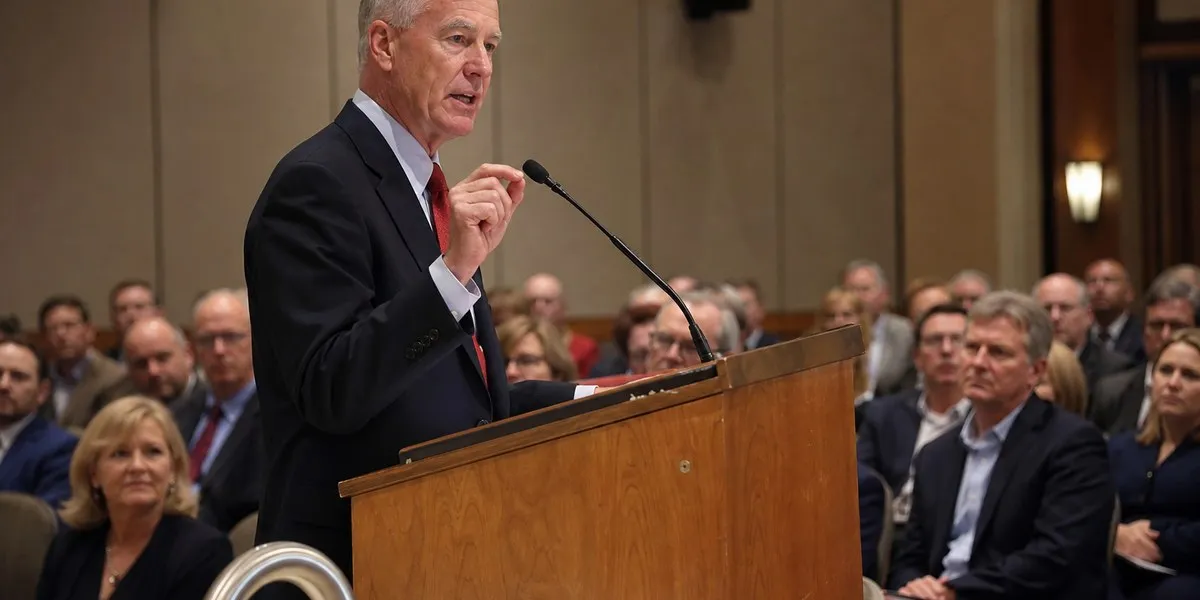
Senator John Kennedy of Louisiana recently suggested that the United States could potentially withdraw from its military engagement in Iran within a six-month timeframe. Speaking in Nebraska, he showed support for Senator Pete Ricketts while highlighting the adverse impacts of the ongoing conflict, particularly rising oil and fertilizer prices due to the war.
### Kennedy’s Perspective on Withdrawal
According to reports from The Hill, Senator Kennedy expressed optimism regarding the U.S. achieving its objectives in Iran, although he did not specify what those objectives were. He anticipates that once U.S. forces pull out, there will be a noticeable drop in oil prices and inflation. Additionally, Kennedy indicated that if Ricketts and other Republican allies secure election victories, they would implement policies aimed at alleviating the cost of living for everyday Americans. The war has now extended beyond six months, in stark contrast to President Trump’s earlier prediction of a one-month duration. Currently, there are no visible signs indicating a forthcoming resolution to the ongoing hostilities.
### Impact on Fuel Prices
The conflict has considerably affected fuel prices in the United States, particularly due to Iranian military actions that have restricted shipping through the vital Strait of Hormuz. The American Automobile Association reported that the average price of regular gasoline surpassed $4.48 per gallon, marking a 37-cent increase over the past month and approximately $1.50 higher than before escalated U.S. and Israeli military actions against Iran began.
In light of the rising costs, the Pentagon reported to Congress that the financial toll of the conflict escalated from $37.5 billion in July to $42 billion in the following month. This significant increase has prompted discussions and legislative actions aimed at constraining President Trump’s military powers concerning Iran. Just last week, the House of Representatives passed a third war powers resolution addressing this issue, reflecting growing concerns over the financial and humanitarian ramifications of prolonged military involvement.
### Future Considerations
As discussions about a potential withdrawal and its economic implications continue, the focus remains on how such a decision might affect both domestic and international markets. Analysts suggest that a strategic exit could lead to stabilizing fuel prices and provide relief to consumers struggling with inflation. However, the path to withdrawal remains uncertain, as geopolitical dynamics in the Middle East are complex and could shift unpredictably.
Moving forward, the engagement of Republican lawmakers will be crucial in shaping policies that could impact the economy and military strategy. The focus on reducing the cost of living may resonate with constituents facing rising prices, but the effectiveness of these policies relies on a commitment to a clear and coherent exit strategy from foreign conflicts.
In conclusion, while Senator Kennedy’s remarks provide a glimpse into the Republican agenda regarding U.S. military engagement in Iran, the situation remains fluid. Continued public discourse and legislative action will likely play key roles in determining the future direction of American foreign policy and its effects on domestic economic conditions.