
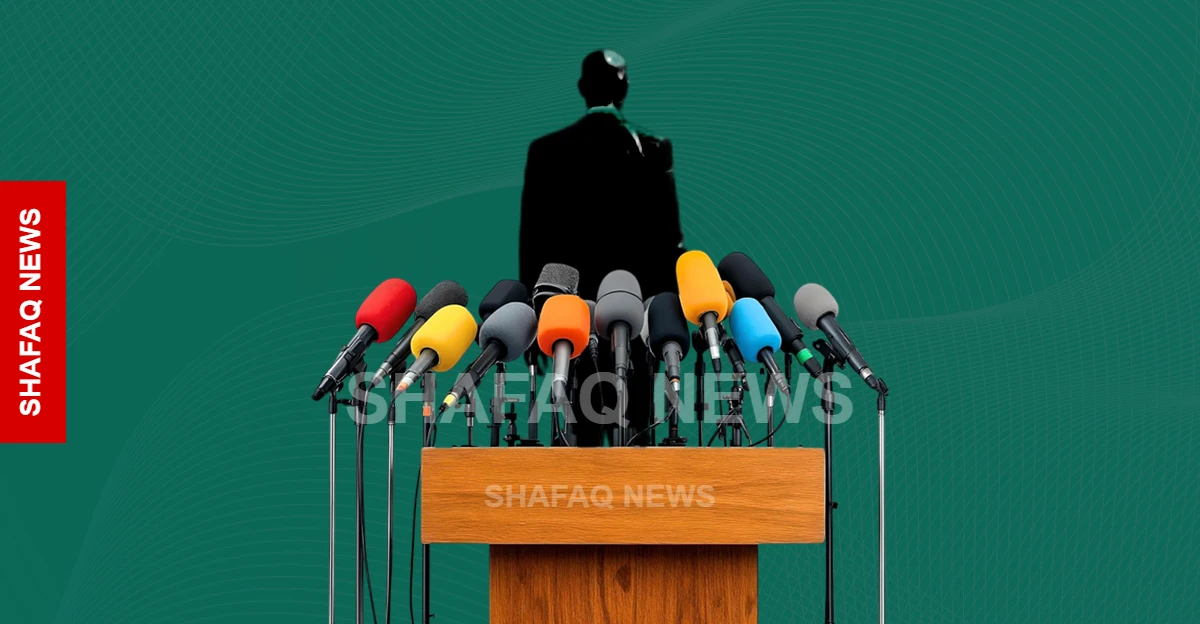
Iraq has recently revised its regulations concerning the media interactions of government officials, presenting significant implications for how information is disseminated within the nation. Prime Minister Ali al-Zaydi’s directive now mandates that officials and advisers must seek approval from his office prior to any media engagements. This move aims to ensure a unified official message and mitigate any statements that could misconstrue the government’s stance.
Objective of the Regulations
The intention behind the new rules is to provide clarity regarding who is permitted to speak on behalf of the government, thereby reducing the chances of conflicting narratives. According to Iraqi lawmaker Imad Yohana, this directive primarily targets advisers affiliated with the Prime Minister’s office. The goal is to maintain a cohesive outlook from the government and to ensure that all public statements reflect its true position. Yohana emphasized that while this approach regulates media appearances by government representatives, it doesn’t necessarily infringe upon freedom of expression.
Impact on Journalists and Media Access
For Iraqi journalists, the ramifications of this directive are significant. Often confronted with challenges in obtaining timely information from official sources, reporters may find it even more difficult as fewer officials gain permission to speak. This restriction poses a risk of leaving journalists reliant on outdated statements or unofficial channels for current information. The situation raises pressing concerns about how media professionalism will be upheld if access to credible sources dwindles. During these times, organizations might need to revert to reporting based on third-hand accounts rather than direct responses from officials, potentially compromising accuracy.
Concerns Over Media Regulation
The recent measures come amid broader regulatory actions by Iraq’s Communications and Media Commission aimed at moderating the statements made by politicians, journalists, and analysts. Such regulation has included temporary bans on media appearances that can extend up to 90 days and warnings to various media outlets for purported broadcasting violations. Hadi Jalo Marai of the Iraqi Journalists Syndicate noted that while it is essential to maintain the integrity of media regulation, it must always uphold freedom of expression.
Political analyst Ali al-Bayder pointed out that while establishing guidelines for who is allowed to speak and what topics can be addressed is crucial for effective government messaging, these regulations should not evolve into a tool for control over the media landscape. He highlighted the delicate balance between necessary oversight and the risk of creating authoritarian systems.
The Role of Government Messaging
Despite these concerns, some argue that the new regulations may serve a practical purpose. Zainab Rabee, from the Al-Nakheel Center for Press Freedoms, argued that requiring prior approval ensures consistency in government communications. She posited that conflicting remarks from various officials can confuse journalists and undermine the credibility of reporting. Coordinated messaging can thus help media outlets portray the government’s official stance accurately.
Television presenter Enas Halim also supported the idea of structured government messaging, explaining that inconsistent statements can distort public perception of the government’s reliability. By mandating that advisers consult with the Prime Minister’s media office before speaking, a clearer and more unified message can be conveyed, thereby enhancing public understanding of government positions.
In summary, Iraq’s new regulations concerning government officials’ media appearances underscore the tension between the need for cohesive communication and the preservation of journalistic freedom. As these changes unfold, the ongoing dialogue about media rights and government authority continues to shape Iraq’s media landscape.