
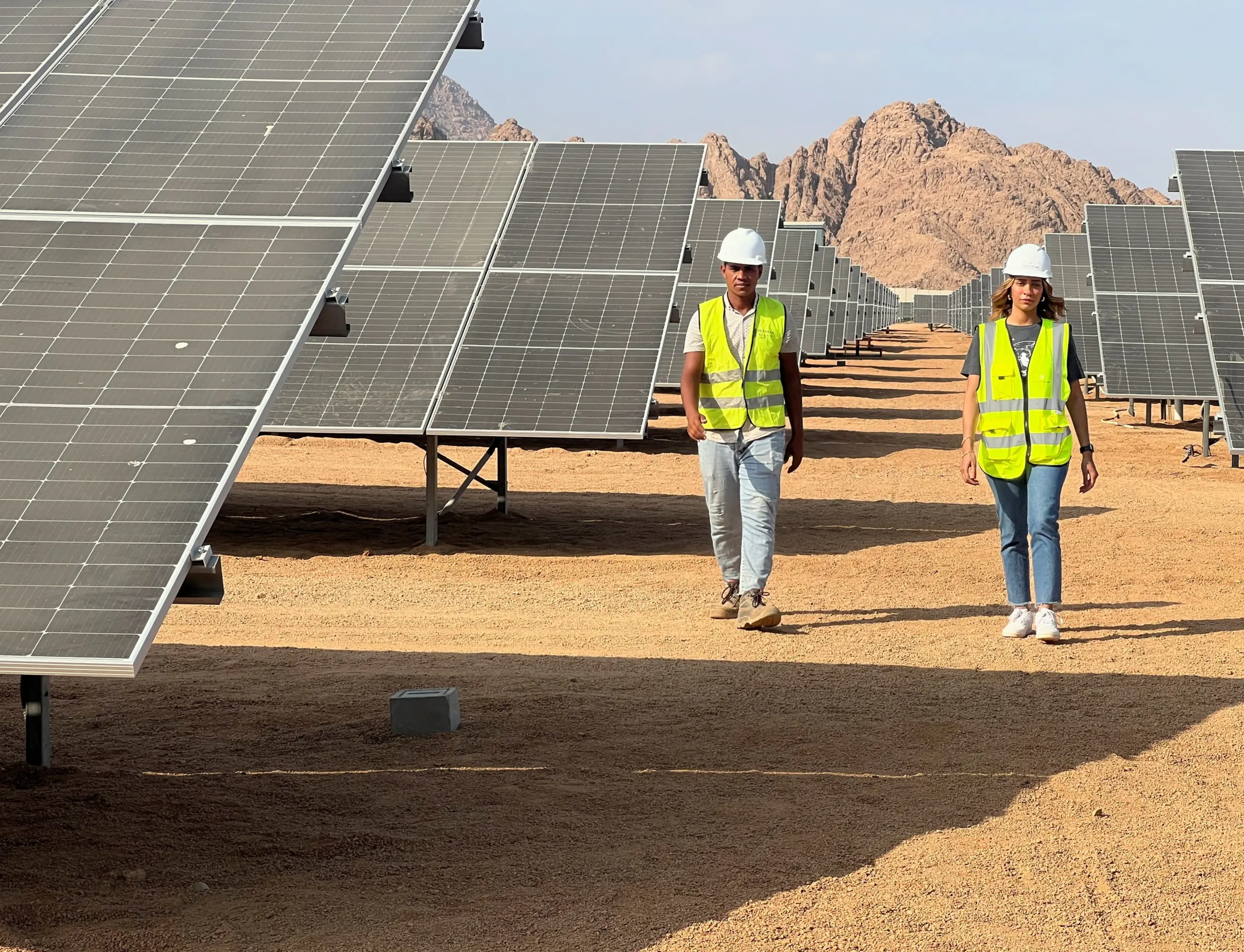
Egypt’s commitment to enhancing its power infrastructure is becoming increasingly apparent as the nation focuses on the integration of renewable energy sources. The Minister of Electricity and Renewable Energy, Mahmoud Esmat, recently spearheaded an initiative to upgrade the national power grid, aiming to effectively absorb new capacities from solar and wind resources while implementing battery storage solutions.
Strategic Planning for Grid Enhancement
During a recent meeting with the ministry’s strategic committee, Esmat emphasized the importance of developing scenarios to ensure the resilience of the national grid. This comes in response to the significant surge in electricity demand experienced during the previous summer months. The discussions centered around optimizing the grid’s performance while simultaneously reducing its dependence on fossil fuels, which aligns with Egypt’s broader environmental goals.
Esmat highlighted that the process of grid development is continuous, underscoring the lessons learned from the recent summer’s challenges. He mentioned the successful adaptation of the power grid to manage increased loads, highlighting the need for ongoing monitoring and evaluations. The framework established last summer has proven effective, allowing the grid to handle unprecedented consumption levels.
Integration of Renewables and Energy Storage Initiatives
The meeting also focused on the timelines for connecting new solar and wind projects to the grid, alongside the technical requirements needed for expanding generation capacities. Esmat took stock of the progress on energy storage initiatives that utilize battery technology. These projects aim to incorporate both standalone systems and those linked directly to renewable energy facilities, which will optimize resource utilization and help stabilize the electrical grid.
Significant figures attended the meeting, including Gaber Desouky, Chairman of the Egyptian Electricity Holding Company, and other key leaders from various sectors involved in energy management. Their presence reinforces the collaborative effort to enhance Egypt’s energy landscape, addressing operational plans designed to boost energy efficiency across both residential and industrial sectors.
A Vision for Energy Management and Sustainability
Esmat reiterated the government’s integrated vision for modernizing the national grid, aiming for operational excellence and higher service standards. He assured that electricity accessibility is a priority within the framework of the country’s sustainable development goals. With this vision, ongoing coordination with relevant authorities will be essential to ensure that the network can handle the projected increases in load over the coming years.
The proactive measures outlined during the strategic meeting indicate a robust approach to energy management. By reducing consumption and enhancing energy security measures, Egypt aims to move toward a more sustainable and efficient energy future. The focus on renewable energy, coupled with advancements in technology, positions the nation to better meet the needs of its citizens while championing environmental stewardship.
In conclusion, the ongoing developments in Egypt’s electrical infrastructure underline the government’s commitment to sustainable energy. The integration of renewable resources, combined with effective energy management strategies, sets the stage for a greener and more resilient energy future for the country.