
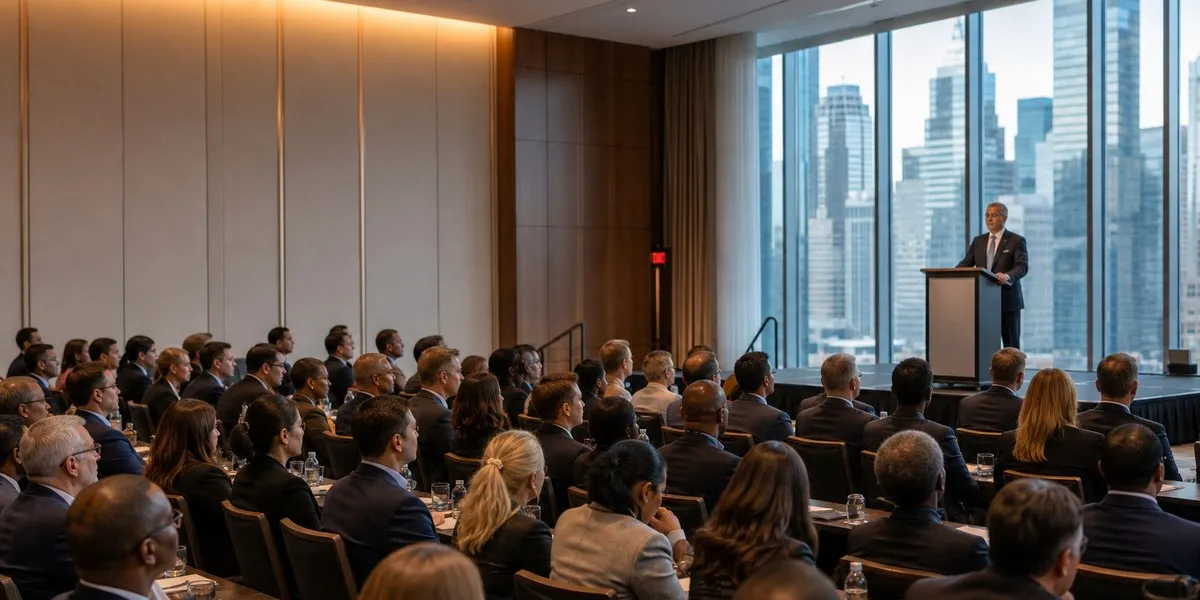
Majed Al-Ansari, an adviser to the Prime Minister of Qatar, has put forth the idea of fostering economic interdependence between Iran and the Gulf states as a strategy to enhance long-term security in the region. His insights were shared during the recent Concordia Annual Summit held in New York City.
The Need for Security Guarantees
Al-Ansari, who also serves as the spokesperson for Qatar’s Ministry of Foreign Affairs, emphasized that the Gulf states are neighboring approximately 90 million Iranians. He believes it is essential to establish a sustainable diplomatic solution for regional dialogue, irrespective of Iran’s internal dynamics and governance style. He argued that creating a framework for economic collaboration must be coupled with security assurances to protect Gulf nations from potential threats during any future tensions involving Iran.
Such security guarantees are vital to ensure that Gulf states feel safe and secure as they pursue intereconomic relations with their Iranian counterparts. Without these commitments, fears of becoming targets in military or political confrontations could hinder diplomatic efforts. Al-Ansari’s comments underscore the importance of developing trust and mechanisms that promote cooperation rather than conflict.
Shared Interests in Economic Stability
The Qatari official highlighted that the current economic landscapes of Iran and the Gulf states remain largely disconnected. By enhancing economic interactions, both regions would cultivate a direct interest in each other’s stability and overall prosperity. This interdependence could facilitate a culture of mutual respect and cooperation, which is essential for fostering a peaceful coexistence.
His remarks come at a crucial time, as discussions about Iran and Middle East security are expected to dominate the upcoming high-level debates at the UN General Assembly in New York. Calls for a new approach to relations with Iran, emphasizing dialogue and collective security among Arab states and Tehran, are gaining traction.
Future Diplomatic Discussions
In light of these dynamics, prominent figures, including Dr. Gargash, have stressed the need for innovative approaches to engage Iran. The upcoming meetings involving U.S. President Donald Trump and representatives from Gulf countries, along with Iraq and Jordan, could lead to significant advancements in diplomatic relations. These discussions are essential not just for addressing immediate concerns but also for laying the groundwork for a stable and cooperative regional security architecture.
As both sides work towards potential agreements, the overarching aim remains clear: strengthening bonds that can lead to lasting peace and stability in the region. By focusing on economic interdependence backed by security guarantees, Qatar and its allies can pave a more hopeful path forward, fostering an atmosphere where diplomatic dialogue prevails over conflict.