
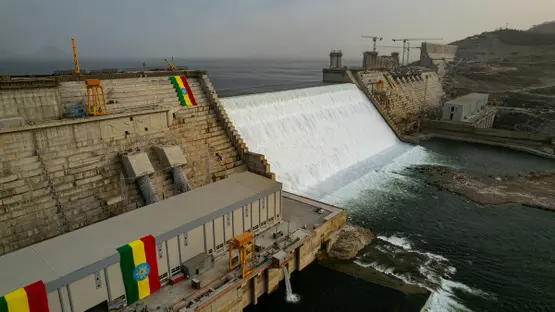
The Grand Ethiopian Renaissance Dam (GERD) has transformed into a significant geopolitical issue, drawing attention not only for its construction but also for the pressing concerns around water rights and operational regulations. Egypt’s persistent rejection of any unilateral actions by Ethiopia underscores the complexities surrounding this vital transboundary water source.
Background of the GERD Dispute
The GERD, initiated by Ethiopia, is positioned on the Blue Nile River and aims to generate electricity for its rapidly growing population. However, this ambitious project has raised alarms in Egypt, which depends on the Nile for approximately 90% of its freshwater resources. The concern arises from fears that the dam could diminish water flow, thus threatening agricultural and drinking water supplies in Egypt. As negotiations continue to stall, the stakes remain high, leading to heightened tensions among the nations involved.
Egypt’s Stance on Water Rights
Egypt maintains that any agreement on the dam’s operation must include binding regulations that ensure the equitable distribution of Nile waters. The country has consistently argued for its rights, emphasizing that unilateral actions from Ethiopia could lead to significant humanitarian and ecological crises in Egypt. Egypt’s position is rooted in historical treaties established during colonial times, which it believes guarantee its access to the Nile’s resources. With Ethiopia moving forward with its project, Egypt’s diplomatic efforts are now increasingly focused on internationalizing the issue to attract global attention and seek support.
Current Developments in Negotiations
Despite multiple rounds of talks mediated by various entities, including the African Union, a consensus remains elusive. Ethiopia’s ongoing construction of the dam and its recent declarations that it would proceed with filling the reservoir create a sense of urgency for Egypt. This situation has triggered calls from Egyptian officials for external intervention, aiming to facilitate negotiations that lead to a mutually agreeable framework for dam operation and water sharing.
The Broader Implications for the Region
The GERD dispute has broader implications, not just for Egypt and Ethiopia but for the entire region. It raises significant questions about water security, environmental sustainability, and the management of transboundary rivers in a world increasingly strained by climate change. In the light of shifting weather patterns and reduced rainfall, a collaborative approach to water management could be pivotal for the future. Effective resolution of the GERD conflict may set a precedent for other countries dealing with similar issues, fostering a cooperative spirit rather than an adversarial one.
In conclusion, as Egypt continues to reject unilateral actions related to the GERD, the focus on rights and operational rules is more critical than ever. The rising tensions and complex negotiations highlight the urgent need for dialogue and a framework that acknowledges the rights of all nations involved. The effective management of the Nile’s resources is essential not only for the countries directly affected but also for the regional stability and security of water access in the face of future challenges.