
Saudi Arabia is currently evaluating the potential for military assistance from the United States in light of recent hostile actions and threats from Iran-aligned groups. On September 11, a paramilitary organization backed by Iran launched an attack on a crucial pipeline linking the east and west of Saudi Arabia, while the Houthi rebels have been making strategic advances towards the Bab el-Mandeb Strait. This escalation highlights a concerning risk of conflict on multiple fronts for the kingdom.
Saudi Arabia’s Diplomatic Efforts at the UN
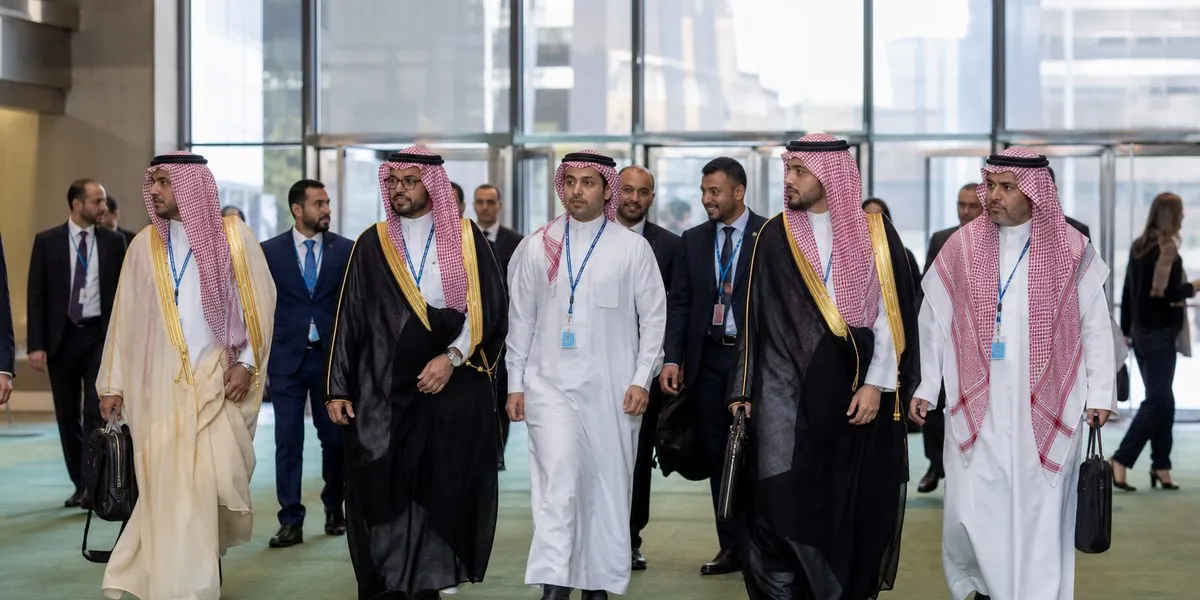
In response to the rising tensions, Saudi Arabia dispatched a delegation to the United Nations General Assembly in New York. A primary focus for the Saudi officials is to garner international support and to collaborate with the United States on strategies related to the conflict in Yemen. The delegation was led by Foreign Minister Prince Faisal bin Farhan and included notable figures like Saudi Ambassador to the U.S., Princess Reema bint Bandar, and Minister of State for Foreign Affairs, Adel al-Jubeir.
During this pivotal assembly, discussions about the ongoing threat from Houthi forces and regional stability were paramount. The diplomatic initiative underscores Riyadh’s urgency to secure allies capable of countering these challenges.
Military Assistance and Houthi Activity
The U.S. has been considering the sale of F-35 fighter jets to Saudi Arabia; however, if approved, these advanced aircraft would not be delivered for several years. Reports suggest a retreat from initial American military plans to engage Houthi targets directly, despite their increasing aggression and territorial gains in Yemen. This shift raises concerns about the kingdom’s ability to fend off Houthi threats on its own.
Since 2015, Saudi Arabia has actively participated in the Yemen conflict, primarily aimed at supporting the internationally recognized government against Houthi insurgents. In July, coordinated efforts involving U.S. Central Command successfully quelled attacks from Iraqi groups, resulting in a temporary halt of hostilities for several weeks. More recently, military sources indicated that Saudi-supported forces managed to confront and push back Houthi advances near Marib, a crucial region within Yemen.
Geopolitical Implications and Regional Stability
The ongoing situation underscores the complex geopolitical landscape surrounding the Kingdom of Saudi Arabia. With Iran’s influence seemingly extending through its proxies, such as the Houthis, Saudi Arabia is caught in a precarious position. Their strategic choices will undoubtedly affect regional stability and could have ripple effects throughout the Middle East.
As such, Riyadh’s push for military and diplomatic support from the U.S. is part of a broader effort to ensure national security and maintain influence in a contested region. The outcomes of these discussions could not only alter the trajectory of the conflict in Yemen but also define Saudi Arabia’s relations with Western allies and neighboring states.
In conclusion, as Saudi Arabia finds itself grappling with external pressures and evolving threats, the importance of strategic partnerships cannot be overstated. The kingdom’s outreach to the U.S. through diplomatic channels at the UN reflects its desire for enhanced military capabilities and coordinated efforts to mitigate the risks posed by Iran-aligned factions. The coming months will be critical in determining the future of Saudi and regional stability.