
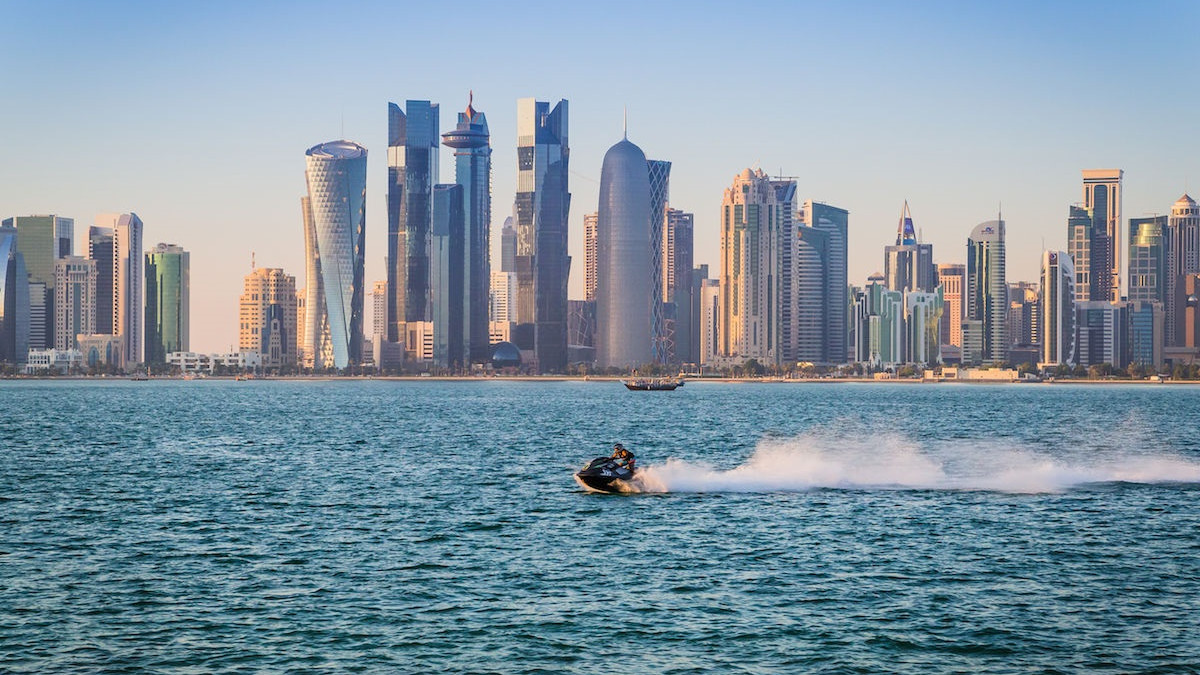
The global liquefied natural gas (LNG) market faces significant challenges as Qatar’s LNG export capacity is impacted, prompting buyers to seek alternatives. The recent Gastech event highlighted the urgency among stakeholders to secure new gas supplies amid disruptions. Notable agreements were valued at around $60 billion, showcasing the industry’s response to the ongoing disruptions affecting both Qatar and Iran.
Qatar’s Challenging Export Situation
Recent strikes have severely affected Qatar’s North Field, causing an estimated 17% reduction in LNG export capabilities. This gas field, which includes the South Pars area shared with Iran, is crucial as it contains about 25% of the world’s gas resources and meets 10% of global production. Both Qatar and Iran have suffered damage to their production and processing facilities, compounding issues for energy supply in the region. Wood Mackenzie reports that repair efforts could cost around $5.8 billion and may take up to three years to fully restore capabilities.
Impact on Global Economy and Energy Prices
The ongoing situation has reverberated through global energy markets. Energy prices recently fell, as oil dropped below $100 per barrel for the first time in weeks. Some analysts attribute this decline to U.S. diplomatic gestures involving potential meetings between President Donald Trump and the Iranian leadership, which may ease tensions. However, the broader impact of strikes on LNG exports has resulted in a 25.8% drop in Qatar’s hydrocarbon GDP year-on-year for the first quarter of 2026, anchoring the overall economy significantly lower.
Long-Term Agreements Amidst Uncertainty
In the backdrop of these developments, companies are turning toward long-term contracts to ensure future supply stability. For instance, during the Gastech conference, China Gas Holdings secured a 20-year agreement with U.S. exporter Venture Global LNG, indicating a diversification of sourcing beyond traditional regions. Another significant development involved PETRONAS and PTTEP formalizing a long-term production-sharing contract in the Malaysia-Thailand Joint Development Area, demonstrating the urgency of securing reliable energy partnerships.
Emerging Projects in Other Regions
Despite challenges in Qatar and Iran, interest in LNG projects has intensified globally. Proposed developments in Argentina, Timor-Leste, and Tanzania are emerging as potential substitutes for existing supply routes. Timor-Leste’s plans for new LNG plants reflect a growing recognition of the need for diversified energy sources. The country aims to establish facilities powered by gas from delayed Greater Sunrise fields, further positioning itself within the global LNG landscape.
As Qatar navigates through its repair timelines while simultaneously committing to an expansive LNG expansion program, the future of LNG supply remains precarious yet promising. Stakeholders must remain vigilant and adaptive as they approach global energy needs, making strategic decisions today that will impact the market far into the future. The current geopolitical climate serves as a stark reminder of the vulnerabilities in the global supply chain and the importance of diversifying energy sources to meet increasing demand.