
Iraq is currently navigating the complexities of disarmament as tensions rise among various armed factions. As the country approaches the end of September, groups aligned with Iran seem hesitant to meet a disarmament deadline that remains undefined by the Iraqi government. This situation complicates not just the political landscape but also the legal status of the Kurdistan region, creating a multifaceted crisis that requires urgent attention.
The Uncertainty of Disarmament Deadlines
With the deadline for disarmament looming, the ambiguity surrounding what constitutes ‘disarmament’ has created confusion. Various armed groups are interpreting this term differently, leading to a lack of clarity that only compounds the existing tensions. The Iraqi government itself appears uncertain, with officials sending mixed signals about when and how disarmament should take place. This ambiguity complicates the potential for reaching a consensus among the factions involved, significantly impeding efforts toward establishing long-term peace.
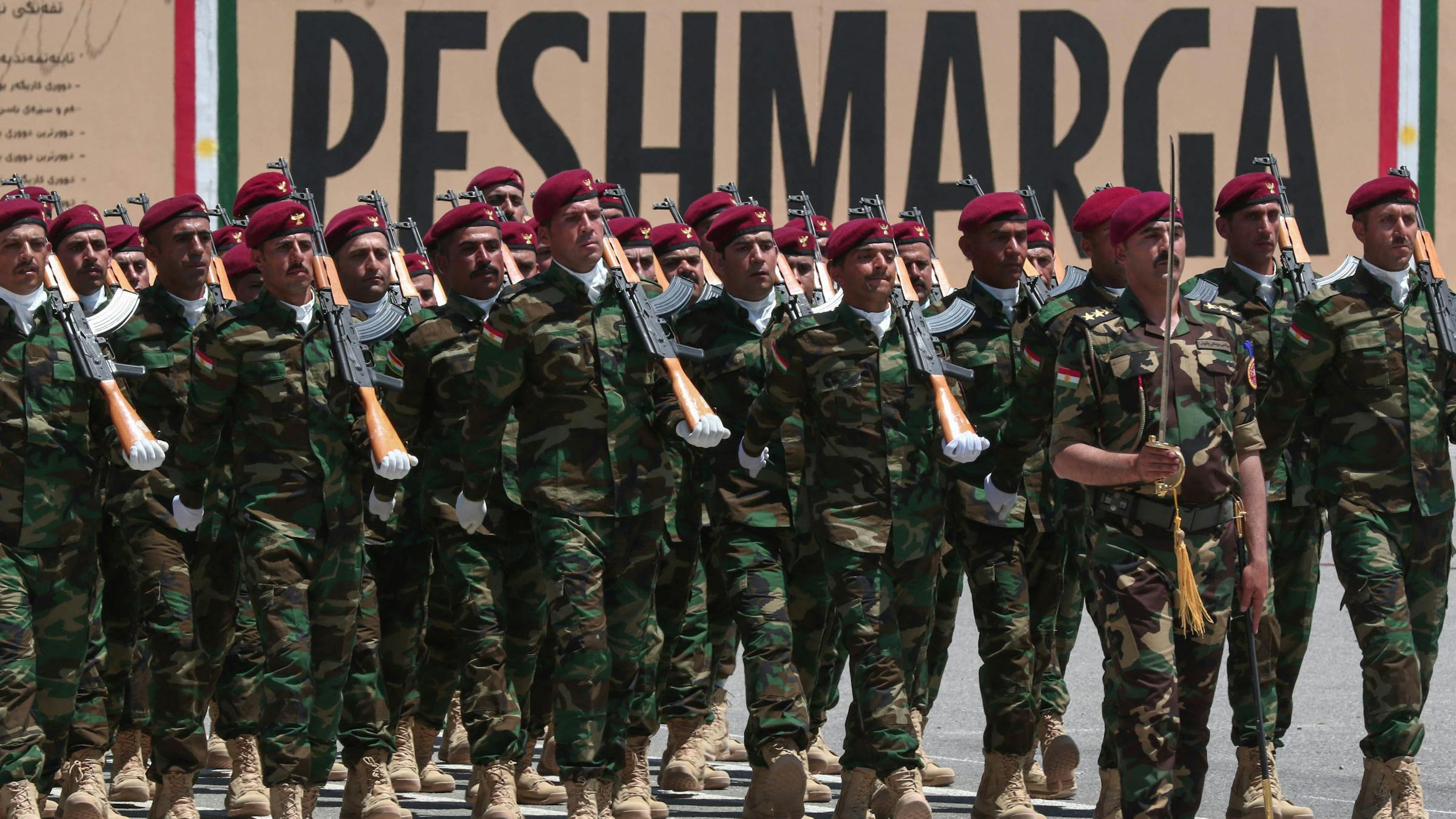
The Role of Iraqi Kurdish Peshmerga Forces
In addition to the challenges posed by armed groups, some factions are advocating for the dissolution of the Kurdish Peshmerga. This call has far-reaching implications for the legal and political status of the Kurdistan region within Iraq. By questioning the legitimacy and presence of these forces, these factions are not just targeting military personnel but are also attempting to reshape local governance. This move further complicates dialogue between Baghdad and Kurdish authorities, jeopardizing any potential for a united approach toward disarmament.
The Impact of Iran-Backed Militias
Iran-backed militias have a considerable influence on Iraq’s political landscape. Their hesitance to participate in disarmament contributes to a culture of uncertainty and mistrust, and the question arises: are these factions serving Iraq’s best interests? The continued presence and reluctance of these groups not only hinder progress but also spotlight external influences impacting Iraq’s sovereignty. The Iraqi government must navigate this treacherous terrain, balancing internal stability with external pressures.
The Path Forward
To foster a more stable environment, a clear and unified definition of disarmament is essential. The Iraqi government needs to communicate effectively and establish solid timelines for the different factions involved. This clarity may help prevent misinterpretations and facilitate compliance. Equally important is open dialogue with the Kurdistan region, ensuring that all parties feel included in the disarmament process. By taking these steps, Iraq can begin to build a foundation for lasting peace and stability, moving beyond mere militaristic concerns to address governance and community well-being.
In conclusion, the road to disarmament in Iraq is fraught with challenges. Factors such as ambiguity in government messaging, the strategic importance of the Peshmerga, and the role of Iran-backed militias complicate efforts toward achieving peace. Navigating these complexities requires a comprehensive approach, where clear guidelines, open dialogue, and a commitment to unity can lay the groundwork for a more peaceful Iraq. Addressing these elements effectively could yield significant dividends for all parties involved, ultimately contributing to national stability.