
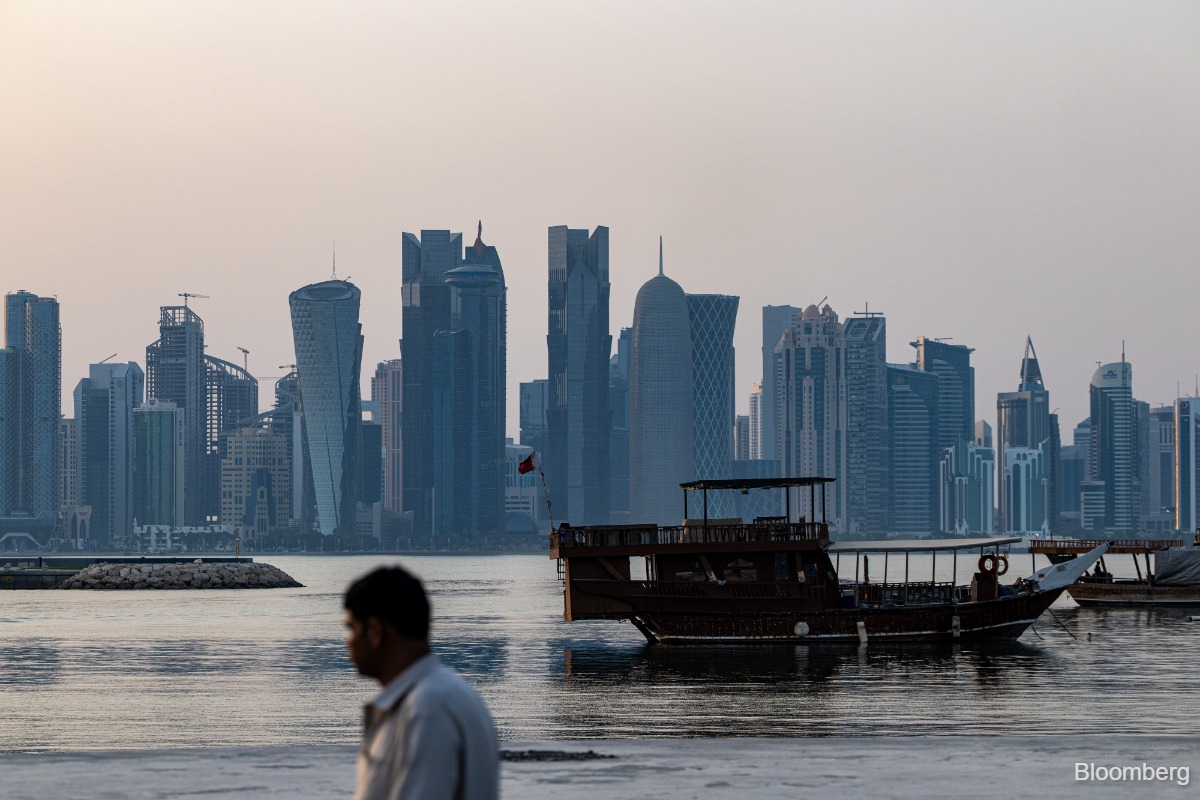
On September 22nd, Qatar successfully raised $3 billion through its initial public international bond offering of the year, a critical financial move as the nation navigates the adverse economic impacts of the US-Iran conflict.
Strong Demand for Qatar’s Bonds
This bond issuance generated significant interest, attracting over $7.7 billion in orders at its peak. However, this figure later adjusted to around $6.8 billion. Confidential sources, who requested anonymity, confirmed that despite the initial surge in demand, the final bids settled at a lower amount. The government is focusing on stabilizing its economy amid rising fiscal challenges, particularly following a noticeable drop in liquefied natural gas (LNG) exports.
The Impact of Geopolitical Tensions
The ongoing conflict and the effective blockade of the Strait of Hormuz have particularly strained Qatar’s economy, which relies heavily on this waterway for its LNG exports. Recent data reveals a staggering decline in export revenues, plummeting from $9 billion in the first quarter to just $200 million in the second quarter. As a result, the government opted to issue five- and ten-year bonds, with the shorter-term bonds priced at a spread of 55 basis points over US Treasuries and the longer ones at 65 basis points. Both offerings were significantly more advantageous than Qatar’s initial pricing guidance.
Economic Forecast and Budget Deficit
Despite its substantial resources, including a wealth fund valued at around $580 billion and over $70 billion in foreign-exchange reserves, Qatar’s economic outlook remains troubling. A recent Bloomberg survey predicts a dramatic contraction of 12.1% for the economy in 2026, positioning Qatar with the worst forecast among the surveyed nations. Furthermore, the government’s budget deficit reached an alarming $5.8 billion during the second quarter, equivalent to 11.4% of the quarterly GDP—representing the most considerable shortfall on record. A year-on-year analysis indicates a staggering 57% drop in government revenue, primarily driven by a lack of hydrocarbon receipts.
The Path Forward
Qatar’s Finance Minister, Ali Al-Kuwari, emphasized the necessity for a respite from ongoing conflicts to enable the nation to refocus on its economic diversification agenda. During a recent economic forum in New York, he expressed optimism for a peaceful resolution and a new deal. In line with this sentiment, Qatari Energy Minister Saad Al-Kaabi reinforced the critical importance of fully reopening the Strait of Hormuz, dispelling notions that its strategic significance could diminish rapidly.
Despite some oil and LNG shipments continuing through the Strait, these operations rely significantly on US military support, and overall volumes remain substantially lower than pre-conflict levels. The prospect of renewed peace negotiations between the US and Iran appears bleak, further complicating Qatar’s economic recovery efforts. The bond issuance, managed by prominent financial institutions such as Goldman Sachs and HSBC, exemplifies Qatar’s ongoing commitment to stabilize and strengthen its financial position in these challenging times.