
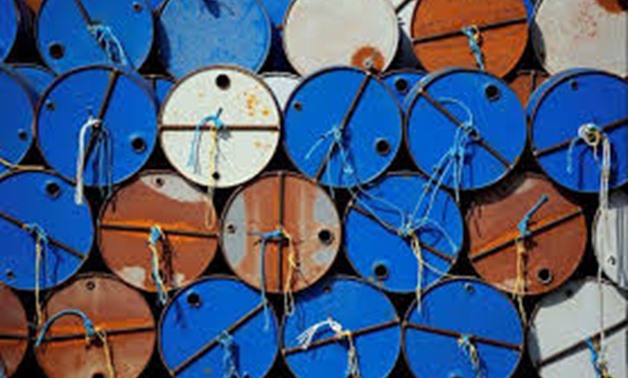
Egypt is set to establish a significant strategic crude oil reserve valued at approximately $1.36 billion by the close of 2026. This initiative aims to fortify the nation’s energy security, with plans to source 16 million barrels from neighboring Libya and Iraq, as reported by a government official to Asharq Bloomberg.
Details of the Strategic Reserve
The planned oil reserve will consist of around 10 million barrels obtained from Libya and 6 million barrels from Iraq. Importantly, these quantities are earmarked specifically for strategic stockpiling rather than for meeting Egypt’s ongoing monthly crude requirements. As of August, Egypt commenced receiving Libyan crude for this reserve and has already taken in about 3 million barrels. The remainder of the crude from Libya is scheduled to arrive over the next three months, with the delivery program expected to continue until December.
The agreed-upon price stands at approximately $85 per barrel, which sums up to an estimated total value of $1.36 billion. This figure does not account for additional costs related to transportation, storage, or insurance. For context, Egypt’s standard crude oil supplies average around 7 million barrels monthly, indicating that this strategic reserve would equate to roughly 2.3 months’ worth of regular supplies.
Significance of the Reserve
A government representative indicated that the establishment of this reserve will serve as a vital buffer for Egypt’s refineries. It helps to safeguard against potential disruptions or delays in shipments of crude oil, thereby contributing to the stability of the energy sector. Additionally, by diversifying the sources of crude, Egypt aims to strengthen its energy independence.
The government is also prioritizing improvements in refinery utilization and increasing the domestic production of petroleum products. These efforts are pivotal in curtailing import expenses and addressing local market demands for fuel. According to OAPEC statistics referenced by Reuters, Egypt’s nominal refining capacity was around 829,000 barrels per day by the end of 2025.
Context and Future Outlook
This strategic initiative comes at a time when global oil markets experience significant disruptions impacting crude production, refining, and tanker operations. In response, Egypt is not only working on expanding its strategic reserves of petroleum products but is also focused on boosting domestic crude output and increasing exploration activities. By taking these steps, the country aims to lessen its dependency on imports and enhance its self-sufficiency in energy matters.
In conclusion, Egypt’s plans for a strategic crude oil reserve signify a strong commitment to energy security and economic stability. Through synergies with neighboring oil-producing nations and a clear focus on domestic production improvements, the country aims to position itself more favorably within the turbulent global oil landscape. This proactive approach will likely bolster the nation’s resilience against international supply chain fluctuations and market volatility in the coming years.