
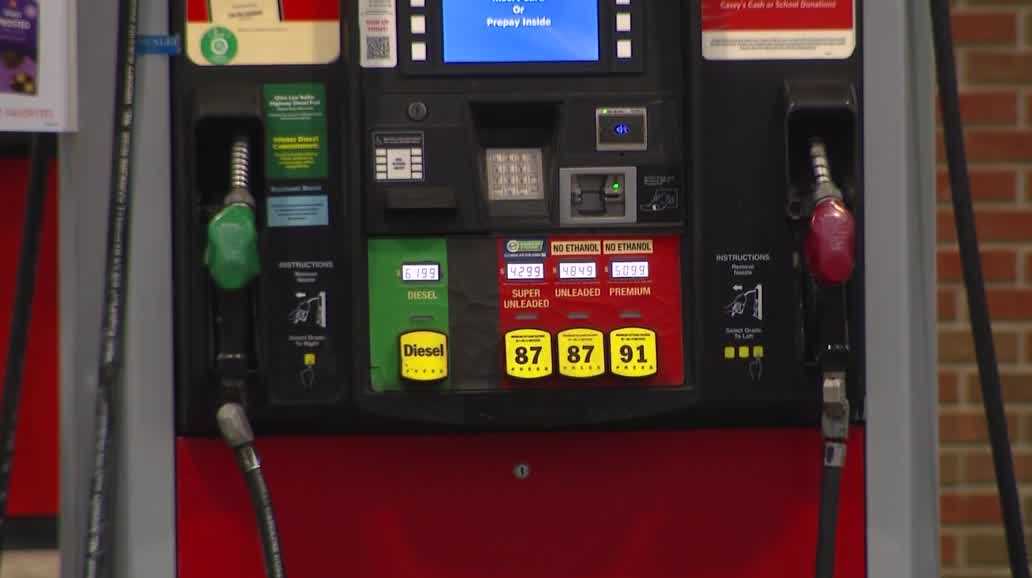
Iowa’s Republican congressional leaders are advocating for President Trump to take action in reducing diesel prices, a significant issue impacting many constituents across the state. However, they are divided on the larger matter of military involvement in Iran, reflecting varying perspectives within the party on foreign policy.
Concerns Over Rising Diesel Prices
In recent months, diesel costs have surged, putting a strain on farmers and truckers who rely on this fuel for their operations. As Iowa is a leading agricultural state, the high price of diesel can affect both productivity and profit margins. With the current economic climate, legislators are emphasizing the need for immediate solutions to alleviate these costs. They believe that by working with the administration, they can formulate strategies that would not only bring down prices but also ensure long-term stability for the farming industry.
Many farmers have reported that the increasing fuel prices ultimately lead to higher expenses for goods transportation, contributing to a cascading effect on consumers. This situation has prompted leaders in Iowa to intensify their calls for action, recognizing that diesel fuel is essential for maintaining the supply chain.
Divided Opinions on Foreign Policy
While the focus on diesel prices unites Iowa’s Republicans, the party’s stance on military engagement in Iran is less cohesive. Some members advocate for a strong U.S. presence in the region to combat threats, while others argue for a reevaluation of America’s role overseas. This discord highlights a deeper ideological divide within the party, as some members prioritize domestic concerns over international military commitments.
The ongoing debate raises critical questions about America’s foreign policy strategy, particularly in a time when domestic issues are at the forefront of political discussions. As the Iowa Republican delegation navigates these complex issues, the decisions made could have lasting implications, not only for their constituents but also for the national party’s direction.
Potential Implications for Voter Sentiment
Voter sentiment in Iowa appears to be swaying in favor of more domestic-focused policies, especially in the wake of rising fuel costs. The constituents are concerned not only with the economic repercussions of high diesel prices but also with how their representatives address foreign issues. As these topics become intertwined, it is critical for Iowa’s Republican leaders to strike an effective balance that addresses the immediate needs of their voters while still taking a stance on foreign matters.
How the party responds to these challenges could influence the political landscape in future elections. With a significant number of voters invested in agriculture, a responsive approach to diesel prices will likely resonate more positively with constituents than foreign policy debates that may seem detached from their daily lives.
Conclusion: Navigating Challenges Ahead
In conclusion, Iowa’s Republican leaders face a crucial balancing act between their obligations to constituents yearning for lower diesel costs and the internal divisions on foreign policy. The path forward will require strong communication, strategic planning, and a commitment to addressing the pressing needs of Iowans. By focusing on domestic issues while also offering thoughtful perspectives on international matters, they may successfully bolster their support as they navigate these complex political waters.