
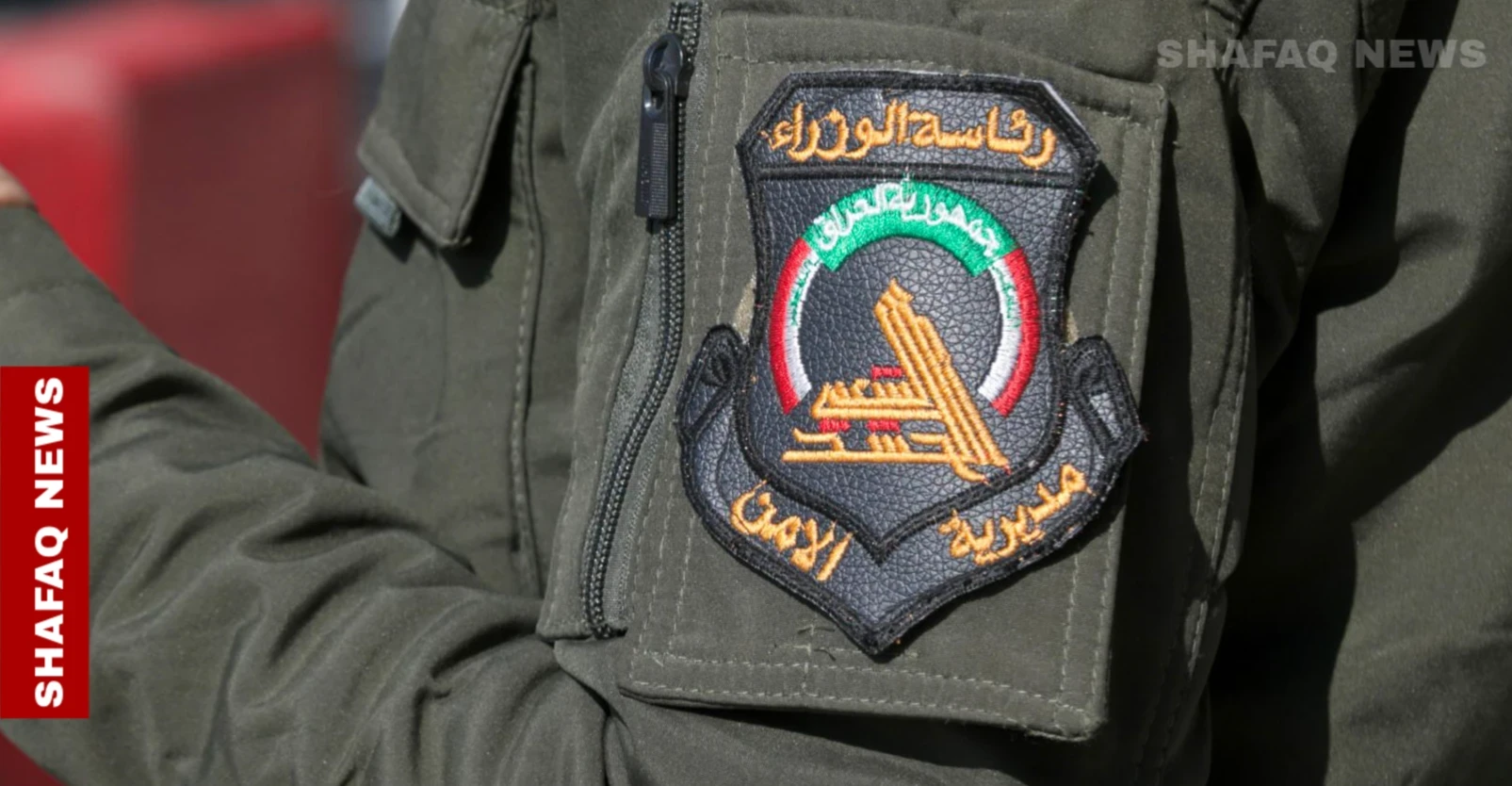
Iraqi Prime Minister Ali al-Zaidi is poised to present a revised legislative package related to the Popular Mobilization Forces (PMF) upon his return from the United States. This initiative is drawing significant attention and holds various implications for Iraq’s military structure and governance.
Overview of the Legislative Package
The legislative package consists of two key draft laws. One focuses on restructuring the PMF Commission, while the other addresses service and retirement regulations for PMF personnel. These drafts have gone through analysis and feedback from various parliamentary blocs and political entities to ensure that they address concerns raised during discussions. The modifications aim to improve the governance of the PMF, making it more aligned with contemporary political and military needs.
Amendments and Key Provisions
An important detail that still requires revision involves the legal retirement age for the PMF chairman and the conditions under which their tenure can be extended. The current draft stipulates that the decision to either extend or retire the chairman lies with the Commander-in-Chief of the Armed Forces—an authority currently held by the prime minister. However, upcoming amendments are expected to allow the prime minister to offer a single extension of up to two years to the chairman, with no options for further renewal. This change is significant as it provides a more defined structure for leadership stability and accountability within the PMF.
Moreover, there seems to be broad political consensus surrounding the designation of the PMF chairman, potentially granting this role the status of a minister without portfolio. Importantly, while these changes are being proposed, the official name of the PMF Commission will remain unchanged.
Political Implications and Legislative Process
Following the recent alterations in the drafts, these bills are nearing submission to the parliament. Certain contentious provisions that faced opposition— notably a “US veto”—have been removed. Once the revised bills are submitted, they will enter a formal legislative process, which is anticipated to prompt extensive debates on their content and implications. The goal is to ensure that the PMF operates efficiently while addressing concerns regarding its integration within the country’s military framework.
Recent discussions involving members of parliament’s Security and Defense Committee indicate that lawmakers are eagerly awaiting the final version of the legislation. The prime minister has assured them that it will be forwarded to parliament as soon as the necessary revisions are finalized. This situation underlines the careful navigation required in balancing military readiness and political considerations, especially within the context of Iraq’s complex landscape.
In conclusion, the prospective amendments to the PMF legislation represent a pivotal moment for Iraq’s military governance. By addressing both structural and leadership issues, the Iraqi government aims to enhance the operational effectiveness of the PMF while maintaining alignment with broader political objectives. As these developments unfold, all eyes will be on parliament to see how the legislation progresses and what impact it will have on the future of Iraq’s forces.