
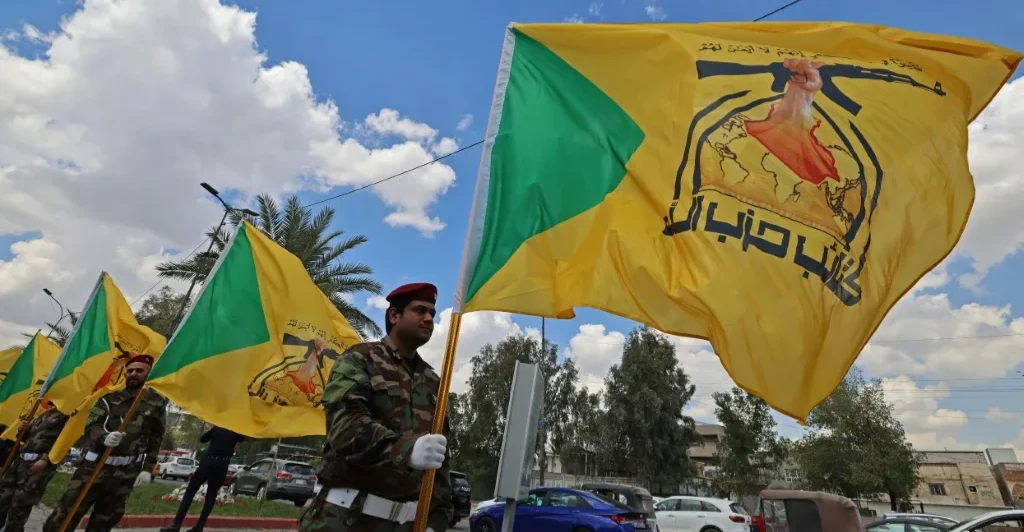
The recent accusations by U.S. Secretary of State Marco Rubio regarding the attacks on Saudi Arabia’s oil pipeline have sparked significant geopolitical discussions. This situation not only impacts the relations between the U.S. and Iraq but also highlights the ongoing tensions in the region involving Iran-aligned factions.
U.S. Accusations Against Kataib Hezbollah
In a recent interview with Fox News, Secretary Rubio identified Kataib Hezbollah as responsible for the strike that led to the shutdown of one of Saudi Arabia’s primary oil pipelines. He condemned the group for allegedly targeting Saudi Arabia and reiterated the U.S.’s commitment to uphold its defense agreements with the Kingdom. The actions of Kataib Hezbollah, a faction tightly aligned with Iran, are viewed as provocative, reflecting the volatile nature of Middle Eastern politics.
Since 2009, the U.S. government has designated Kataib Hezbollah as a Foreign Terrorist Organization and a Specially Designated Global Terrorist entity. Earlier this month, the U.S. expanded sanctions against the group as part of Operation Economic Outcast, aimed at disrupting financial networks associated with Iran and its Islamic Revolutionary Guard Corps (IRGC). This campaign underscores Washington’s strategy to deter Iranian influence in Iraq and surrounding areas.
Incident Overview and Fallout
The attack, which occurred on September 11, involved drones launched from Iraq that targeted Saudi Arabia’s East-West pipeline. This incident resulted in injuries and significant damage. Following an investigation, Iraqi officials traced the drone’s launch points back to the Maysan province. In response, Prime Minister Ali Al-Zaidi initiated disciplinary actions by removing key military leaders from their positions. While the pipeline has since resumed operations, it is now functioning at a reduced capacity, indicating ongoing vulnerabilities in the region’s energy infrastructure.
The Islamic Resistance in Iraq, a coalition of Iran-backed armed groups, publicly denied involvement in these attacks. In their response, they framed the accusations as a deliberate attempt to shift focus away from Saudi Arabia’s military struggles in Yemen. As of now, no faction has openly claimed responsibility for the attack, leaving many experts speculating on the motives and implications for regional security.
The Broader Implications for U.S.-Iraqi Relations
These events carry significant implications for U.S.-Iraq relations and wider regional stability. The U.S. has made substantial investments in fostering a cooperative relationship with Iraq since the fall of Saddam Hussein. However, incidents like these can strain ties, particularly if U.S. interests are perceived to be under direct threat from Iraqi factions. It raises questions about Iraq’s capabilities in controlling Iranian influence within its borders, especially as some factions operate independently of the Iraqi government.
Looking ahead, the U.S. commitment to its allies in the Middle East will undoubtedly face scrutiny as it navigates complexities arising from these incidents. Strengthening defense agreements and consolidating intelligence cooperation could be key strategies for ensuring regional stability. As tensions continue to escalate, monitoring the actions and responses of both Iran-aligned factions and U.S. policymakers will be critical in understanding the future landscape of Middle Eastern geopolitics.