
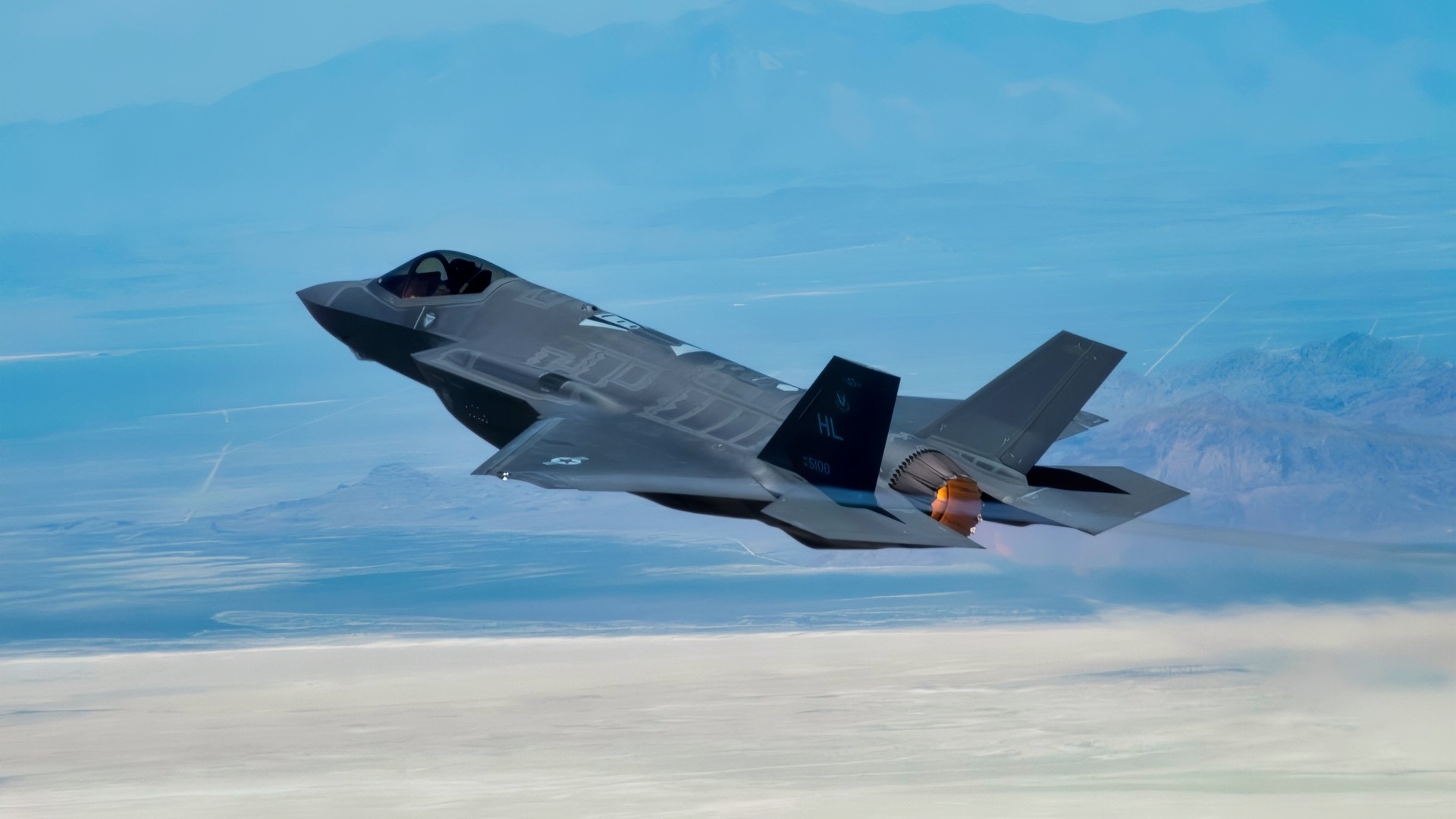
The U.S. Department of State announced on September 17 that it has authorized a potential foreign military sale to Saudi Arabia, allowing the Kingdom to purchase F-35 Lightning II Joint Strike Fighters along with supporting equipment. This substantial agreement, estimated to be worth approximately $24 billion, signifies Saudi Arabia’s commitment to bolstering its military capabilities in the face of ongoing security threats in the Middle East.
### Importance of the F-35 Deal for Saudi Arabia
Saudi Arabia has been a long-time client of U.S. military technology, consistently acquiring advanced equipment. While this partnership has provided numerous advantages, recent developments, especially in Yemen, have exposed vulnerabilities. Since entering the Yemen conflict in 2015, Saudi forces have struggled to make significant headway against the Iranian-backed Houthi movement. The ongoing situation raises questions about the effectiveness of traditional military equipment, making the acquisition of F-35s essential for modernizing the Saudi Air Force and enhancing operational capabilities.
The F-35 is particularly important for improving Saudi Arabia’s air defense system. Currently, Saudi Arabia operates a fleet primarily consisting of older F-15s, and integrating fifth-generation fighters like the F-35 would offer a distinct technological advantage. This upgrade not only aligns with Saudi Arabia’s ambition to enhance its military stature but also supports its strategic initiatives in a complex geopolitical landscape.
### Challenges and Hurdles to the F-35 Acquisition
However, several challenges may impede the F-35 deal from moving forward. The delivery timeline for the aircraft is lengthy, leading to uncertainties about when Saudi Arabia would actually receive these advanced systems. Other nations in the region, such as Turkey and the UAE, have encountered hurdles in securing their own F-35 acquisitions for various political reasons. For instance, Turkey was removed from the F-35 program due to its purchase of the Russian S-400 missile system, while the UAE recently opted for French Rafale jets instead.
Moreover, potential concerns from U.S. lawmakers pose additional roadblocks. Notably, the transfer of such sophisticated military technology to Saudi Arabia has raised alarms regarding the potential for technology leakage to adversarial states like China, which has formed its own strategic partnership with the Kingdom. Lawmakers in Washington are closely monitoring this agreement, weighing the implications for both domestic and international security.
### The Role of Israel in the F-35 Debate
Another significant factor influencing the F-35 deal is Israel’s stance. As the first country to operationalize the F-35 in combat, Israel has a vested interest in maintaining its military superiority in the region. If Saudi Arabia successfully moves forward with its acquisition, Israel may demand access to even more advanced U.S. military systems to offset the balance. The historical context of Israeli-Saudi relations further complicates the matter, as any advancements in Saudi military capabilities could be seen as a direct challenge.
From Israel’s perspective, the ongoing assessment of the strategic landscape in the Middle East is crucial. They have effectively utilized F-35s in various operations, underscoring their importance for national security. Thus, the potential for Saudi Arabia to join the F-35 user group requires careful consideration, with ramifications for the larger regional stability equation.
### Geopolitical Implications of the F-35 Sale
The looming question is how this deal affects the broader geopolitical dynamics in the Middle East. Recent conflicts in the region have highlighted vulnerabilities, particularly concerning Iran’s aggressive stance. U.S. military positions are evolving, and as American forces withdraw from Iraq, the potential exposure increases for nations like Saudi Arabia. Acquiring F-35s would theoretically enhance not only Saudi Arabia’s defense posture but also create opportunities for collaboration with U.S. armed forces.
Furthermore, the need for interoperability among allies is becoming increasingly relevant, especially as regional tensions fluctuate. Effective air defense systems are paramount for maintaining peace and stability, as evidenced by the Saudi Kingdom’s ongoing tensions with Iranian-backed militias. The strengthening of Saudi air capabilities could serve as a deterrent against future threats.
In summary, securing the F-35 deal represents not just an operational upgrade for Saudi Arabia, but also a significant step in addressing the evolving threats within the region.