
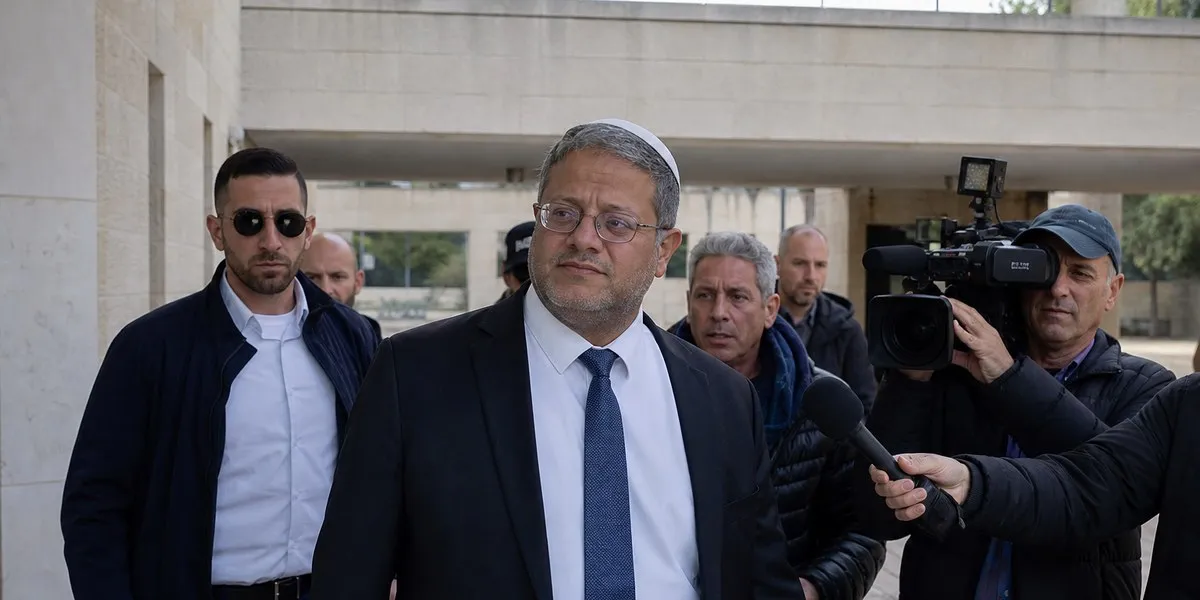
Israeli National Security Minister Itamar Ben-Gvir has publicly endorsed the death penalty for what he terms terrorists, specifically referencing the individual accused of murdering Netanel Chkrun in Neve Tzuf. This statement is part of a broader discussion on how to effectively combat terrorism in Israel.
Ben-Gvir’s Stance on Terrorism
Ben-Gvir believes that a robust deterrent is essential for tackling the threat of terrorism. He argues that the implementation of the death penalty could serve as a crucial element in this strategy. By positioning the gallows as a part of a comprehensive approach to changing how terrorism is dealt with, he encourages stronger measures against those involved in such acts. He further mentioned that Prime Minister Benjamin Netanyahu backs his stance, lending greater weight to this controversial proposal.
Netanyahu’s Response to Recent Violence
In light of escalating violence, including a recent shooting and an attempted vehicle-ramming near Jenin, Netanyahu reaffirmed his commitment to ensuring that all individuals involved in terrorist activities face repercussions. He articulated that Israeli security forces are actively pursuing the perpetrators of the attack in Binyamin, emphasizing that no terrorist or their accomplices will evade justice. In his remarks, Netanyahu also highlighted that the Israeli government intends to hold accountable those connected to acts of violence in Gaza, Lebanon, and the West Bank, asserting a zero-tolerance policy toward terrorism.
This renewed focus on punitive measures reflects a growing sentiment within Israeli leadership to adopt tougher tactics in response to threats. The proposed death penalty could potentially ignite further debate over human rights and legal implications, making it a contentious topic within Israeli society.
As Israel grapples with ongoing security challenges, the conversations surrounding deterrence and accountability continue to evolve. The government’s approach, which now includes the consideration of capital punishment, signals a significant shift in how authorities perceive and respond to terrorism. It remains to be seen how these policies will influence the broader legal landscape and the ongoing dialogue surrounding security and human rights.
In conclusion, the strong statements from Ben-Gvir and Netanyahu underscore a decisive stance against terrorism, reflecting an increasingly hardline approach in Israeli security policy. Their advocacy for the death penalty raises numerous questions about the future of legal repercussions for terrorism and its implications for Israeli society at large.