
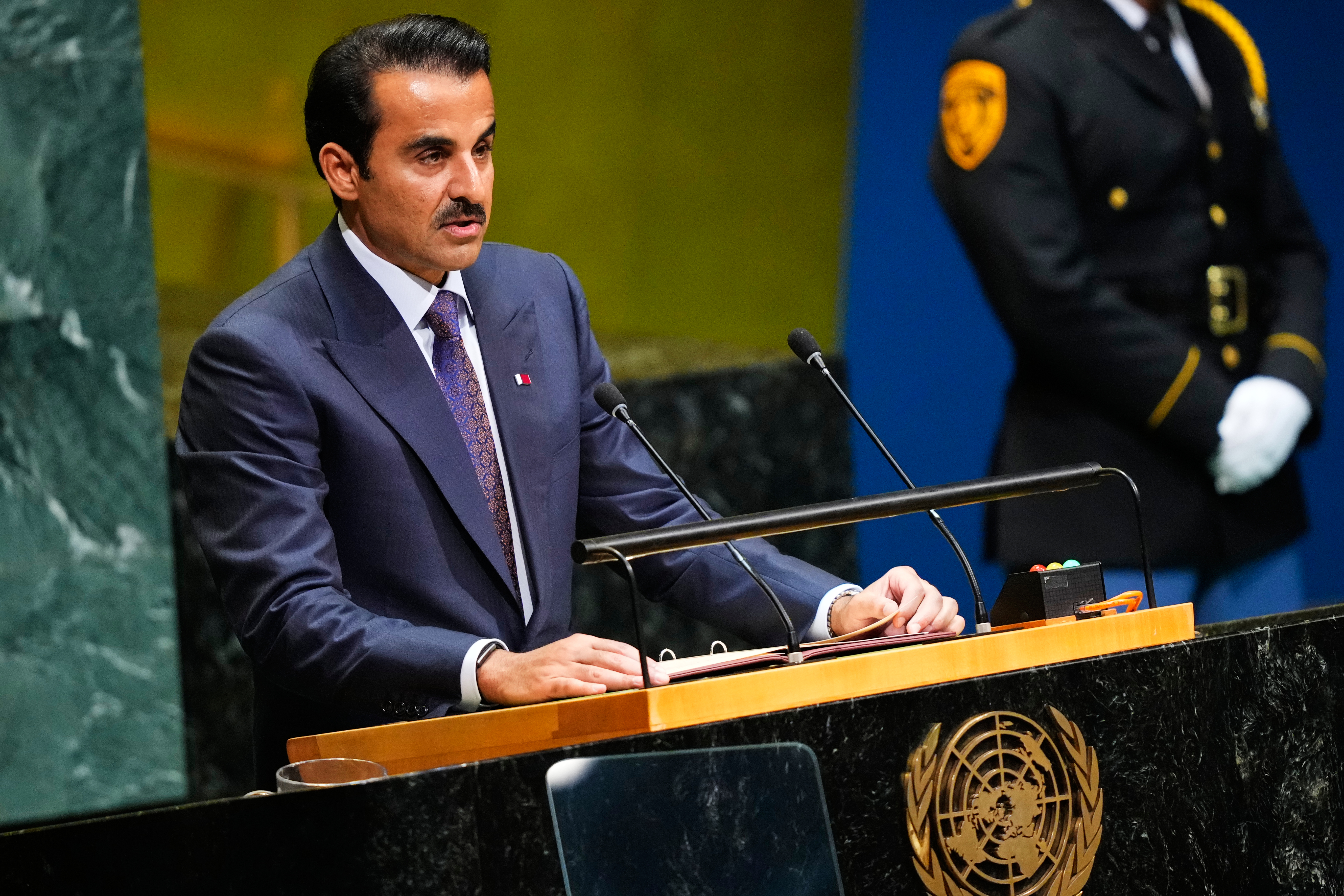
Qatar’s Emir has emphasized that the Middle East is currently experiencing one of its most perilous periods. With rising tensions, geopolitical instability, and ongoing conflicts, the region faces significant challenges that demand urgent attention and collective action from global leaders.
The Current Landscape of Middle Eastern Conflicts
Tensions in the Middle East have heightened over recent years due to unresolved disputes, clashes over territory, and the emergence of extremist groups. Conflicts in Syria, Yemen, and ongoing issues between Israel and Palestine have created a complex web of instability. Experts emphasize that these continuous struggles not only threaten regional peace but also have global repercussions, affecting international security and economic conditions worldwide.
The Role of International Cooperation
Addressing these challenges requires robust international partnerships. Qatar’s Emir underscored the importance of collective diplomatic efforts from countries worldwide. Shared efforts can facilitate dialogue, foster understanding, and ultimately lead to lasting resolutions. Within this framework, countries must seek to collaborate on initiatives promoting peace and economic stability, a vital undertaking in light of the region’s precarious condition.
The Implications for Global Peace
The instability in the Middle East has far-reaching consequences that extend beyond regional borders. Nations globally must remain vigilant about the ripple effects—a rise in migratory pressures, disruptions in oil supply chains, and an increase in extremist sentiments. Failure to address these concerns could result in protracted global insecurity, prompting urgent calls for proactive measures from the international community.
Qatar’s Vision for Peace and Stability
Qatar has positioned itself as a mediator and advocate for peace in the region. The Emir has called for initiatives that foster dialogue among conflicting parties. By promoting understanding and collaboration, Qatar aims to be part of the solution to enduring crises. The Emir’s vision aligns with a broader goal of achieving a stable, peaceful future for all nations within the Middle East, serving as a model for unity and cooperative governance.
In conclusion, as the Middle East grapples with unprecedented challenges, the role of nations, particularly Qatar, is crucial in navigating these turbulent times. Global leaders must come together to prioritize peace-building and significantly address the complexities affecting the region. Only through sustained dialogue and cooperative efforts can lasting solutions be reached, ensuring a more secure future for the entire world.