
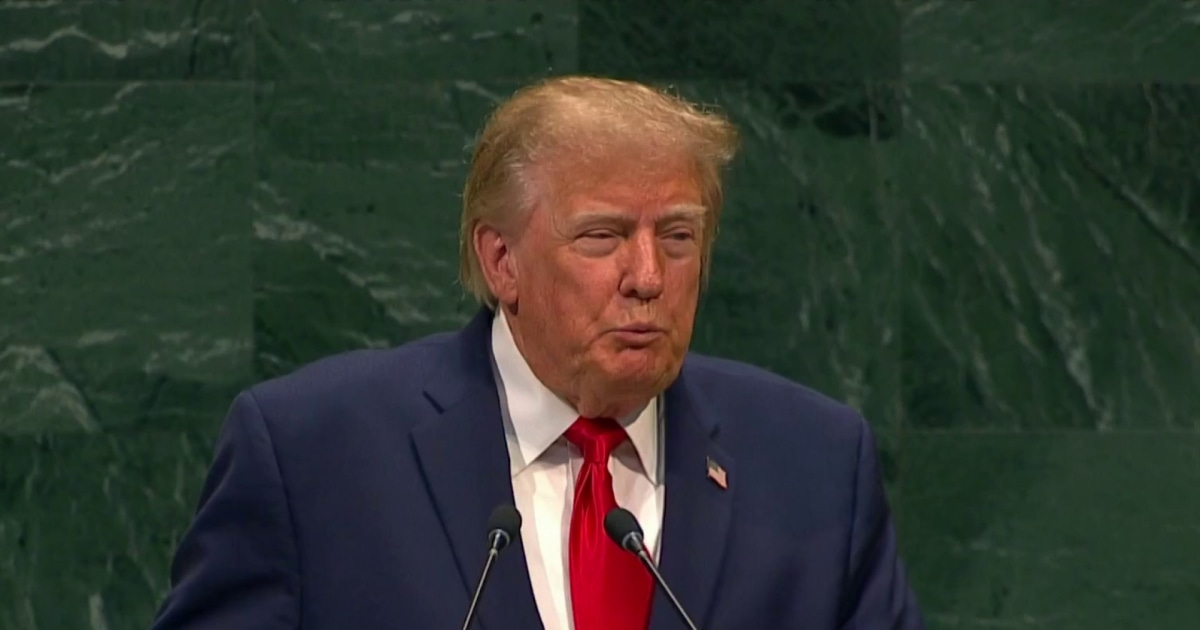
Understanding Recent U.S.-Iran Meetings
In the context of ongoing global political dynamics, the recent discussions between U.S. negotiators and Iranian officials have sparked considerable interest. President Trump has made headlines by emphasizing his stance on either striking a deal with Iran or taking a more aggressive approach. This article explores the implications of these negotiations and contextualizes them within broader geopolitical trends.
Insights from the U.S.-Iran Negotiations
The discussions primarily focus on a range of topics, including nuclear agreements and sanctions impacting both countries. Observers note that President Trump’s assertion about “annihilating” Iran if necessary has raised concerns among global leaders about potential escalation. These negotiations are not merely bilateral; they have ramifications across various international fronts, affecting alliances and local stability in the Middle East.
The U.S. seeks to ensure that Iran remains compliant with previous nuclear commitments, while Iran has called for the lifting of sanctions that have imposed significant challenges on its economy. The outcomes of these dialogues could reshape not only U.S.-Iran relations but also the broader regional dynamics in the Middle East.
The Impact on Global Politics
As the U.S. pursues its diplomatic strategy, the international community remains watchful. Allies in Europe and Asia are particularly attentive, knowing that any drastic measures taken by the U.S. could influence their own security and foreign policies. A movement towards détente could lead to more stability in the region, while a breakdown of dialogue may exacerbate tensions already present.
The ramifications of these discussions extend well beyond Iran’s borders. Countries like Israel, Saudi Arabia, and several Gulf nations have a vested interest in the conversation as they navigate their relationships with both Iran and the U.S. The stakes couldn’t be higher; an agreement could pave the way for improved economic ties, while failure could lead to renewed hostilities.
Future Outlook for U.S.-Iran Relations
Looking ahead, the trajectory of U.S.-Iran relations hinges on both diplomatic efforts and domestic pressures within each nation. The U.S. administration faces challenges in balancing the opinions of Congress, international allies, and public sentiment regarding Iran. Similarly, Iranian leadership needs to address internal dissent while presenting a united front in discussions with the U.S.
As these negotiations continue, the outcomes will play a crucial role in determining the future of not just bilateral relations but also the overall geopolitical landscape. Whether through diplomacy or conflict, the way these issues unfold will likely resonate on the global stage for years to come.
In summary, the recent meetings between U.S. negotiators and Iranian officials serve as a pivotal moment in international relations. The world will be watching closely, as the decisions made today will shape the interactions of tomorrow.