
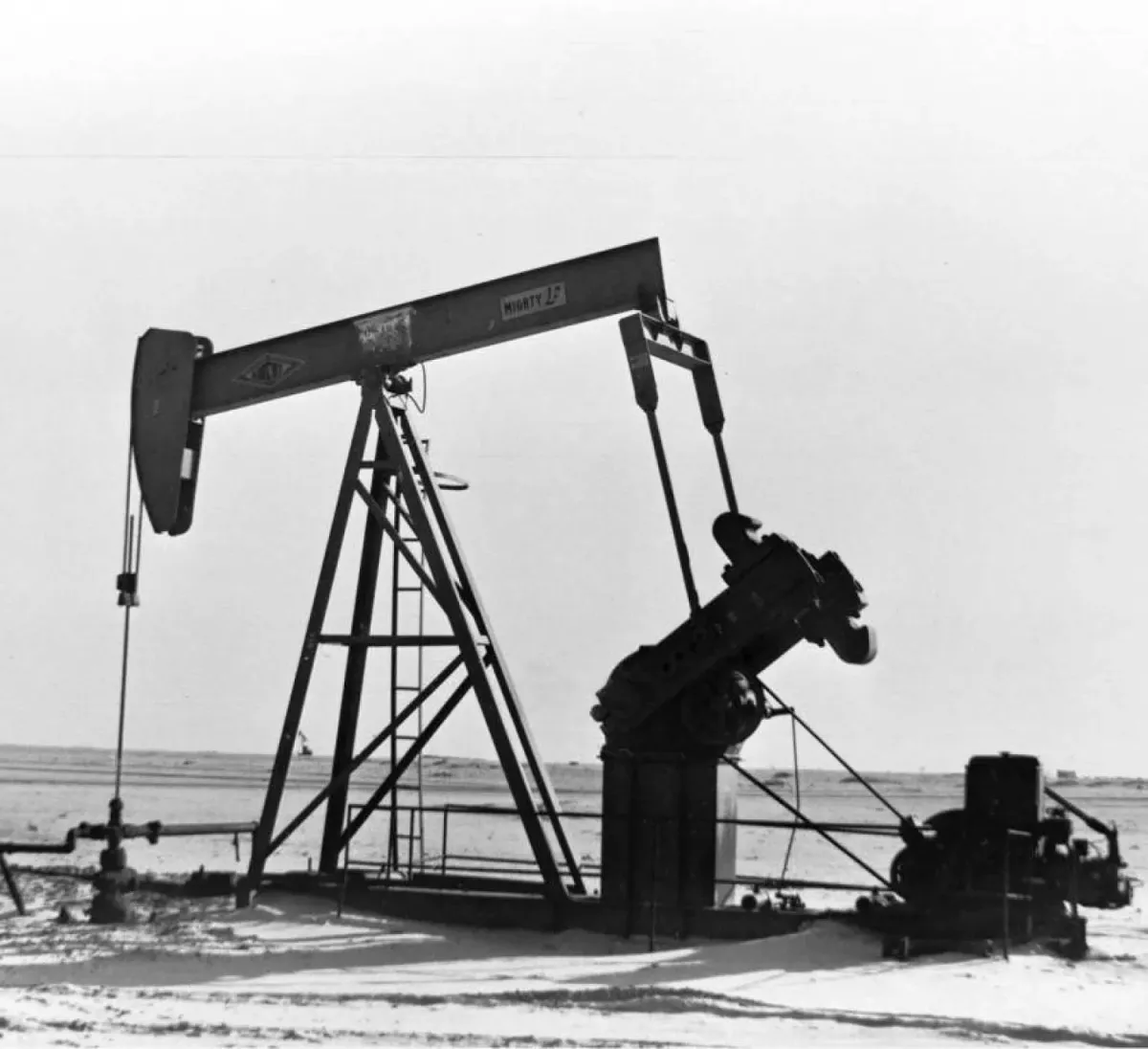
Saudi Arabia is redefining its energy landscape, transitioning from a reliance on oil to a multifaceted approach that includes renewable energies and nuclear ambitions. This evolution follows a storied past rooted in the discovery of oil in Dammam Well No. 7 in 1938, which marked a turning point in the Kingdom’s economic development and set the stage for future innovations.
The Birth of an Oil Economy
The story of Saudi Arabia’s energy journey began with the unification of the nation in the early 1930s, leading to the discovery of commercial oil in Dammam Well No. 7, famously referred to as the “Well of Prosperity.” This pivotal discovery fueled an unprecedented economic transformation, paving the way for infrastructure development, including roads, cities, and new job opportunities. As the country celebrates its 96th National Day, it reflects on how oil has shaped its history while also looking at the expansion towards renewable energy sources and nuclear power.
Geologist Max Steineke’s steadfast belief in the potential of the well eventually led to productive drilling. This industrial growth required a myriad of services, stimulating a local labor market and fostering skills in modern industries. Over decades, these developments empowered Saudis, contributing to a wealth of expertise and enhancing the country’s ability to manage its oil resources efficiently.
Adapting to Challenges
Saudi Arabia’s energy sector has continually evolved, particularly marked by the government’s full ownership of Aramco in 1980 and the subsequent establishment of the Saudi Arabian Oil Company in 1988. These changes began a new era of autonomous management over the Kingdom’s resources, enabling the growth of related industries, including refining and engineering. As production capabilities expanded, so did the need for educational institutions that supported practical research and vocational training, thereby accumulating expertise essential for modernization.
The importance of robust infrastructure became apparent during the 2026 conflict with Iran, where shipping routes faced disruptions. The Kingdom’s reliance on multiple export routes demonstrated the practicality of its investment in alternative facilities, particularly in Yanbu, which allowed for a significant volume of crude oil exports despite external pressures. The diverse range of export options not only kept the economy afloat but also showcased the resilience of its energy sector.
Towards Renewable Energy and Nuclear Power
Simultaneously, the Kingdom is making strides towards diversifying its energy portfolio. In July 2025, agreements for solar and wind projects were announced, marking a significant investment that aims to generate half of the nation’s electricity from renewable sources by 2030. This diversification encourages local enterprise participation, ensuring that economic growth is sustainable and inclusive of domestic talent.
Nuclear energy also figures prominently in Saudi Arabia’s long-term energy strategy. To tap into low-carbon electricity generation, the Kingdom is forming a partnership with the International Atomic Energy Agency to lay the groundwork for a peaceful nuclear program. This venture is not merely about energy production; it encompasses essential components like regulation, expertise, and waste management.
Building Partnerships for Future Growth
The relationship between Saudi Arabia and the United States has been pivotal in this energy evolution. High-level meetings resulting in a nuclear cooperation agreement reflect a commitment to sharing knowledge and technology that can bolster Saudi capabilities. This collaboration goes beyond mere treaties; it is about building an infrastructure capable of transforming agreements into actionable projects.
In conclusion, Saudi Arabia’s energy narrative encompasses a remarkable journey from the “Well of Prosperity” to a future anchored in diversification and sustainability. As it navigates new energy avenues, the Kingdom will continue to invest in its human capital, ensuring that the skills and expertise gained throughout its history are preserved for future generations. Embracing this multifaceted energy strategy serves not only to bolster the economy but also positions the Kingdom as a resilient player in the global energy market.