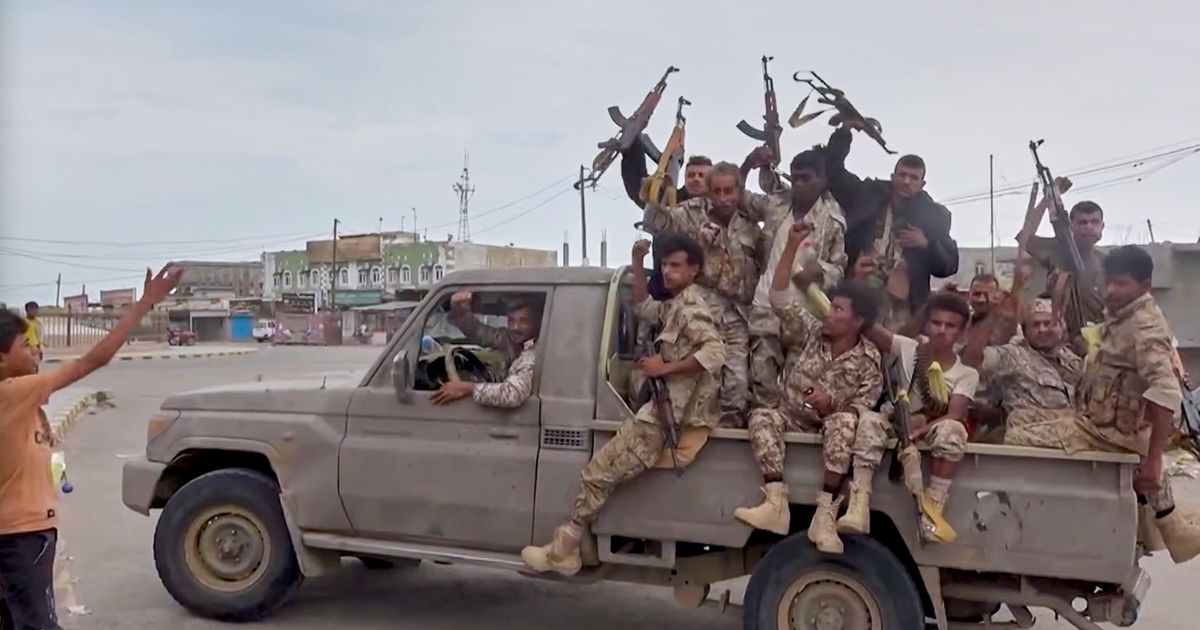
Yemen has witnessed a dramatic escalation in conflict as Houthi rebels swiftly captured a significant portion of the Red Sea coast from pro-government forces. This rapid advance not only solidifies the Houthis’ strategic position but raises serious concerns among U.S. allies in the region, particularly Saudi Arabia. The involvement of Iranian Revolutionary Guard advisers reveals the depth of foreign intervention in Yemen’s ongoing civil war, which has persisted since 2014.
Iran’s Role in Empowering the Houthis
The recent Houthi offensive was significantly bolstered by support from Iranian military advisors who provided tactical guidance on the battlefield. This marks Iran’s most direct involvement in Yemen since the civil war began, underscoring Tehran’s commitment to fortifying its ally. The Houthis, having previously been sidelined, launched a comprehensive 115-kilometer (75-mile) counteroffensive that took advantage of divisions within the pro-government forces, significantly disrupting their operations. Reports indicate that the Houthis managed to infiltrate the communications systems of their opponents, enabling them to track movements and create chaos within pro-government ranks.
The strategic importance of this advancement cannot be overstated. In addition to capturing critical territory, the Houthis weakened Saudi Arabia’s oil-export capacities by closing a vital pipeline, which could lead to increased global fuel prices. The United States has appeared hesitant to extend significant military support to its ally Saudi Arabia in this critical moment, further complicating the regional power balance and benefitting Iran.
Internal Strife Among Pro-Government Forces
The division among pro-government forces, particularly the National Resistance group, which initially boasted around 30,000 troops, severely hampered their ability to mount an effective defense against the Houthi surge. Without coordinated efforts and a unified military command, infighting and miscommunication led to a swift loss of position. The Giants Brigade, another militia, provided temporary support but failed to align strategically, leading to further disarray. This lack of unity, rooted in historical rivalries and geopolitical influences like those of Saudi Arabia and the United Arab Emirates, ultimately created what one military official described as a “priceless opportunity” for the Houthis to capitalize on.
The Houthi campaign met with minimal resistance, further highlighting weaknesses in the pro-government response. Abandoning the strategic city of Mokha caused panic among residents and troops alike, as thousands fled from the impending Houthi assault. Eyewitness accounts describe a chaotic retreat, with pro-government fighters scrambling to escape the city with little organization or leadership.
Consequences and Future Dynamics
As Yemeni forces assess their losses, including an estimated 500 fighters, the ramifications of the Houthi victory extend beyond immediate territorial gains. Captured military equipment further empowers the Houthis, complicating the battlefield landscape for pro-government forces attempting to regroup. Blame for the defeat is already circulating among different factions, exacerbating internal divisions and indicating challenges for any future unified response against the Houthis.
While some government officials express disbelief over the lack of Saudi air support during the Houthi advance, the situation is evolving rapidly. The Houthis are reportedly fortifying their newly acquired territories, preparing for any potential counterattacks. This conflict serves as a reminder of the lasting complexities in Yemen, where foreign interventions and internal strife create a vicious cycle of violence. As one military leader declared, losing control of the West Coast may be just the beginning of a new, intensified confrontation in Yemen’s ongoing battle for power.