
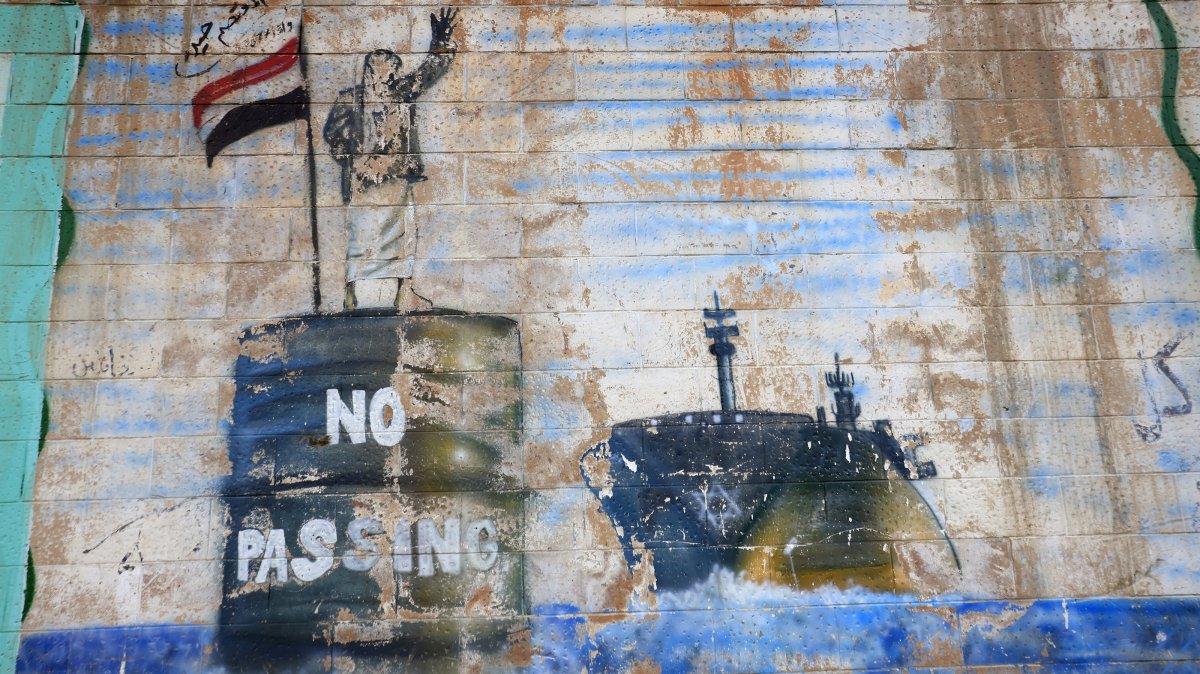
The escalating dynamics of the Yemen conflict are increasingly centered on the Iran-backed Houthis’ ambition to control the entire Red Sea coastline, a strategic move in their quest for dominance over the Bab al-Mandeb Strait. This waterway is one of the busiest maritime chokepoints globally, making its control a critical factor in geopolitical power plays.
The Houthis’ Strategic Objectives
The Houthis have recently declared a naval blockade on Saudi Arabia, effectively challenging the security of the world’s largest oil exporter. Securing the Bab al-Mandeb Strait would significantly disrupt Gulf oil producers’ shipping routes, isolating them from the crucial maritime pathways necessary for their economic stability. Recently, the Houthis intensified their attacks on Riyadh, shifting their focus from previous targets like Israel. This shift seems to align with the broader Saudi-Iranian rivalry, especially following a period of improved ties between Saudi Arabia and Iran.
This oscillation between aggression and restraint might seem perplexing within the context of Yemen. However, when viewed as part of Iran’s extensive proxy network, their tactics become clearer. The Houthis now utilize advanced weaponry like missiles and drones, enabling them to strike distant Saudi infrastructure and regional maritime traffic at minimal costs. Their control over coastal areas and Perim Island adds a new layer to their operational capacity, making them a formidable force.
The Regional and Global Implications
The ramifications of the Houthis’ advances have manifested locally, as evidenced by Riyadh’s decision to shut down the East-West pipeline amidst continuous drone attacks. Cities like Jizan and Abha remain perpetually on high alert, and from Iran’s vantage point, this operation serves multiple purposes. It enhances Iran’s leverage over energy flows without expanding its military footprint and heightens the political stakes for U.S. interventions against Tehran. This situation underscores Iran’s capability to impact global oil prices significantly.
Furthermore, the move diminishes Saudi Arabia’s position in the region, exacerbating fractures within the Gulf Cooperation Council (GCC). Iran’s strategy has effectively redistributed the conflict’s financial burdens, placing the heaviest toll on Saudi Arabia while decreasing the UAE’s previous involvement. This has provoked tensions, with the UAE now indirectly blaming Riyadh for losing ground to the Houthis, which complicates their diplomatic relations.
The Challenges for Regional Alliances
The Houthis’ recent maneuvers also pose a significant test for the Mecca Defense Alliance, which is primarily a coalition aimed at countering Iranian influence and securing regional stability. Instead of facing an external threat, this alliance is grappling with internal challenges prompted by Iranian-backed advances. Saudi Arabia now finds itself confronting threats from multiple fronts, including the Houthis to the south, Iraqi militias to the north, and Iran to the east. This multilayered conflict risks overwhelming the Mecca Defense Alliance and could spur nations like Pakistan and Turkey to reconsider their alliances.
Although Saudi Arabia has sought to de-escalate tensions, the aggressive posture of the Houthis, as directed by Iran, could provoke the neighboring states to rally against Tehran. Ironically, despite initiating wider hostilities, Iran has notably refrained from targeting Israel, a report highlighting an apparent acknowledgment of Israel’s military capabilities.
As U.S. officials engage with Houthi representatives in unpublicized talks, questions loom over the strategic direction of U.S. policy toward Yemen. The Trump administration had previously classified the Houthis as a terrorist organization but continues to explore negotiations. With the Houthis controlling critical ports and maritime routes, their role becomes increasingly vital in the complex fabric of regional diplomacy.
The Bab al-Mandeb Strait holds immense global significance, facilitating approximately 7% of the world’s oil production. Should this waterway fall entirely under Houthi control, it would grant Iran unprecedented leverage in its ongoing confrontations with the U.S., exacerbating existing tensions and potentially igniting new crises within global markets. The outcome hinges on whether the Houthis can maintain their territorial gains against a concerted push from Saudi Arabia and its allies, making this a pivotal moment in the enduring saga of Yemen’s tumultuous conflict.