
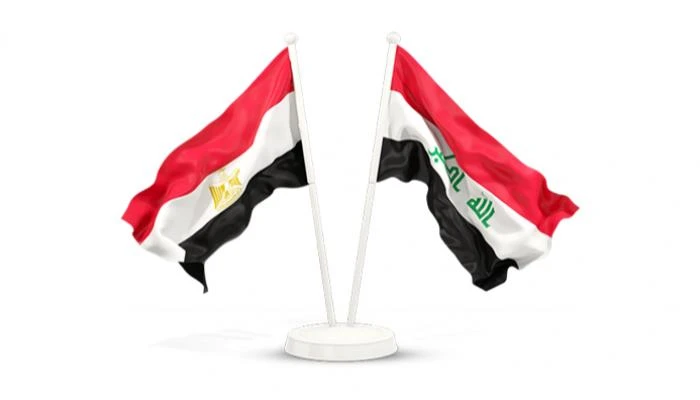
Egypt has recently seen a significant increase in its exports to Iraq, marking an important shift in trade relations. According to the Central Agency for Public Mobilization and Statistics in Egypt, exports rose to approximately $122 million in the second quarter of 2026, up from $118 million in the first quarter. This growth of around $4 million or 3.4% reflects a strengthening of economic ties between the two nations.
Key Export Categories
During this period, plastic pipes, hoses, and fittings emerged as the leading commodities, driving exports to Iraq at an estimated value of $17 million. This category alone illustrates the robust demand for essential infrastructure materials in the Iraqi market. Following closely behind were screens, projectors, and television receivers, contributing approximately $12 million to the overall export figures. Such electronic goods play a crucial role in the entertainment and information sectors, highlighting the diversification of Egypt’s exports.
Other Notable Exports
The data also showcases that furniture and its parts accounted for about $10 million in exports to Iraq. This indicates a growing interest in Egyptian craftsmanship and design, appealing to Iraqi consumers who are increasingly investing in home décor. Additionally, aromatic mixtures, which reached around $5 million, underscore the cultural ties and preferences shared between the two nations.
Furthermore, pharmaceuticals contributed $5.7 million to the export total, emphasizing Egypt’s role as a key player in the healthcare market within the region. Sanitary towels and similar hygiene products, valued at $3.9 million, reflect a growing awareness and demand for personal hygiene products among Iraqi consumers.
Implications for Future Trade
This upward trend in exports signals not only economic growth for both countries but also suggests potential for further collaboration in various sectors. Egypt’s ability to provide a diverse range of products positions it favorably in the Iraqi market. With a backdrop of increasing demand for goods and services, both nations could benefit from fostering stronger trade agreements and partnerships.
The burgeoning relationship between Egypt and Iraq serves as a testament to the potential that exists within regional trade. As both economies continue to develop, it is likely that mutual interests will create more opportunities for cooperations and expansion in various sectors, ultimately benefiting businesses and consumers alike.
In conclusion, the increase in exports signals a promising trajectory for economic interactions between Egypt and Iraq. By capitalizing on their respective strengths and addressing each other’s needs, both countries can lay the groundwork for sustained growth and development in trade relations.