
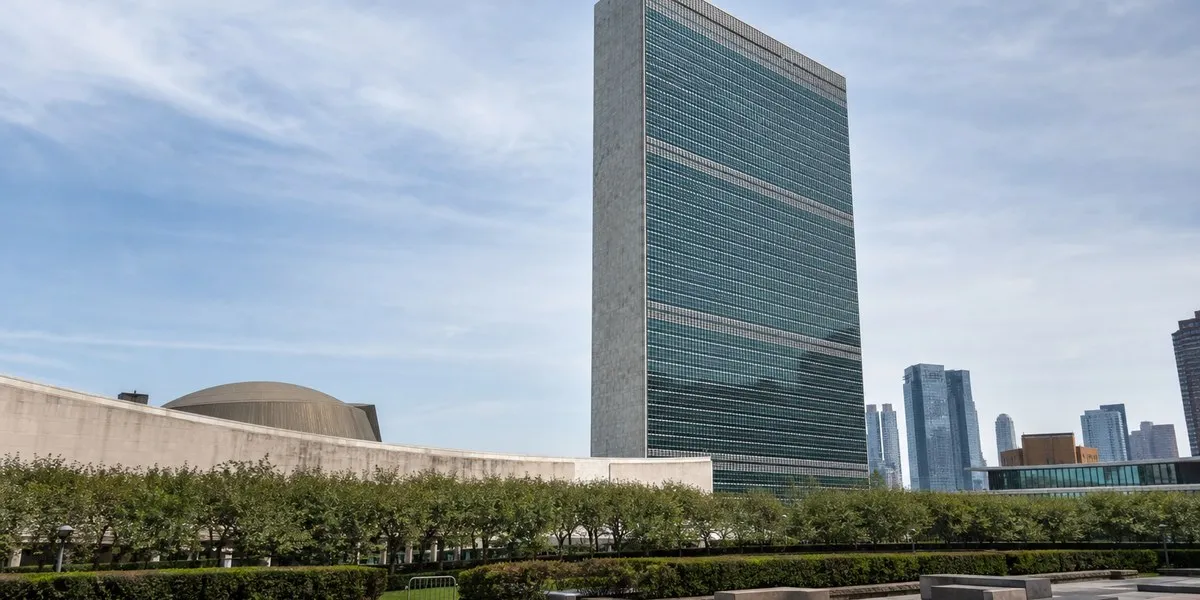
Pakistan’s Prime Minister Shehbaz Sharif recently announced in New York that the country is committed to facilitating the de-escalation of tensions between the United States and Iran. Speaking at the 81st session of the UN General Assembly, he emphasized Pakistan’s role as a mediator in these ongoing conflicts.
Pakistan’s Role as a Mediator
Sharif identified Pakistan as a genuine mediator in the relationship between Iran and the United States, highlighting its geographical proximity to Iran and the critical importance of regional stability. He expressed optimism regarding potential advances in reducing tensions, emphasizing that Islamabad remains hopeful.
During his address, Sharif referenced a memorandum of understanding previously signed involving Iranian President Masoud Pezeshkian and former U.S. President Donald Trump. He pointed to the document, which was intended to foster dialogue, but lamented that subsequent events had led to unpredictable developments in these international relations.
Recent Agreements and Diplomatic Efforts
Following the escalation between the United States and Israel against Iran beginning on February 28, 2023, Pakistan acted swiftly to mediate efforts. On April 8, the country facilitated a ceasefire that was critical for stabilizing the situation. Additionally, Pakistan hosted extensive talks in Islamabad, lasting more than 20 hours, between U.S. and Iranian officials as they sought to find common ground.
Moreover, Pakistan, along with Qatar, played a pivotal role in finalizing the Islamabad memorandum on June 18. This framework aimed to set a timeline of 60 days for further negotiations towards a long-term solution to the conflict. Despite these efforts, aggressive exchanges resumed between the involved parties. Recently, indirect talks have also taken place during the UN General Assembly, indicating that dialogue continues even amid underlying tensions.
Sharif’s insistence on Pakistan’s commitment to being an honest broker in these discussions reflects Islamabad’s strategic interest in maintaining regional peace and stability. As these diplomatic initiatives unfold, the international community watches closely, hoping for effective resolutions that will ultimately benefit all parties involved.